Data centers
The rapid growth of electricity-hungry data centers is pushing the development of new energy generation and transmission capacity that could put key lands at risk of development.
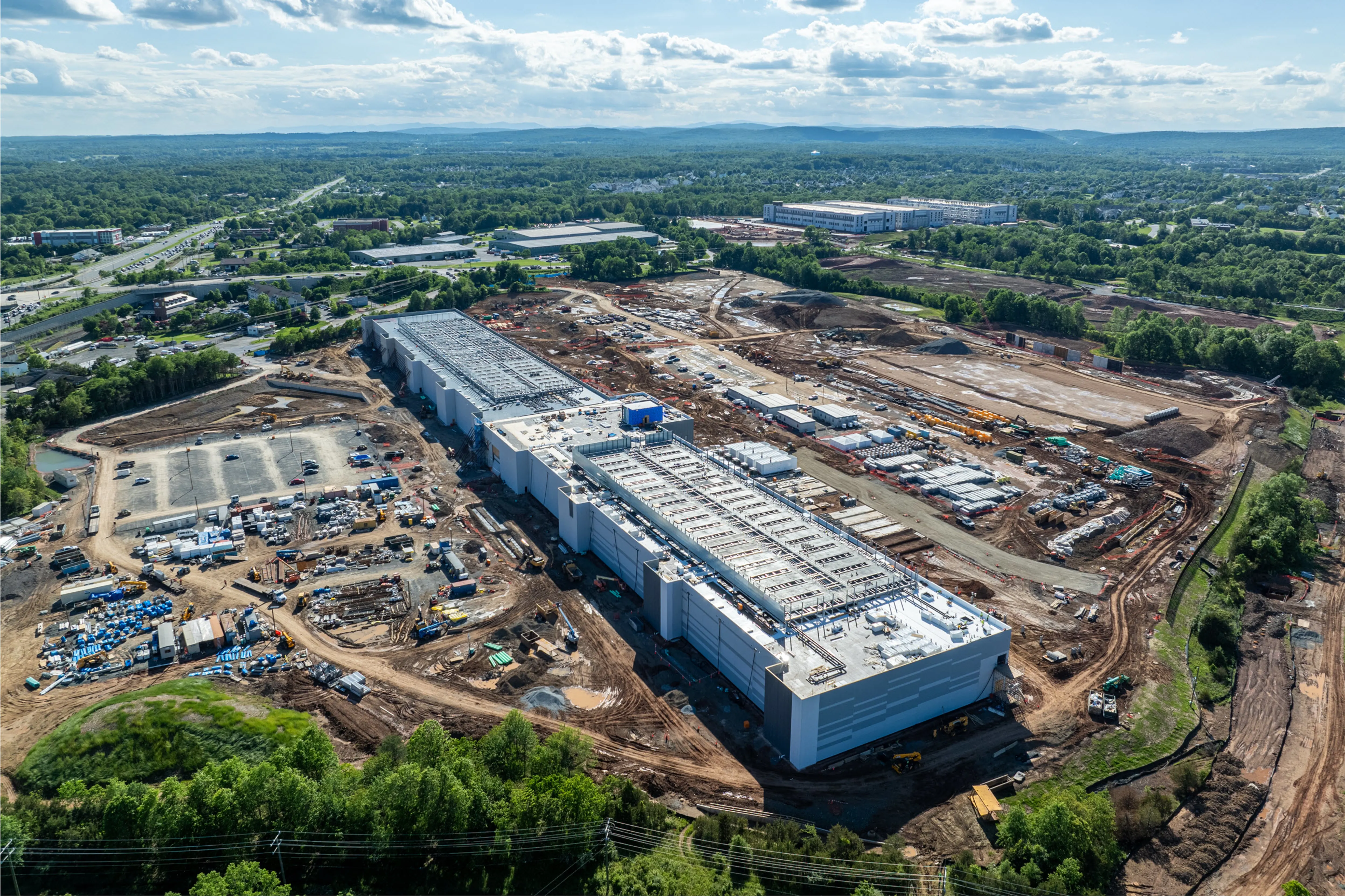
Data centers are networks of computer processors that form a key part of the physical infrastructure supporting cloud storage, end-user connectivity and other digital functions. Perhaps most significantly, data centers are a driving force in the ongoing expansion of artificial intelligence (AI).
AI-specialized data centers cluster processors closer together to accelerate communications. Large AI data centers are referred to as “hyperscale.” These facilities require an enormous amount of electricity and water to power and cool the processors. While a conventional data center can use the same amount of electricity as up to 25,000 households, one hyperscale data center can use as much as 100,000 homes.
Data centers are projected to consume 6.7% to 12% of total U.S. electricity by 2028. On a state or local level, that percentage could be dramatically higher. To meet skyrocketing energy needs, industry and utilities must invest significantly in new energy generation and transmission capacity.
Government support for data centers
Across the U.S., state and county lawmakers actively seek to attract new data centers with incentives such as tax breaks and streamlined permitting processes.
At the federal level, the Speed to Power initiative aims to accelerate multi-gigawatt grid infrastructure projects that will enable U.S. leadership in AI. In the early stage of Speed to Power, the Department of Energy gathered stakeholder input on how to best utilize its funding programs and authorities to rapidly expand energy generation and transmission grid capacity.
Land trusts can bring conservation into data center permitting discussions. By applying the mitigation hierarchy, land trusts can help decision-makers avoid, minimize and mitigate — so that accelerated development doesn’t entail irresponsible siting.
Policy and advocacy considerations for land trusts
Land trusts can specifically advocate for measures to reduce the impacts and need for new energy infrastructure such as:
Explicit protections for already conserved lands and lands with high conservation or agricultural values
Prioritizing renewable energy over fossil fuels
Incentivizing use of microgrids, virtual power plants and other innovations to increase grid reliability and resilience while lowering energy usage and land-use impacts
Increasing the capacity of existing transmission lines through measures such as reconductoring
Requiring the co-location of renewable energy generation on site with large energy users
Requiring energy- and water-efficient technologies to the greatest extent possible
Ensuring that the costs of siting and building data centers and associated energy infrastructure are not passed to consumers
Providing for robust outreach and engagement to impacted communities during the permitting process