In 2002, the Land Trust Alliance, in partnership with the New York State Department of Environmental Conservation and the state’s land trust community, launched the New York State Conservation Partnership Program.
This innovative public-private partnership was designed to increase the pace of land protection by improving the organizational capacity of land trusts.
Today, after 20 rounds of grants totaling more than $31 million in support, New York land trusts are stronger, more resilient and more capable of partnering with the state to advance critical conservation goals.
Download a PDF of this report
About the New York State Department of Environmental Conservation
The New York State Department of Environmental Conservation’s mission is to conserve, improve and protect New York’s natural resources and environment and to prevent, abate and control water, land and air pollution, to enhance the health, safety and welfare of the people of the state and their overall economic and social well-being. DEC’s goal is to achieve this mission through the simultaneous pursuit of environmental quality, public health, economic prosperity and social well-being, including environmental justice and the empowerment of individuals to participate in environmental decisions that affect their lives.
About the Land Trust Alliance
Founded in 1982, the Land Trust Alliance provides the nation’s land trusts with the leadership and support they need to protect natural and working agricultural lands in perpetuity. Our 1,000 plus land trust and affiliate members include local and statewide land trusts, national conservation organizations, regional and state land trust associations, government agencies and professional service providers. Our services include education, legal defense, advocacy, communications, coaching, convening and grantmaking.


Supported by the people of New York through the Environmental Protection Fund and administered by the Land Trust Alliance in partnership with DEC, the CPP has enabled land trusts to conserve and manage working lands, create new parks and trails, steward wildlife habitats, protect community gardens and urban open spaces and build strong, authentic relationships with the communities they serve.
The ingenuity of the partnership lies in its ability to meet the needs of each party: The state has been able to achieve bold conservation goals, the Alliance has strengthened one of the largest land trust communities in the country and New York’s land trusts have evolved by accessing funds for capacity building that are often difficult for many organizations to raise. Its success is also a direct result of the intentional design for the program’s structure.
Rather than providing funding for land acquisitions, a strategy that the state has implemented in other grants programs, the CPP meets these needs by investing directly in land trusts themselves. The DEC and the Alliance together review grant applications and identify where tactical investments in organizations can yield the greatest impact. The Alliance, in turn, leverages its national perspective to couple grants with guidance, providing land trusts with accessible, flexible funding at an appropriate scale for their needs, as well as with the tools, expertise and training needed to grow into healthy, sustainable and impactful organizations.
Since the launch of the CPP in 2002, New York’s land trusts have conserved 1.4 million acres of farmland, wildlife habitats, recreational areas and urban open space — an increase of 346% — far exceeding what the state would have been able to achieve alone. The program’s success demonstrates that providing layered, thoughtful and flexible investments in land trust capacity results in more land and water conserved than providing funding for acquisitions alone. Moreover, the program has catalyzed a wide range of innovative conservation projects.
Celebrating 20 rounds of grantmaking of the Conservation Partnership Program is not just about acknowledging its achievements, but also about recognizing the strength of the collaboration between DEC and the Land Trust Alliance, a partnership forged through two decades of cooperation and mutual trust. In addition, the success of the CPP would not be possible without the ongoing support of the governor, the New York state legislature, the people of New York who have entrusted us with this important use of public funds and, most of all, those in the land trust community who have so eagerly, willingly and passionately taken this journey.
Achieving New York’s open space goals
The CPP has proven to be a good investment of public funds, helping the State of New York to achieve its conservation goals more effectively and efficiently. The program offers competitive matching grants to qualified New York land trusts to advance land conservation, economic development, farmland protection, community conservation and recreation and tourism.
Since 2002, the Conservation Partnership Program has awarded 1,208 grants totaling more than $31 million to 94 land trusts working across New York. What began as an initial investment of $250,000 for the program in 2002, has since grown to an annual appropriation of $3 million in the 2024-2025 state budget. As a testament to the outcomes of the program, the land trust community has leveraged CPP support with at least an additional $32 million in non-state sources.
Originally designed to support implementation of the New York Open Space Conservation Plan, the program has expanded in response to changing priorities for the state and the land trust movement as a whole. Additionally, the CPP has created a trusted, high-capacity network of land trust partners the state can rely on to help achieve broader conservation and stewardship goals.
“Saratoga PLAN is where it is today — a trusted, accredited land trust with an impressive record — due to the investments in staffing, marketing, IT, and projects that the Conservation Partnership Program has made over the years. Because of this partnership, Saratoga PLAN is able to help landowners, local municipalities and the state itself accomplish our shared conservation goals for farmland, water resources, wildlife habitats, woodlands, trails and climate resiliency.”

Strengthening the state’s land trust community
At its core, building capacity is about building relationships. The Land Trust Alliance serves as a key intermediary and collaborator in building the relationships between the state and land trust grantees that drive the Conservation Partnership Program.
In addition to administering CPP grants on behalf of DEC, the Alliance functions as the state association for the land trust community, as well as an advisor and convener. With support from the CPP, the Alliance hosts regular monthly peer-to-peer learning networks for executive directors and stewardship staff, regional roundtables to promote the CPP and discuss emerging issues, an annual state land conservation conference and targeted training for land trust staff and board members. As a national organization, the Alliance helps the New York land trust community regularly meet and exceed national standards, such as accreditation, ensuring this community is leading the country on best practices.
Through CPP-funded projects, the Alliance also provides the essential mentorship and troubleshooting role that enables land trusts to learn as they grow — a central strategy of the program. As a trusted partner to the community, the Alliance staff and contractors provide robust one-on-one technical assistance, offering guidance on the phases of an organization’s growth cycle and helping to match the right supports to each land trust’s unique challenges. Alliance staff lend their experience, knowledge and perspective, along with a variety of supportive services, to develop tailored strategies for each land trust, setting them on a path to operate at a more impactful scale and set bolder and more daring conservation goals in their communities. Providing this advisory role allows land trusts to come to the Alliance not just as a funder, but as a trusted collaborator to solve challenges, resulting in the program’s 98.5% success rate for grants.
The program’s five grant categories comprise its theory of layered investments: Land trusts receive “right-sized” support based on their needs, past successes and future goals. The broad range of funding allows them to build on previous grants by adding staff, developing new partnerships or piloting new programs, all in response to a growing organization’s needs. Additionally, by keeping the eligibility criteria broad, the CPP has created a source of funding that allows land trusts of all types and sizes to benefit, helping to expand the conservation community in New York.
Just as the program has grown in response to the state’s priorities, so too has the CPP adapted the funding categories to address the needs of the land trust community as well as emerging issues in land conservation, such as stewardship challenges on conserved properties, implementing new community-centered conservation programs, and exploring strategies to mitigate climate change through land preservation and restoration.
Conservation Partnership Program
Conservation Partnership Program Grant Categories

Genesee Land Trust
The journey taken by Genesee Land Trust over the past 20 years provides an excellent example of how the CPP has supported the evolution of New York’s land trust community.
Founded in 1989, Genesee Land Trust spent many of its formative years as a “traditional land trust,” focused on protecting large swathes of mostly rural open space and natural resources, like farmland, wetlands and wildlife habitat. However, in the early 2000s, GLT realized that to serve all of their constituents, it needed to increase the organization’s presence in urban areas, primarily the City of Rochester, a key part of its service area.
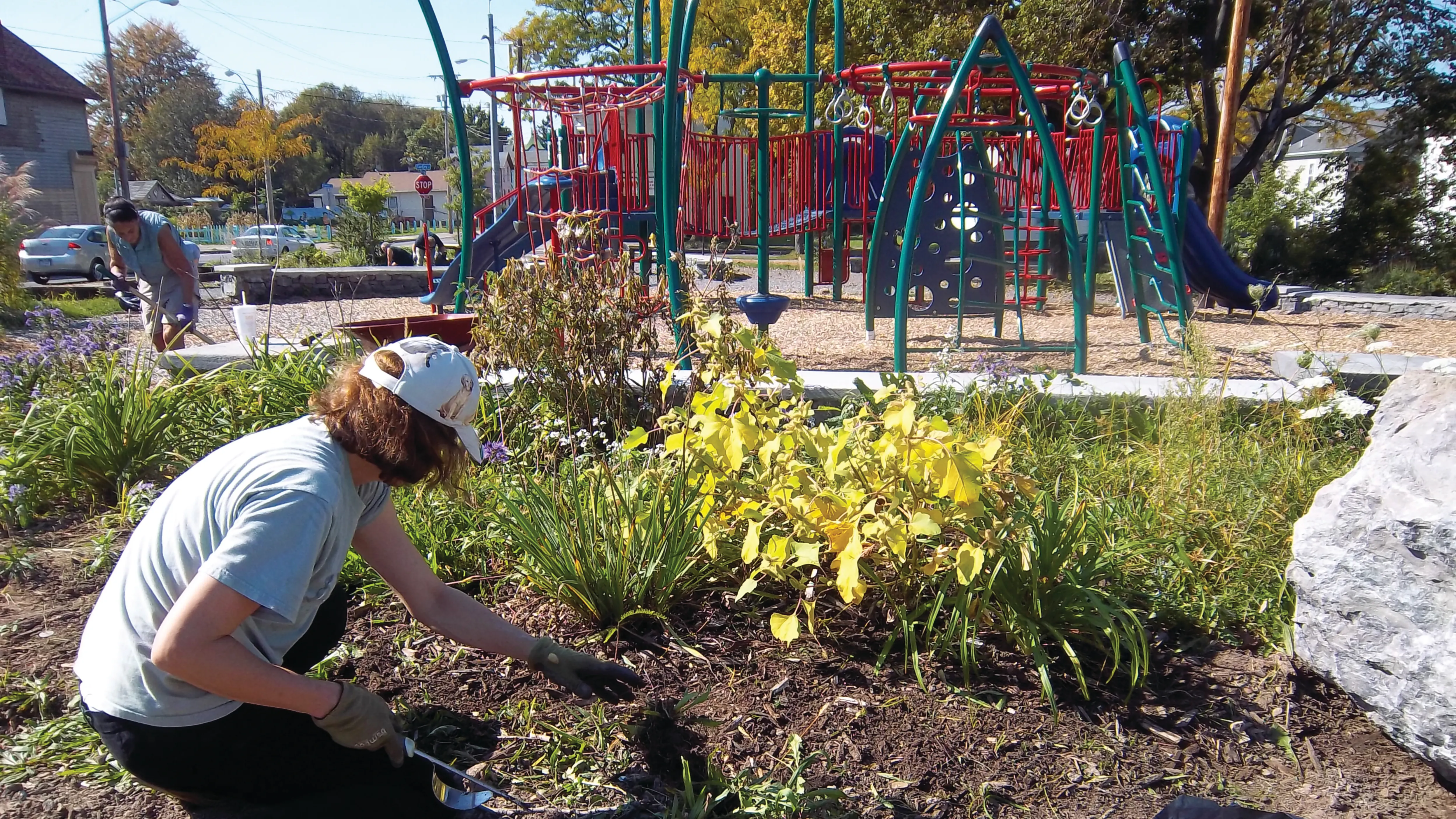


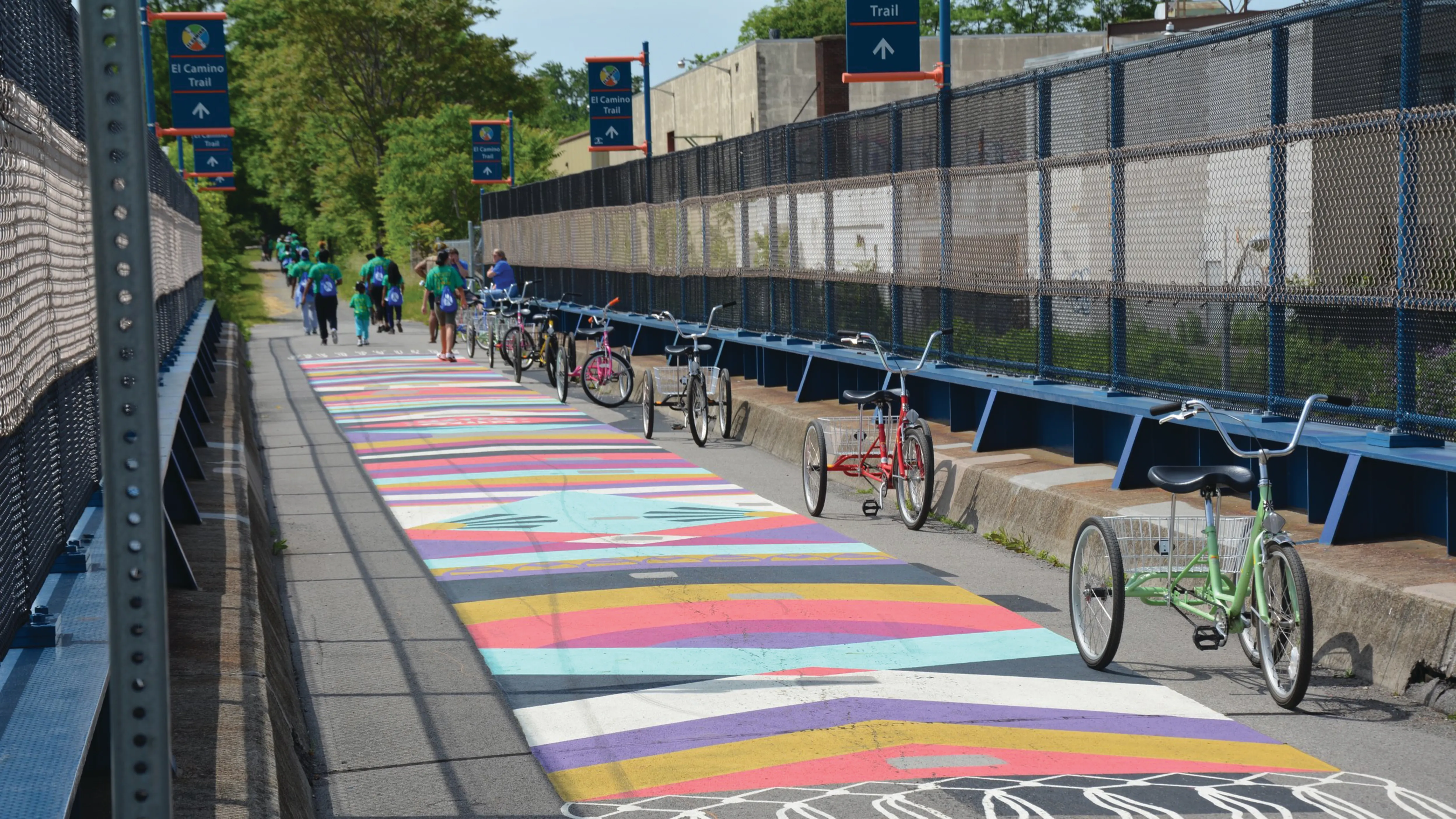
To accomplish this, GLT recognized that it needed community partners. They began by working with residents of the El Camino neighborhood in Rochester to transform an abandoned railroad track into the El Camino Trail and Conkey Corner Park. In 2012, both the trail and park were officially opened, and the land trust received a Capacity & Excellence grant from the CPP to help it continue to strengthen its relationships with local neighborhood groups and the City of Rochester.
Additional grant funds, including a 2015 Conservation Catalyst grant and a 2016 Capacity & Excellence grant, helped establish new after-school and youth programs. A new conservation apprenticeship program helped high school students build leadership skills by organizing community events such as art walks, bike programs, 5K races, block parties, festivals and volunteer workdays. These activities helped residents foster a shared ownership for the trail in their neighborhood.
Today, GLT protects land and water that enhance the quality of life for all those living in and visiting the Greater Rochester area. GLT’s programs provide opportunities for urban residents to explore protected lands outside the city and bring new visitors to the city’s urban green spaces. And what seemed like a novel concept 20 years ago, has now become a model for other land trusts looking to take a more inclusive approach to their conservation and stewardship.
Land trusts have leveraged Capacity & Excellence grants to complete operational projects that are themselves often difficult to fundraise for, but crucial to the long-term health and growth of the organization, including strategic plans, board development, and staff training. Capacity & Excellence grants help land trusts build and sustain organization capacity; prepare for leadership transitions (staff and board); investigate shared services or mergers; address climate change; create new diversity, equity and inclusion-focused programs; develop and enhance community services; and obtain and renew national accreditation. Today, there are a total of 45 accredited land trusts based in New York – more than any other state besides California!
Capacity & Excellence grants are the foundation of the CPP, and as such, are often the first category of grants awarded to first-time applicants.
“The CPP is a critical funding source for land trusts throughout the state to help build capacity and protect more important lands. Land trust work is vital to the economy and the environment of New York in so many ways and this funding is being leveraged to increase the impact that we have throughout the state.”

Building a strong foundation
Founded in 1992, Grassroots Gardens WNY began as an all-volunteer land trust working to turn vacant lands in the City of Buffalo into community gardens. Over the years, GGWNY has leveraged Capacity & Excellence grant funds to work on strategic planning, board and staff development, fundraising and communications. Capacity funds also supported the expansion of their service area to the City of Niagara, the development and implementation of new programs to better serve their community and ultimately, the distinction of becoming the first completely urban land trust in New York State to achieve accreditation.
Supporting smooth transitions
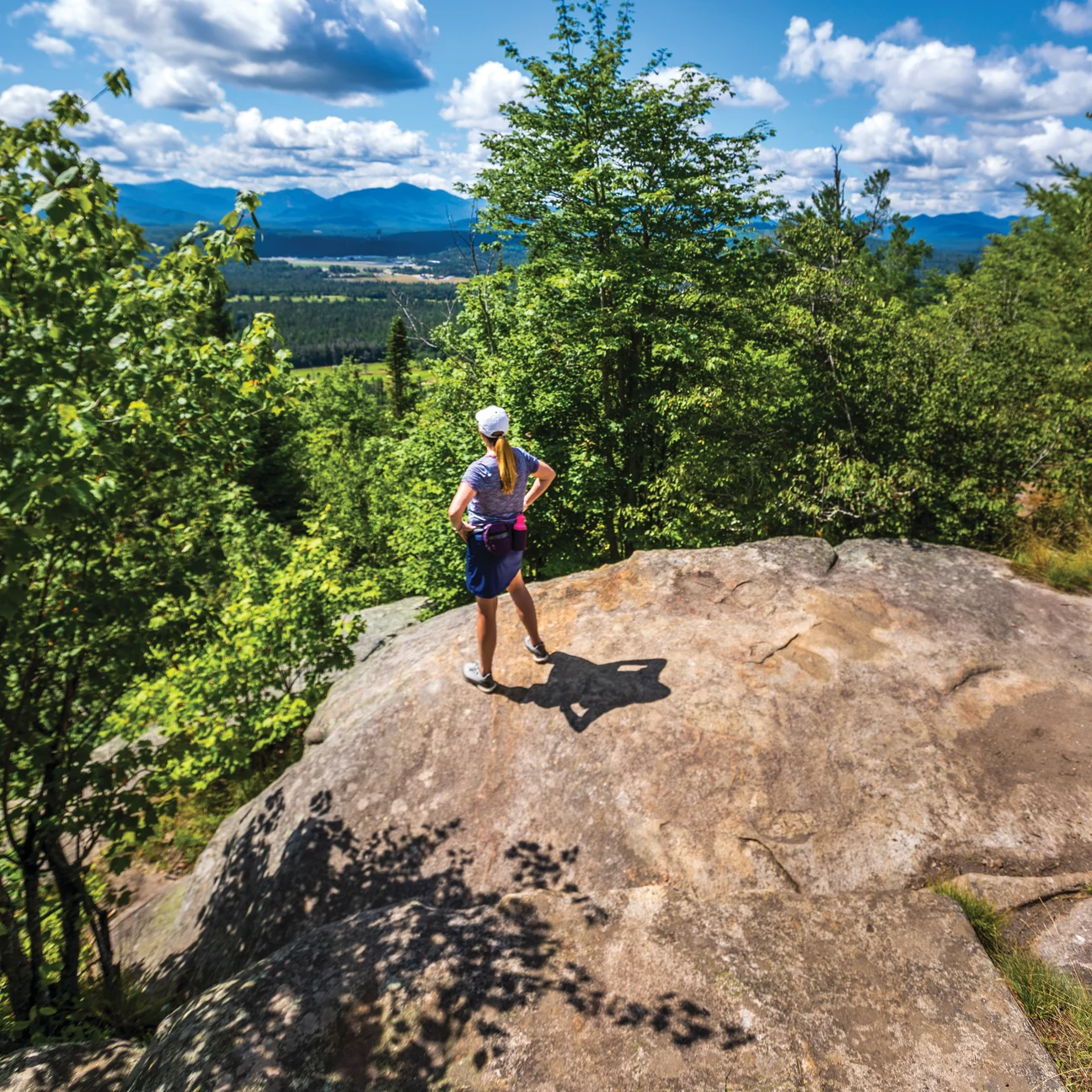
In 2020, the Lake Placid Land Conservancy approached the Adirondack Land Trust about merging after determining that as one organization they could have a much larger impact. In 2022, with the support of a Capacity & Excellence grant, these two accredited land trusts came together to align finances, conduct legal due diligence and manage donor and landowner relationships. This careful preparation resulted not only in the successful title transfer of all six of LPLC-protected conservation lands to ALT, but also an increase in support from private donors following the merger.
Photo by Carl Heilman, II/Wild Visions, Inc.
"Eighteen years ago, we had a two person staff working on donated conservation easements. Thanks to CPP grants, Hudson Highlands Land Trust is now a professional organization with nine staff that oversee complicated land transactions and major projects. We have doubled our conservation easement portfolio, and we own over 1000 acres of land where we engage the community and practice adaptive stewardship. We also work with partners to conserve thousands of acres across the Hudson Highlands. The CPP has been critical to HHLT's growth and our expanding service to our region."
Many organizations have utilized Conservation Catalyst grants to expand their engagement in local and regional partnerships and to launch community-centered conservation programs that foster connections between people and the environment.
Conservation Catalyst grants support projects that will “catalyze” conservation by encouraging collaboration and community engagement. To qualify for funding in this category, projects must have clearly defined outcomes and deliverables, involve a measure of innovation for the land trust, engage multiple partners and stakeholders and directly advance the land trust’s mission, strategic goals and programs.
“The Conservation Catalyst funding lived up to its name. The largest take away from the project has been that a defined effort – and a shared grant – is often necessary to bring project partners together in a formal, cohesive and concentrated way.”
Addressing climate change by protecting critically threatened habitat
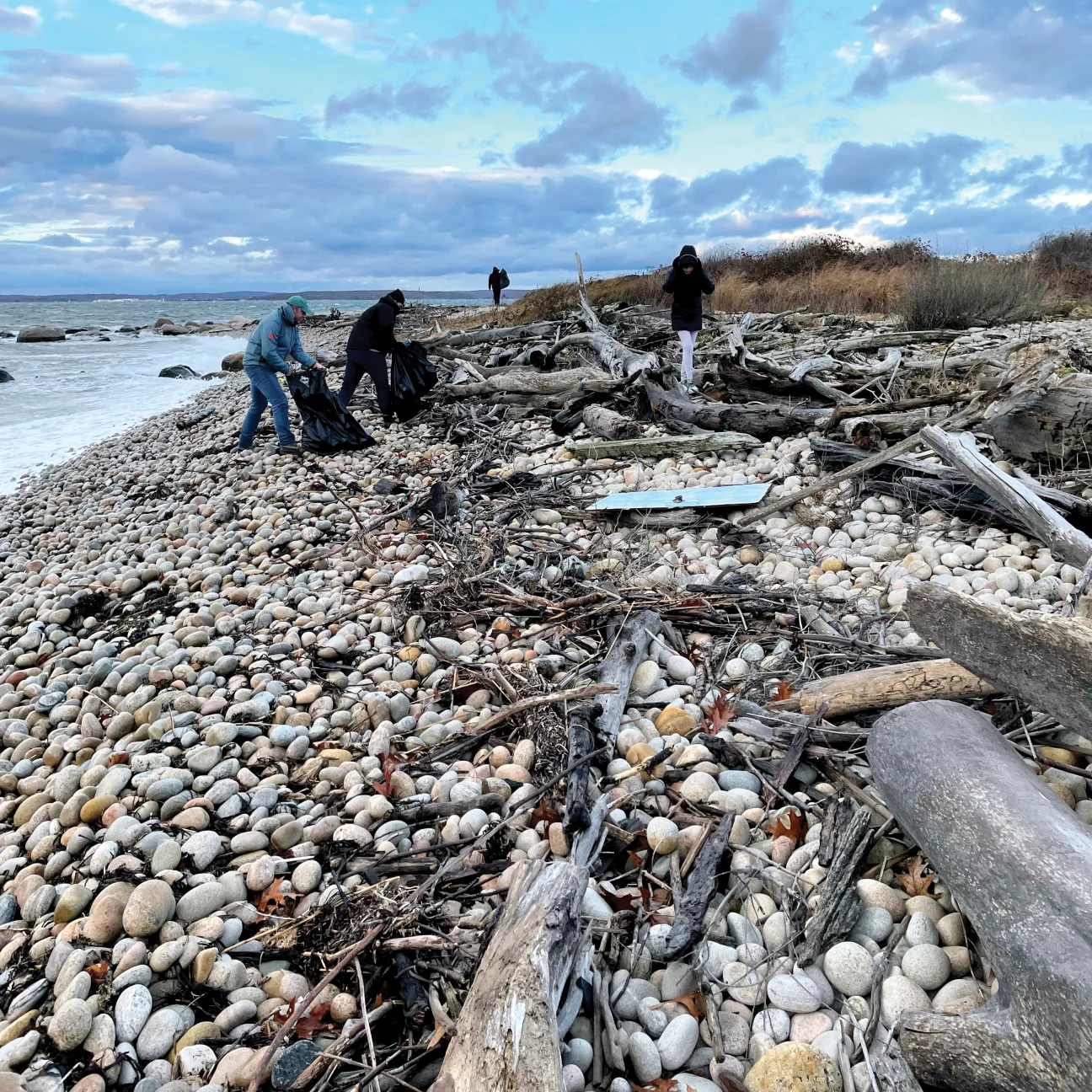
Fishers Island is located in Long Island Sound and is part of the Town of Southold (Suffolk County). The Henry L. Ferguson Museum was founded in 1960 and is responsible for preserving the island’s cultural heritage and natural resources, one of which is a rare aquatic community of seagrass. Seagrass, often confused with seaweed, provides habitat and food for various marine species and plays an important role in improving water quality and carbon sequestration. Unfortunately, this unique resource has been severely threatened and only about 10% remains. The Henry L. Ferguson Museum has taken advantage of more than $100,000 in Conservation Catalyst funding between 2018 – 2022 to work on seagrass management in partnership with The Nature Conservancy. CPP grants helped build a Fishers Island Seagrass Management coalition and develop and implement an island-wide management plan for seagrass, which included engaging the community through outreach, education and monitoring.
Supporting the next generation of farmers
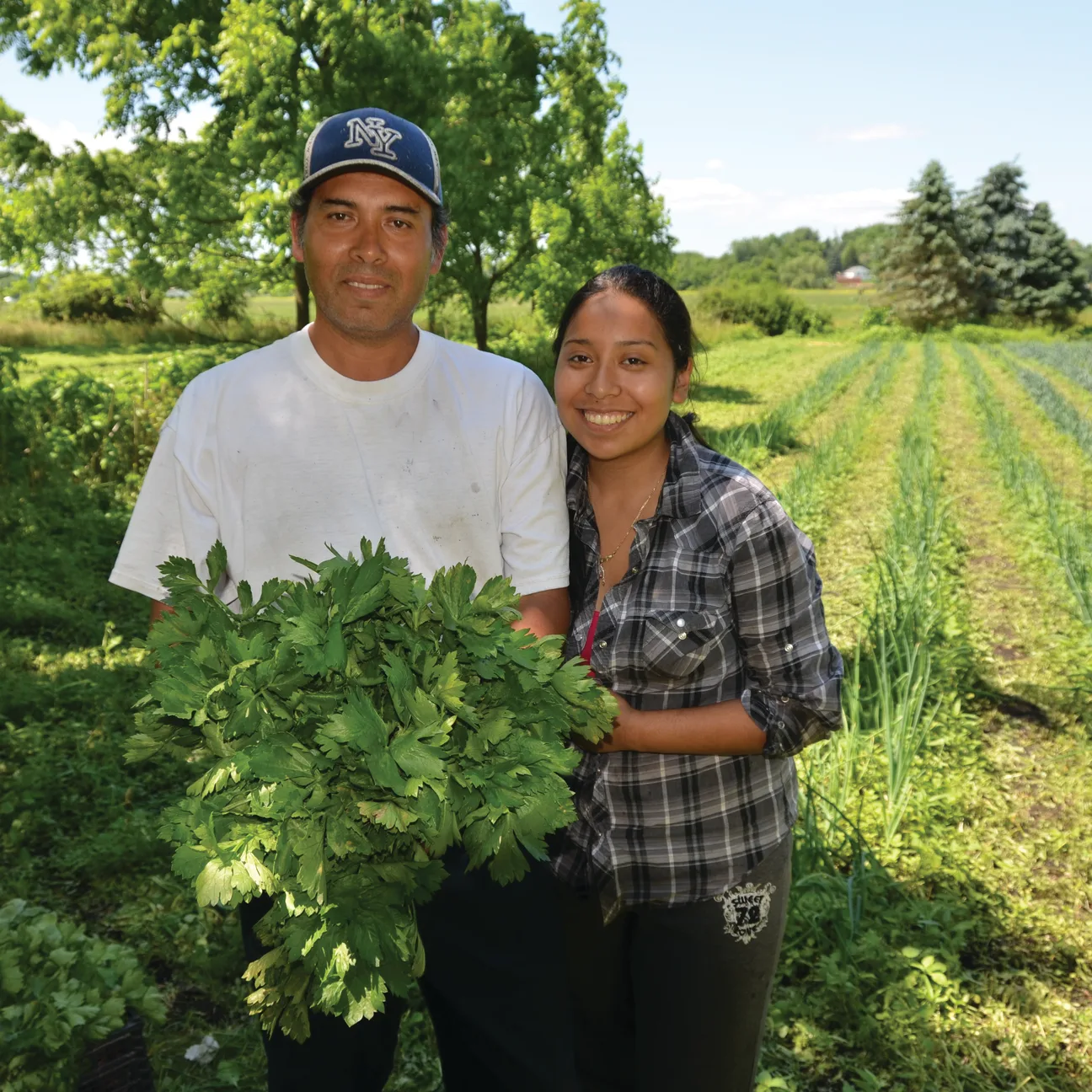
New York has a robust agricultural economy, but it has been jeopardized by the loss of farmland to development pressure and the aging of the farming community. Over the years, American Farmland Trust has found ways to leverage the CPP’s Catalyst grants to bring attention to the challenges faced by farmers and to develop new strategies and programs to make farming more accessible to a new generation. The Hudson Valley Farmlink Network, launched in 2013, was created to pair new farmers looking for land with retiring farmers looking to ensure their land remained in agricultural use. This model has since gone statewide and nationwide, and AFT continues to use CPP grants to provide resources to New York land trusts to better support connections between farmers and agricultural landowners.
Professional Development grants are the most competitive CPP grants and are intended to support the creation and/ or expansion of staff positions deemed necessary for the organization to significantly enhance its land conservation, stewardship, community outreach, education, research, climate change response, fundraising and/or administrative capabilities. Professional Development grants may be used for permanent full-time, part-time or seasonal employment.
“The Professional Development grant helped Otsego Land Trust make the jump to a much higher level of operation with the ability to model responsible stewardship and respond more directly to public interest in connecting with nature."

Seasonal solutions
One of the greatest needs for a land trust is having dedicated staff to provide ongoing stewardship of their properties. New York’s harsh winters, however, often mean stewardship is not always possible year-round, complicating land trusts’ ability to hire full-time staff. Recognizing this seasonal challenge, Mohawk Hudson Land Conservancy decided to try adding a seasonal Stewardship Associate to oversee its volunteers and other management activities. The seasonal Stewardship Associate position is a permanent member of the staff (not a term position or temporary position), but happens to work spring through fall. The CPP provided MHLC the pilot funding to test this approach, and now other land trusts have also received Professional Development grants to hire similar permanent seasonal positions.
Photo by Robert Stone.
Expanding staff to expand scale
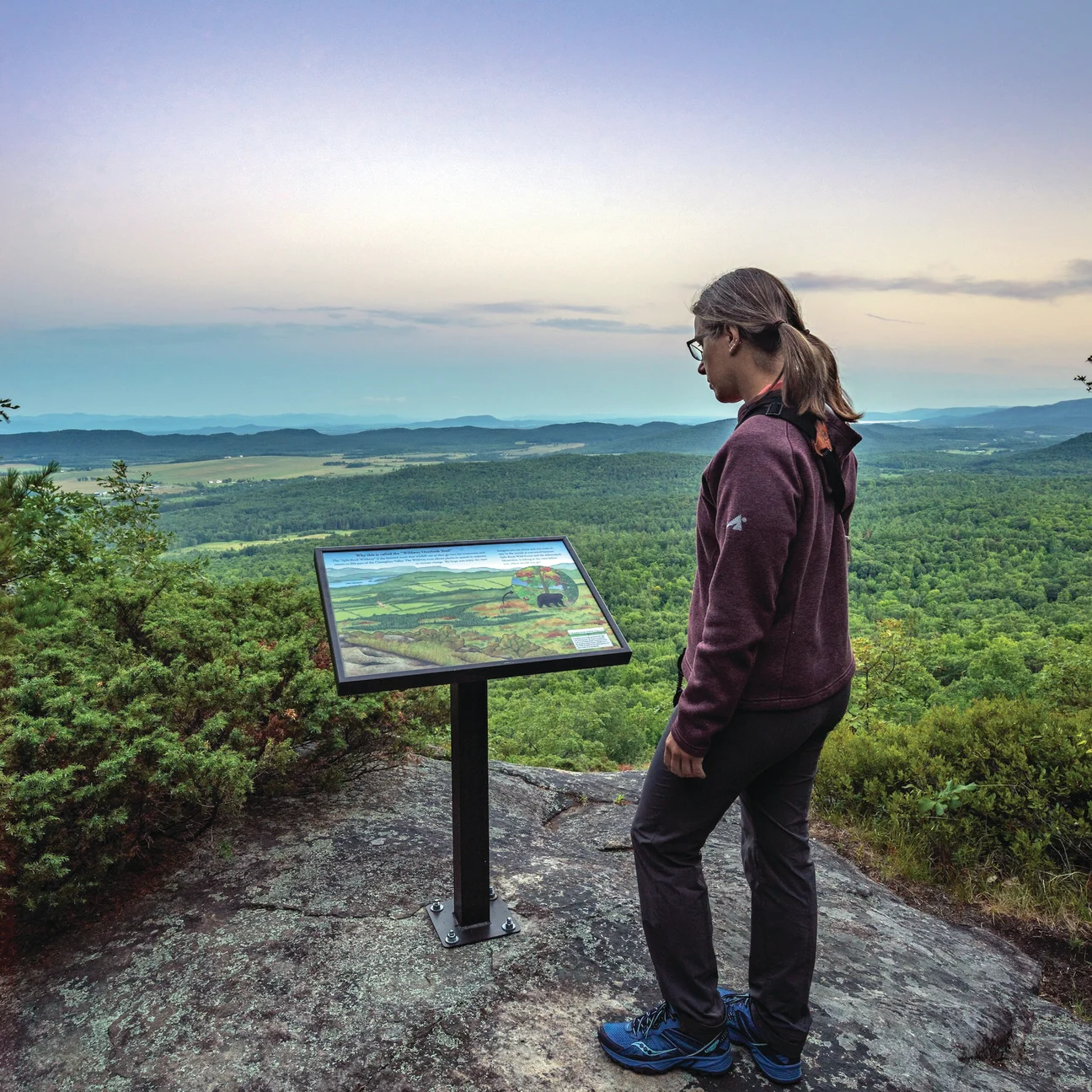
Champlain Area Trails demonstrates how long-term funding can help an organization grow. Founded in 2009 to improve recreational opportunities in the Champlain Valley, CATS has used Professional Development grants to expand its staff, its service area and its mission. Over the last 15 years, CATS has added new staff positions to support land stewardship, fundraising, community engagement and outreach. Adding these roles has also allowed the organization to maintain 40+ miles of trails in Essex County, partner with private landowners to allow public hiking access on easement lands and achieve land trust accreditation.
Photo by Brendan Wiltse.
New York City's community garden land trusts
The CPP has shown that there are benefits to making long-term investments in organizational capacity and meeting land trusts where they are. No story better demonstrates this than the story of the New York City community garden land trusts.
In the late 1990s, New York City’s extensive network of 112 public gardens were in danger of being lost to development due to a plan by the city to auction them off. A grassroots movement came together to save the gardens and in 2002, the Trust for Public Land and The New York Restoration Project negotiated to save them. In 2004, the Trust for Public Land received a Capacity & Excellence grant to help establish three new land trusts and transfer the gardens to their care. The organizations established were Manhattan Land Trust, Bronx Land Trust, and Brooklyn Queens Land Trust.
Over the years, each of the three land trusts have taken its own paths but have collectively received more than $900,000 in CPP grants to support everything from strategic planning to board development, fundraising, stewardship assistance and more. The Bronx Land Trust and Manhattan Land Trust are currently working in partnership with Green Guerillas, another nonprofit specializing in cultivating community gardens, which helps support them with various administrative needs, including accessing CPP grants. Brooklyn Queens Land Trust operates independently, and with support from the CPP, has added staff, purchased an additional garden, leased two more and has recently received land trust accreditation.
Each with a unique path, all three land trusts are trusted community partners, providing opportunities for residents to grow their own food, have a place to come together to enjoy the outdoors and to take part in the long-term stewardship of these protected gardens.
Stewardship & Resource Management grants provide land trusts with the funding necessary to make substantial capital investments in public access improvements and on-the-ground stewardship of conserved properties. Funding supports “shovel ready” projects that will result in resilient and durable impacts. For example, projects can include building universal public access trails and facilities, adding amenities such as parking and outdoor gathering areas or installing signage to improve the visitor experience.
Grant funds may also be used to address non-recurring — or new approaches to recurring — stewardship and management needs, such as habitat improvement, restoration or invasive species management.
“This grant program is significant in enabling us to accomplish conservation goals that would otherwise be impossible or extremely difficult. The on-the-ground work that we accomplish, the things staff, the public and volunteers learn, and the interactions we have with other organizations as a results of our work all improve our efficacy as an organization and have long-lasting impacts on the stewardship of our land."

Creating a safer, more accessible visitor experience
For land trusts with preserves open to the public, ensuring a safe, accessible and educational experience for visitors is a crucial part of what they do. OBI Land Trust is an all-volunteer land trust located in Jefferson County on the eastern shore of Lake Ontario. Their signature property, the Downeybrook Nature Reserve, is a nationally-recognized wildlife sanctuary with 3.5 miles of trails open to the public to enjoy. Between 2019-2024, OBI received over $80,000 in CPP funds to make needed upgrades to infrastructure and to improve access, safety and the overall educational experience for visitors to Downeybrook.
Demonstrating new approaches to land management
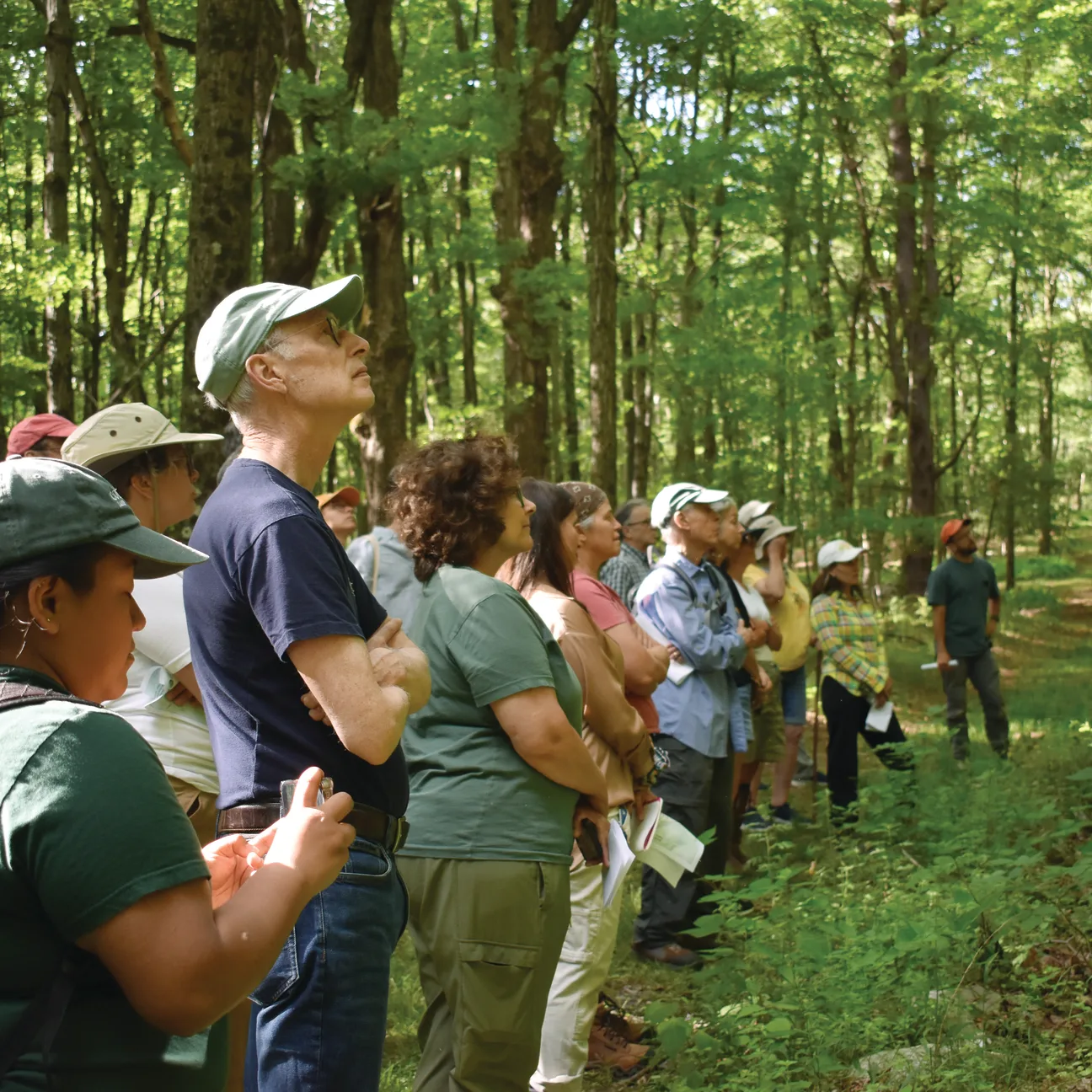
Much of land trusts’ stewardship work happens behind the scenes, making it difficult to showcase their process of land management. Columbia Land Conservancy is addressing this challenge by leveraging CPP funding to upgrade four of its conservation properties to land management demonstration sites. CLC will pilot several new management strategies at these sites that enhance forest habitat, improve water quality, incorporate conservation grazing as a restoration approach, manage invasive species and restore resilient habitat for rare and endangered species. Additionally, the demonstration sites will provide hands-on learning opportunities as CLC grows a network of landowners, land managers, volunteers and those interested in learning more about these management practices.
Transaction grants are intended to help land trusts complete projects that result in the strategic, permanent protection of environmentally significant lands that create, enhance and promote access for outdoor recreation for all New Yorkers and advance publicly supported open space priorities, including those identified in the New York State Open Space Conservation Plan.
From agricultural and forested lands spanning hundreds of acres to community gardens and buffer lands which may be less than an acre or counted by feet of frontage, Transaction grants have supported a wide range of land protection projects.
“Securing financial assistance for land conservation transactions can be a challenging task and this grant opportunity provides funding for important conservation projects that may otherwise not be funded elsewhere. Without this grant program, New York state is at risk of losing thousands of acres of important landscapes that provide scenic beauty, habitat for wildlife, protection of water resources and support for our working farms and forests.”
Creating Community Forests
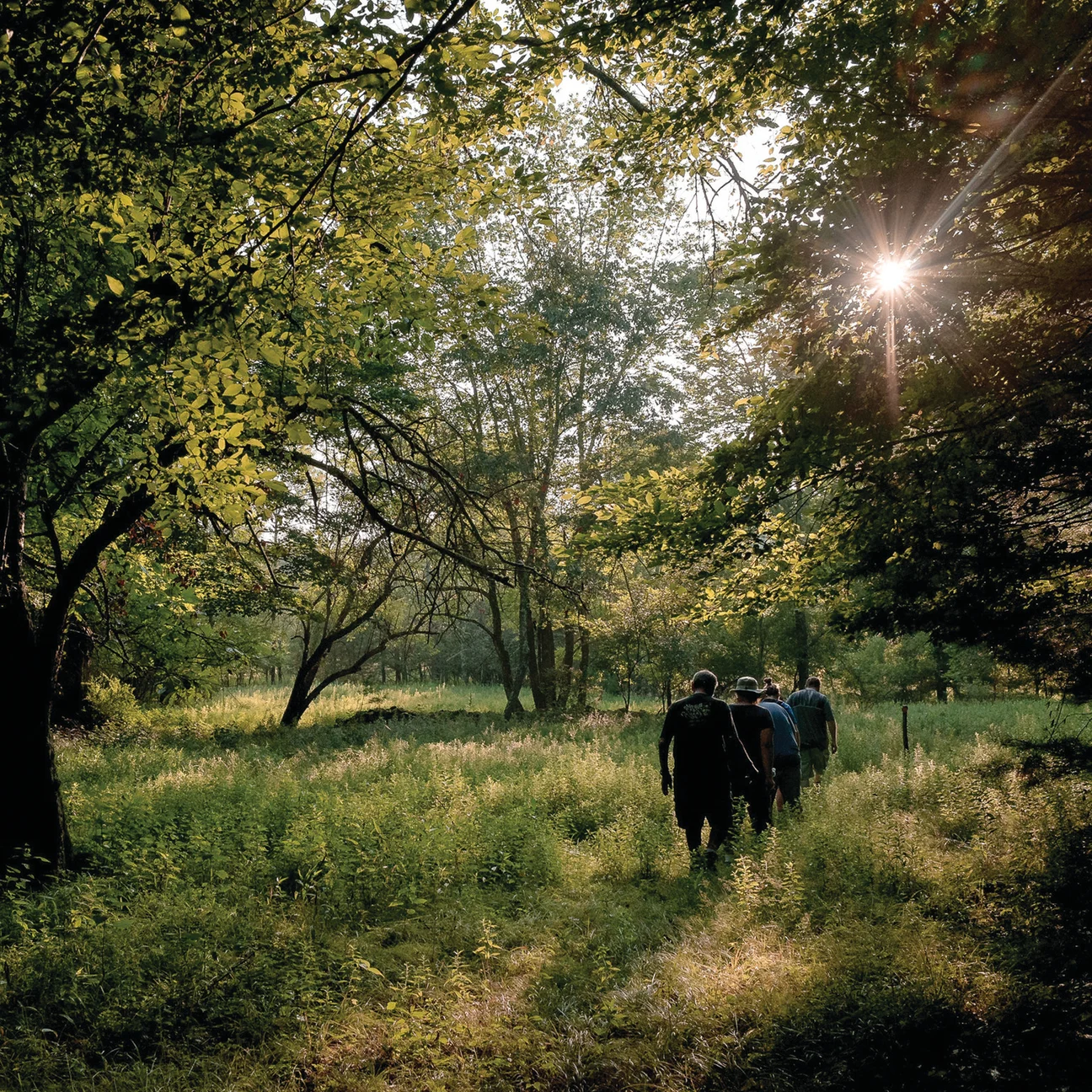
Hudson Taconic Lands (formerly Rensselaer Plateau Alliance) in eastern New York recently celebrated the opening of the 416-acre Valentino Family Community Forest in Grafton with support of CPP Transaction grants. Hudson Taconic Lands has repeatedly used CPP grants to match funds from the USDA Forest Service Community Forest Program, which supports community-managed forested areas that provide benefits to the local community, such as timber harvest management training, educational programs for adults and children and recreational opportunities.
Photo by Kate Lovering.
Protecting a conservation Landscape
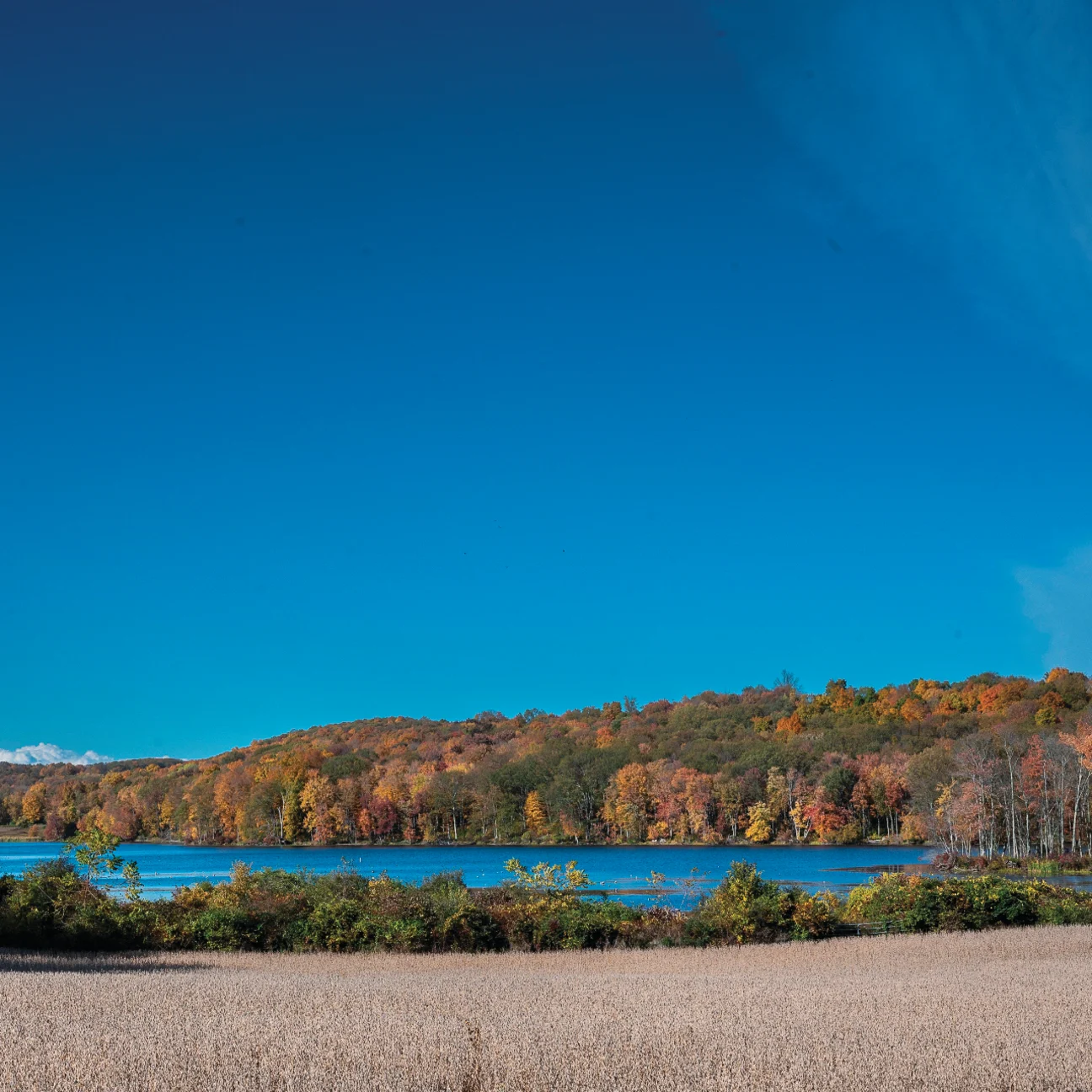
Dutchess Land Conservancy holds over 400 conservation easements protecting more than 41,000 acres across its countywide service area, but this impressive portfolio has largely focused on private, non-accessible lands. In 2022, DLC received a Transaction Grant to help cover some of the indirect costs associated with the acquisition of its first fee-owned property, more than 35 years after its founding. The 1,200-acre Bontecou Preserve is at the heart of a contiguous 11,000-acre conservation landscape DLC has worked to protect. The new preserve not only represents a shift in focus for the land trust but serves as a regional anchor for wildlife habitat and outdoor recreation, allowing visitors to enjoy this special landscape.
Agricultural Stewardship Association
In 2003, after operating for 13 years as an all-volunteer land trust, the Agricultural Stewardship Association received a Professional Development grant — one of the first awarded by the newly launched CPP program — to hire a full-time Executive Director. This initial investment proved to be the key to setting ASA on a path to becoming one of the most successful and well-respected land trusts operating in New York.
Over the last 20 years, ASA has received 36 grants with an investment of more than $800,000. The land trust now has a staff of eight, is accredited and has helped keep New York’s agricultural industry viable by working with farmers and their families to permanently protect more than 30,000-acres of farmland with conservation easements.
In 2020, ASA took on its first fee-owned property, 140-acres of woodland known as the Cambridge Community Forest and received a Stewardship & Resource Management grant to assist with public access improvements. Following
the success of this project, in 2024, ASA received Transaction grant funds to help with the costs associated with the acquisition of its second community forest property, the 80-acre Argyle Community Forest.
ASA’s success is a testament to the impact of the CPP and how targeted, long-term investments in organizational capacity can transform a land trust and a community for generations to come.
Conclusion
After 20 rounds of grantmaking to build capacity, the Conservation Partnership Program has succeeded in creating a land trust community that is better equipped to achieve its conservation goals and support the Department of Environmental Conservation and other environmental initiatives of the state. The New York land trust community is more collaborative and coordinated because of the program. They are more engaged in their local communities, more innovative in their projects and more willing to take risks.
The program has also changed the way conservation is discussed in New York. Land conservation and habitat protection are now parts of conversations that also include clean water, food justice, housing, equitable land access, carbon sequestration and climate resiliency. And land trusts now work to ensure that residents are included in decision-making about conservation projects in their communities.
All of this has only been possible due to the CPP’s unique approach to achieving its goals: investing directly in the health and sustainability of land trusts as a strategy to conserve more land, protect more habitat, provide more water resources and create more climate-resilient landscapes. The Conservation Partnership Program demonstrates that creating the supportive structures for the land trust community results in far more land conserved than by investing in land protection projects alone and prepares these organizations to enact bolder, stronger and more inclusive conservation visions.
The Conservation Partnership Program also shows that investing directly in organizations and people is one of the most successful ways for growing the skill, capacity and confidence of the land trust movement, but it requires a holistic approach. It means meeting land trusts where they are, developing authentic relationships, having the difficult conversations and being willing to accept risk. It demands cooperation, trust, flexibility and taking the long view when it comes to making financial investments.
Neither the Alliance nor DEC could have achieved this alone. Instead, it is thanks to a close, collaborative partnership between the two organizations, the incredible work of the New York land trust community and the projects they put forward, the strong support of New York’s elected leaders and the trust of the people of New York that this program has thrived. Public-private conservation partnerships like the CPP are essential, successful ways to create a stronger network of land trusts to the greater benefit of communities everywhere.
“We are so appreciative of the Conservation Partnership Program and the Alliance for their support. The impact that these grants have on organizations with small budgets like ours is huge. We are able to do so much with a relatively small investment from the state. It comes back to the community so many times over in our ability to provide programming and opportunities for environmental education and outdoor recreation and giving people the chance to learn about and participate in conservation efforts and environmental stewardship in their own "backyard."