Conservation of family ranch will protect 775 acres of grazing land, wetlands and wildlife habitat
Oregon's Wild Rivers Land Trust celebrated the permanent protection of 775 acres of working lands on the Wahl family ranch — a project more than 11 years in the making.

From discussions that began more than a decade ago, Wild Rivers Land Trust can now celebrate the permanent protection of 775 acres of working lands on the Wahl family ranch in southwest Oregon.
The conservation easement ensures that the ranch will remain in its current blend of agricultural production and wildlife habitat, safeguarding both community heritage and natural resources for generations to come. For the land trust, this project represents both a continuation of its roots and an expansion of its reach.
Founded in 2000 as the Elk River Land Trust, the organization's earliest work focused on protecting the Elk River headwaters from the threats of clear-cut logging. Over time, that mission has grown to encompass a broader vision: conserving Southern Oregon's working lands, scenic landscapes and culturally significant places.
As Wild Rivers Land Trust celebrates its 25th year, the Wahl Ranch easement reflects the organization's evolution.
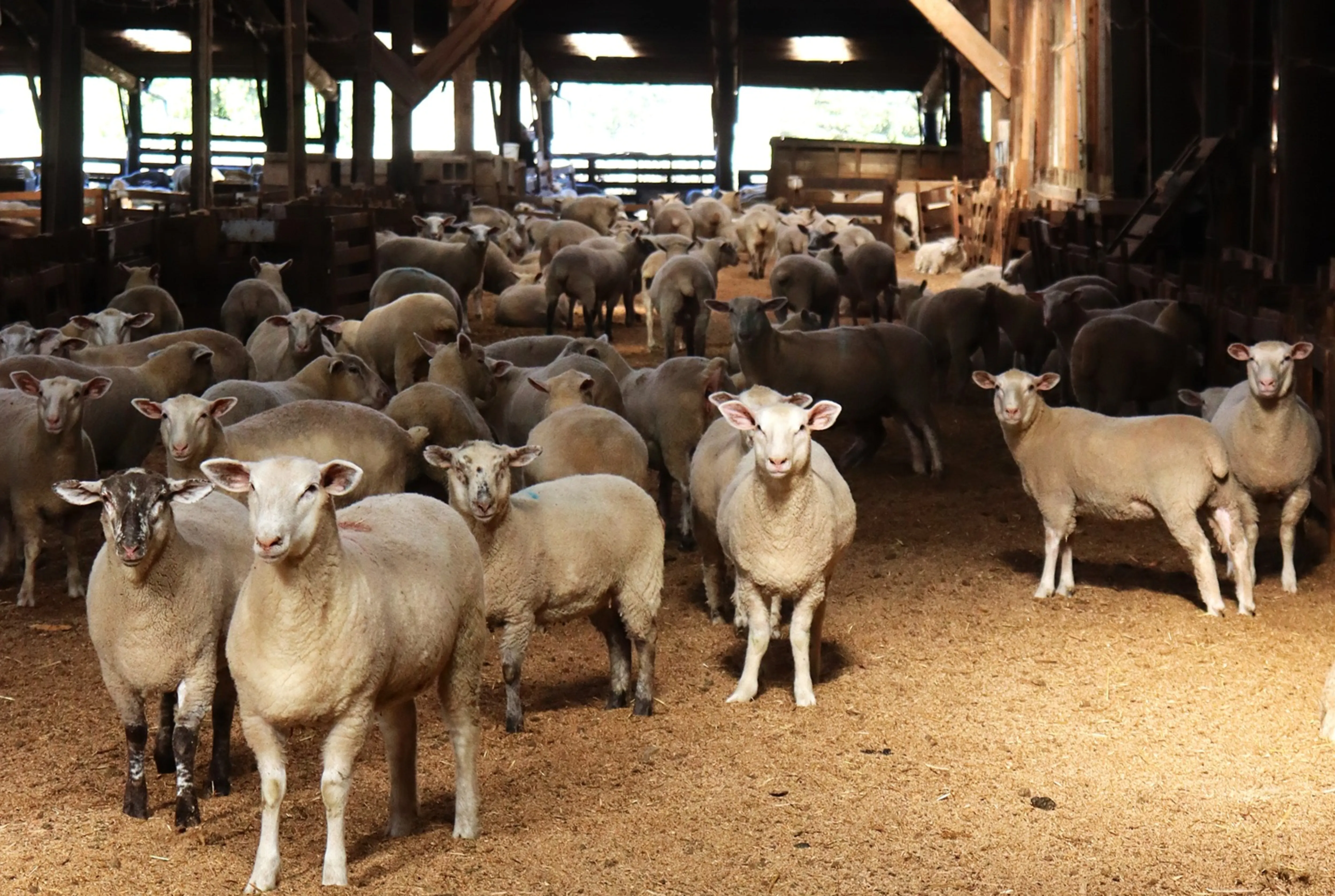
The Wahl Ranch represents a rare combination of productivity and habitat. Its rolling pastures sustain sheep grazing, while its estuary, wetlands and riparian corridors provide critical habitat for fish, birds and other wildlife.

"This project holds deep personal meaning for me,” said Amy Knapp Pettit, executive director of Wild Rivers Land Trust. "I have known the Wahl Family for my entire life, and I've always admired their care for the land. Wild Rivers Land Trust began conversations with the Wahl family more than a decade ago about how to protect their ranch, and now to see it completed is a joy. This easement honors their legacy while ensuring future generations will experience this remarkable landscape."
Wild Rivers Land Trust's service area spans more than 2.2 million acres of some of the most remote, wild and beautiful landscapes in Oregon. This remoteness is part of what makes our region so special — but it also makes it especially vulnerable as development pressures creep further into rural communities.
In Curry County, more than 36% of agricultural land was lost to development or other pressures between 2017 and 2022. Against this backdrop, the Wahl family's decision takes on even greater meaning.

Pete Wahl spoke for the family as he reflected on that decision.
"We see the conservation easement as the best way for our ranch to stay permanently in its current combination of agricultural production and wildlife habitat,” said Wahl. “We are grateful for the federal and state programs that make conservation easements possible for ranch and farm families, and for the land trust community that has long been the backbone of these efforts. The easement tool may not work for all agricultural family businesses, but it's a remarkable option for those who choose to protect both production and habitat in this way."
This working lands conservation easement was made possible through funding from the U.S. Department of Agriculture’s Natural Resources Conservation Service and the Oregon Agricultural Heritage Program, which is a program of the Oregon Watershed Enhancement Board. Wild Rivers Land Trust also partnered with The Conservation Fund, which provided technical support that was key in navigating the complexities of a project this size.
With this agreement complete, the land trust's portfolio has grown to more than 1,600 acres protected.
Each project reflects the trust that local families place in the land trust to help safeguard what matters most: productive lands, healthy ecosystems and community heritage.
The Wahl family's patience and determination — and Wild Rivers Land Trust's long-term commitment — made this 11-year project possible. But our work is far from done. With six more properties already in the queue for protection, the organization is working urgently to safeguard the remoteness, productivity and beauty of Southern Oregon.
Disclaimer
This post reflects the author’s views only, is provided for informational purposes, and does not constitute legal or professional advice or an endorsement by the Land Trust Alliance.