Water, land and heirs' property in New Mexico
New Mexico Land Conservancy is working to conserve multi-generational farms and protect agricultural traditions.
A version of this story originally appeared in the Fall 2022 issue of Saving Land magazine.
New Mexico Land Conservancy knows well the challenges and opportunities that come from working in diverse communities. As the nation’s most Hispanic* state by percentage of total population (48% overall, 80% in rural areas), it is important to understand the legacy of colonial Spain and its impacts today on land ownership and the issues surrounding land conservation in New Mexico.
Land grants were granted by the King of Spain and Governor of Mexico during the Colonial period to noblemen and were considered communal lands known as mercedes. Similarly, tribal lands were established as pueblos with tenancy in common, where each person has equal rights to possess the entire property, but with no right of survivorship. There were 295 original Spanish and Mexican land grants in New Mexico. Today, only 26 land grants remain active.
Family properties have been passed down for hundreds of years and can be burdened by heirs’ property legal issues — they might lack a clean title, do not have surveys and may not have records to prove legal ownership of land or water rights. Following the Mexican-American War and the Treaty of Guadalupe-Hidalgo in 1848 and into the 1970s, Hispanic family land became legally compromised by controversial court decisions, forcing millions of acres of private and communal lands to be effectively stripped from original heirs and transferred to new Anglo-American owners and the U.S. government.
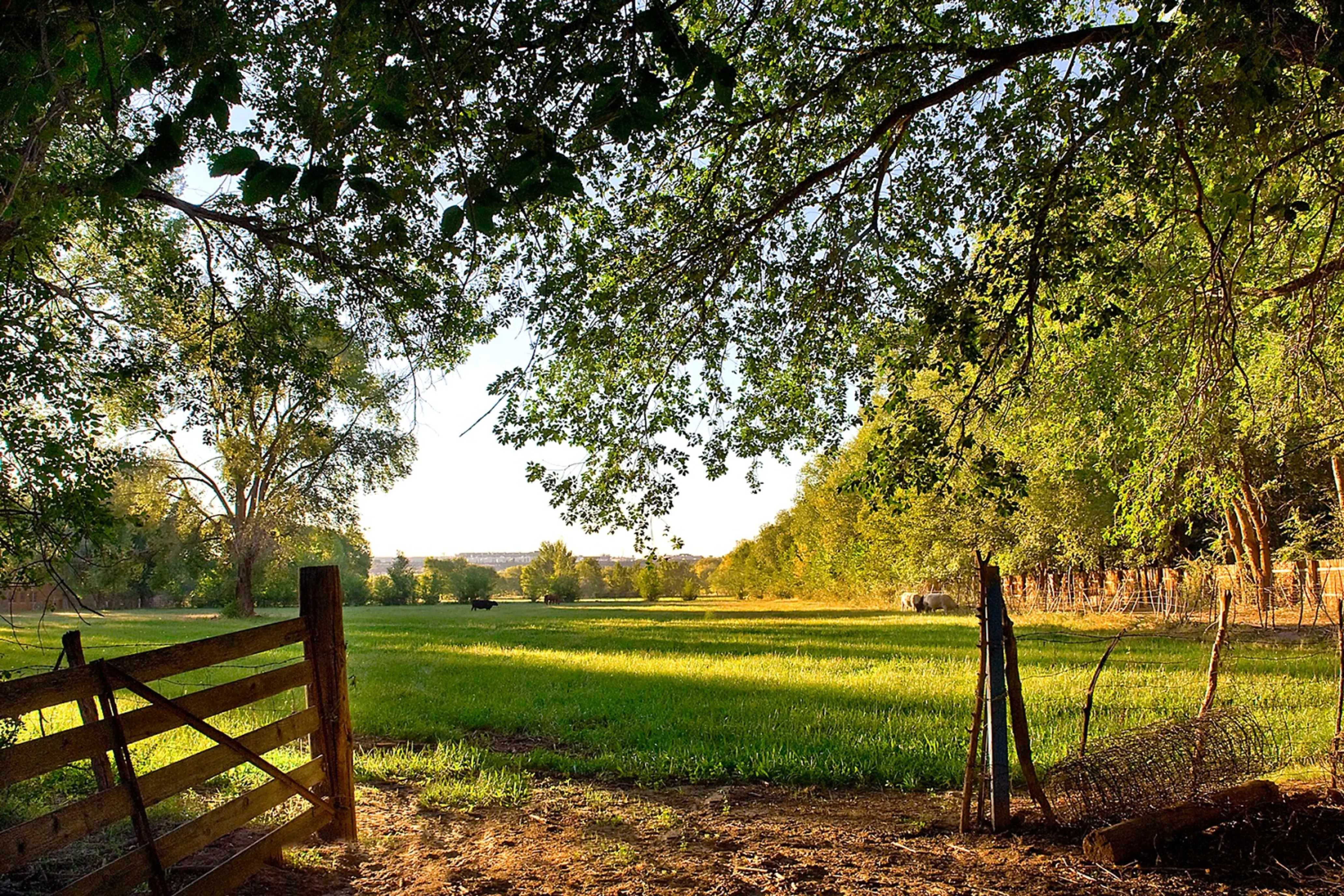
Today, New Mexico Land Conservancy works to protect multi-generational farms with conservation easements, keeping land in the hands of families and enabling agricultural traditions to thrive in perpetuity. In places threatened by sprawling growth, conservation easements protect land and water by legally tying surface water rights in traditional acequias (a type of irrigation ditch) to agricultural lands and restricting new residential development. The conservancy worked with families to clear title issues for heirs’ property using the state tax credit through the New Mexico Land Conservation Incentives Act, and in the case of one traditional Hispanic farm, the tax credit was used to pay probate costs, allowing the original family to keep land it had farmed since the late 1600s.

Complications with New Mexico’s land ownership history underly the challenges New Mexico faces as a Western state dealing presently with catastrophic drought, aridification and wildfires. Much of the national forests we now see affected by wildfire were formerly land grants managed by Hispanic communities and Native American tribes. Historic farmland and acequias of the Middle Rio Grande under extreme drought conditions are now forced to forgo watering crops this growing season.
Against these odds, New Mexico Land Conservancy believes there has never been a better time to use conservation easements as a tool to secure land and water resources for our communities. Easements can serve as an assurance of greater security for farmers, ranchers and their family lands. The risks of losing it are all too real to their querencia (“life’s purpose”) and love of their land.
*Note about language: The term Hispanic is more commonly used and accepted by native New Mexicans than Latino/a or Latinx and is supported by a recent study hosted by the University of New Mexico indicating that 93% of 239 respondents described themselves as Hispanic rather than Latino/a.