Want clean water? Start by protecting forests
What kind of information do water utilities, government agencies, and other funders need to support further investment in land protection as a strategy to maintain water quality? Answering these questions is essential to keeping clean water clean.
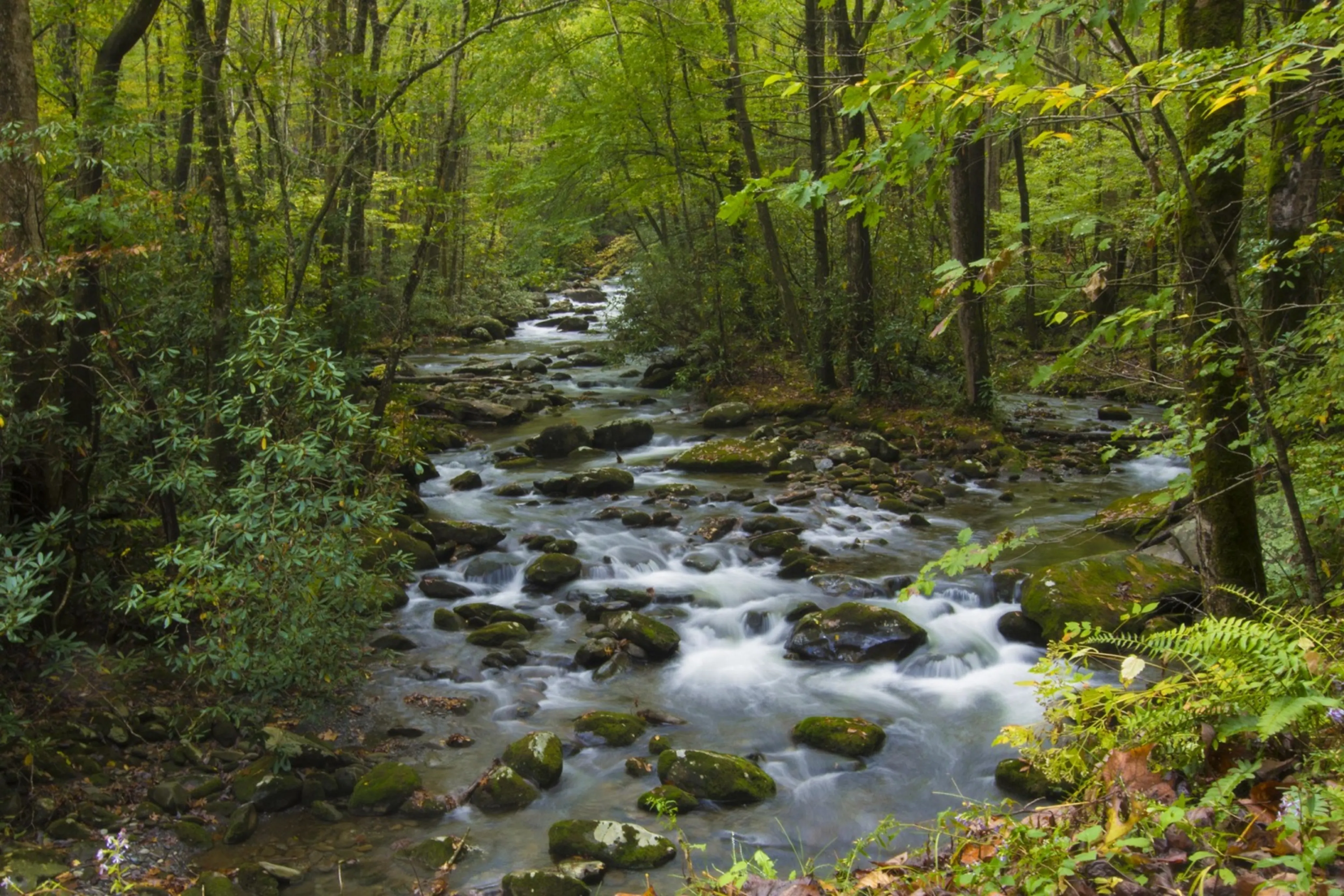
According to the U.S. Forest Service, waters filtered through forests are much cleaner than water filtered through residential or agricultural land. Instead of protecting forested land, however, many clean water programs focus on restoring streams and surrounding lands that are already degraded.
That is why the Open Space Institute has released a report — Protecting Forests for Clean Water: Findings from A 10-year Initiative to Promote Best Practices Across the Land Conservation Field — quantifying the benefits of forest protection on water quality. The report offers strategies and practical tools to ensure land trusts, municipalities and others can more effectively engage forest protection to achieve their clean water goals.
“While we know forest protection supports clean water, we need the data that makes that case clear to decision-makers,” said Abby Weinberg, OSI’s senior director of research. “Thanks to the creativity of our scientific partners, we were able to develop new approaches and recommendations that allow water utilities, land protection leaders and agencies to connect the dots between forest protection and clean water, opening the door for greater collaboration and impact across sectors.”

The report’s findings resulted from evaluations completed as part of the Delaware River Watershed Protection Fund that OSI administered as part of the Delaware River Watershed Initiative, which the William Penn Foundation funds. The fund has protected 21,000 forested acres in the Delaware River Watershed across New Jersey, New York and Pennsylvania between 2013 and 2023. The Delaware River Basin is a source of drinking water for more than 15 million residents of Trenton, Philadelphia, Wilmington and New York City.
Important findings include:
Forests keep water clean. Studies found that nitrogen levels spike when forest cover levels fall below 66% — when those levels are 70% or greater, streams and rivers stay healthier and cleaner, and wildlife thrives.
Protecting forests along streams filters pollutants from the surrounding landscape. For example, land protected by the Delaware River Watershed Protection Fund filters and reduces about 1,680 pounds of total nitrogen annually.
Allowing protected land to return to forested conditions results in less pollutants. More than 600 acres of the land protected by the fund were returned to forested conditions, resulting in substantial reductions in pollutant loads of sediment, nitrogen and phosphorous.
Land protection results in the avoidance of stormwater capital costs and annual maintenance costs for projected development — regarding the lands protected by the Delaware River Watershed Initiative, the savings were more than three times the cost of the land protection itself.
“Land protection has been under-utilized as a tool for protecting clean water in part because it is challenging to measure and quantify impacts on water quality,” said Stuart Clarke, program director at the William Penn Foundation. “This new data will allow communities and agencies to be more strategic in land protection investments for improved water quality.”
The views, thoughts and opinions expressed in this blog are the author's own and do not necessarily reflect the views of the Land Trust Alliance, its staff, its board of directors or any other individuals associated with the organization.