Turning history into Halloween fun
“Catholic monasteries are not known, let alone acclaimed, for their Halloween pumpkins. That may be changing, thanks to some enterprising northern Utah Latter-day Saint family farmers.”

“Catholic monasteries are not known, let alone acclaimed, for their Halloween pumpkins. That may be changing, thanks to some enterprising northern Utah Latter-day Saint family farmers.”
That’s from a recent article in The Salt Lake Tribune about the old Abbey of Our Lady of the Holy Trinity Trappist Monastery in Huntsville, Utah.
The Huntsville Monastery was a Trappist Cistercian monastery established in 1947 by monks, most of whom were veterans of World War II. The monks were also active farmers, ranchers and beekeepers who sold bread, jam and their famous creamed honey. The monastery closed in 2017 when the surviving monks were too old to sustain the operation.
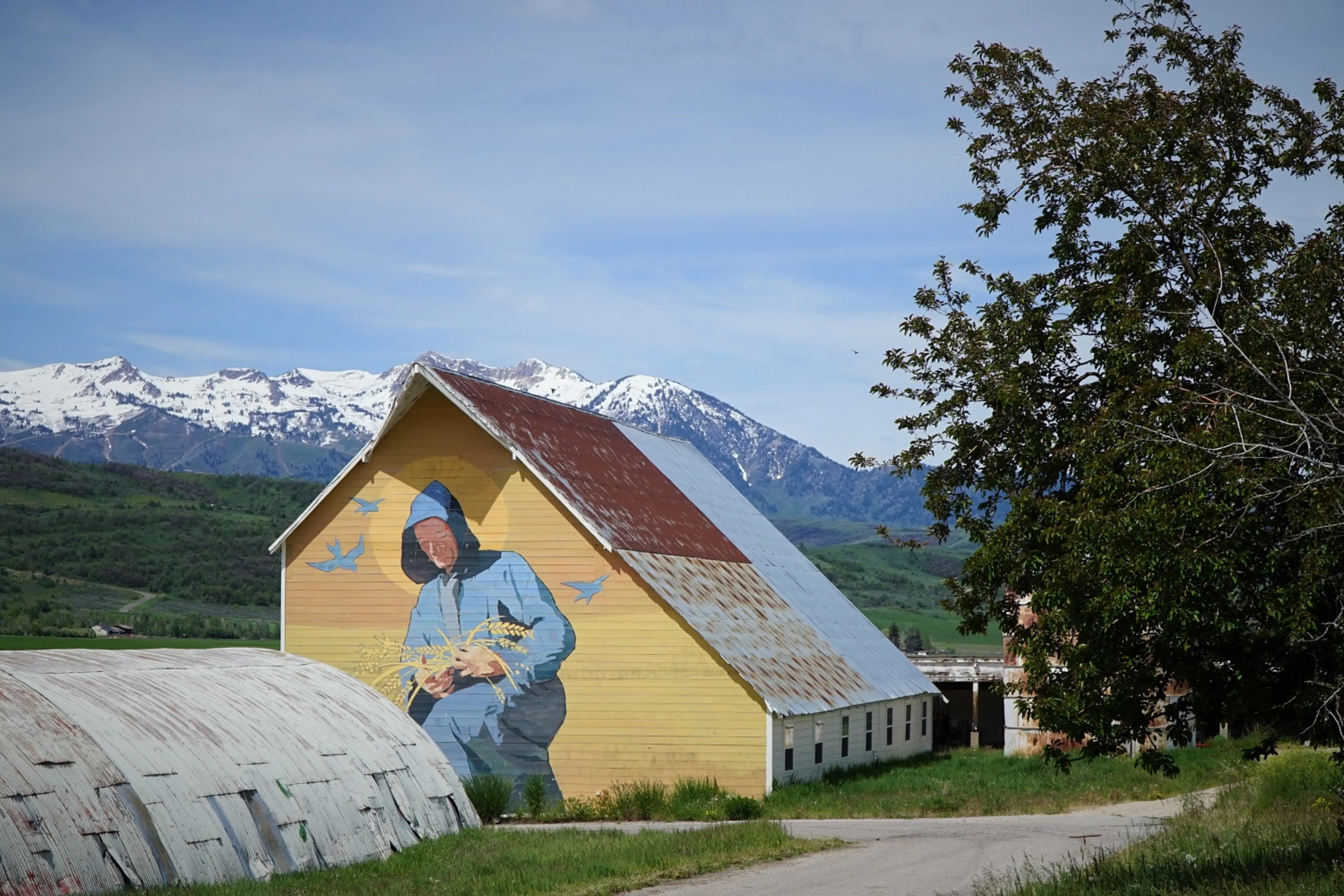
The land was bought by Bill White and Wynstonn Wangsgard who kept the land in production, including alfalfa, barley, cattle grazing and honeybees. The 1,050-acre former monastery and surrounding land are permanently protected through a collaboration between two Alliance member land trusts: the Summit Land Conservancy and Ogden Valley Land Trust.
In 2022, the owners hired Kenny and Jamila McFarland — seventh-generation farmers whose descendant, William McFarland, first started farming in the region in 1859 — to manage the monastery land. At the top of their to-do list was to start growing a Halloween staple:
One of the couple’s first major decisions at the Historic Monastery Farm involved where to grow the famous McFarland pumpkins and gourds that make northern Utah Halloweens so festive. They chose some acreage — called St. Stephen’s field — on the western edge of the abbey property.
It was an inspired choice. St. Stephen’s field holds the perfect mix of ingredients — including a wonderful backstory and legacy — necessary to germinate and nourish the crop of pumpkins growing there now.
In the fall, families can come and hand-pick their soon-to-be jack-o-lanterns, attend an autumn dance in the property’s barn or have some fun at a fall festival.
The conservation easement protecting the land is a perfect example of the variety of benefits of private land conservation — besides providing local food and outdoor recreation opportunities, the easement area also provides critical winter habitat for hundreds of Rocky Mountain elk, contains seasonal wetlands for migratory birds, and serves as a wildlife corridor for two endangered species: the Canada lynx and yellow-billed cuckoo.
Read the full article in The Salt Lake Tribune here — the author, Michael Patrick O’Brien, is a writer and attorney, and his book “Monastery Mornings: My Unusual Boyhood Among the Saints and Monks,” about growing up with the monks at an old Trappist monastery in Huntsville, was published in 2022.
