The lasting legacy of a 'true Southern gentleman farmer'
Frank (Frankie) Chester lived humbly in a Rowan County mobile home, but most days drove to the farm, five miles east of Davidson, which had been in his family for centuries.
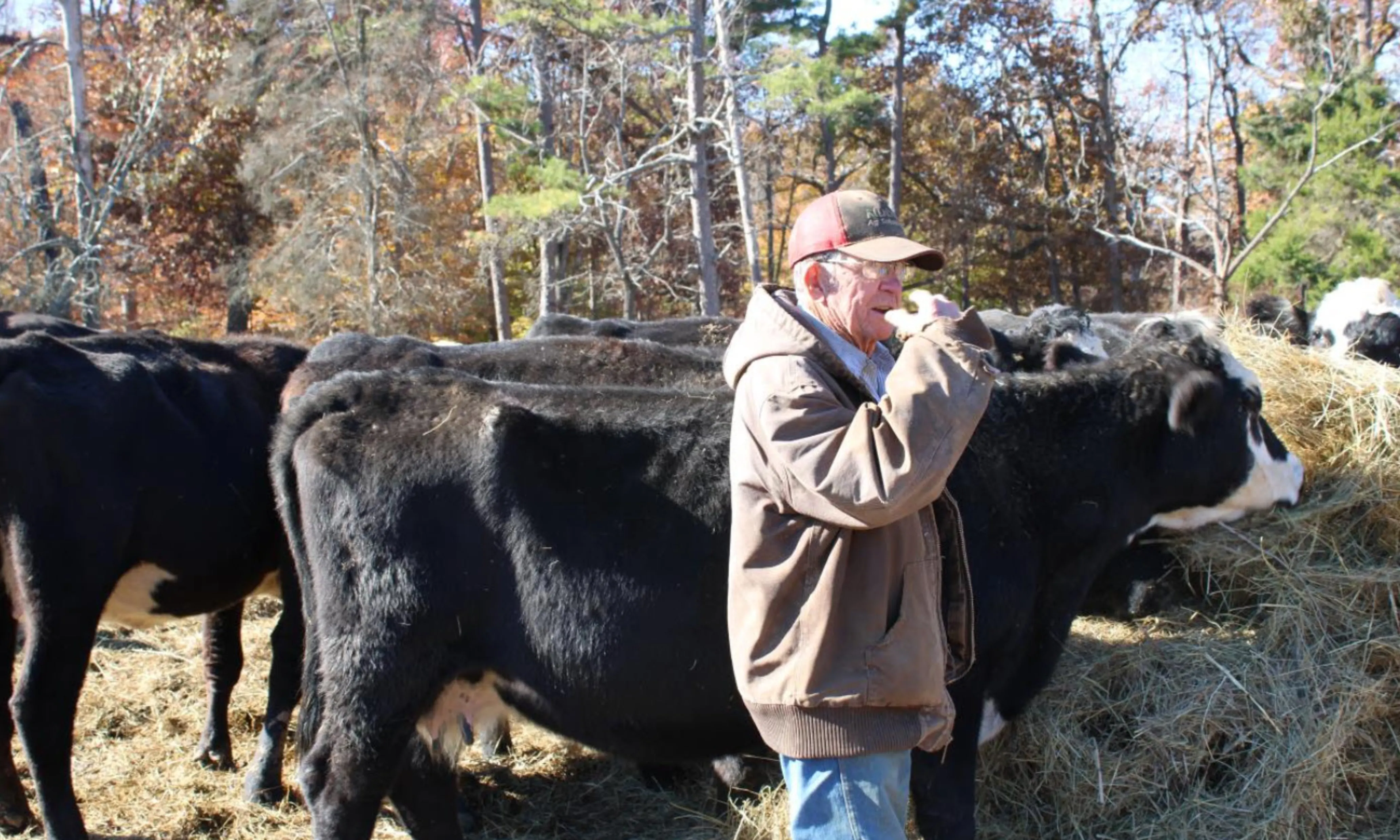
The most remarkable conservationist you might never have heard of spent his long working life in textile mills, fixing looms. Frank (Frankie) Chester lived humbly in a Rowan County mobile home, but most days drove to the farm, five miles east of Davidson, which had been in his family for centuries. There he doted on a herd of beef cattle, some with fond names like Button and Oreo, although he hated the final steps to sending them to market. Frank loved to entertain friends under a sprawling white oak.
Until February, Frank also kept a secret: he had donated conservation easements on his 209 acres to the Davidson Lands Conservancy, permanently protecting his land from development. This act of conservation required a substantial sacrifice in the farm’s market value. It was the most substantial conservation achievement in the 23-year history of the conservancy. Frank planned to live out his last years comfortably on the farm. But those plans died when, at 86 years old, Frank passed away unexpectedly.
Frank explained why he decided to leave such a gift of conservation — he did not want to see the development of his farmland. To walk through his barnyard, strewn with rusting farm implements, permanently parked tractors and pickups, past the black manure still pocked by cow hooves, to a pasture vibrant with creeping buttercups and red clover, is to sense his love of the place.
“The land really seeped into his bones, and I saw that early on,” said Dave Cable, Davidson Lands Conservancy’s executive director. “That land was a huge part of his life and he recognized that it was his legacy. He must have told me a hundred times, ‘Dave, I just don’t want to see houses all over this land.’”
Easements protect a vanishing landscape
The conservancy had begun urging Frank to protect his land under former director Roy Alexander, who died in 2015. Cable, then a volunteer, introduced himself a couple of years later and, sometimes bearing muffins baked by his wife Libby, dropped by regularly. Their friendship, and trust, grew over time.
Farmland is an increasingly scarce commodity in the Charlotte region, where new houses sprout on old fields. Mecklenburg County lost 75% of its farm acreage between 1982 and 2017, according to federal statistics, while Cabarrus County dropped by 23%. North Carolina is the second highest state behind Texas to suffer farmland loss.
As houses went up and traffic intensified around the Chester farm, it became harder to move cows between pastures. Frank relied on friends and neighbors to help, but in recent years had to call Cabarrus County sheriff’s deputies to stop traffic during the maneuver.
In 2020, Frank decided he was ready to protect a 117-acre tract of his farm. He was picky about some details, including retaining the right to mine gold on the property, although there are no legends of gold on the farm, only remnants of old iron plows and tractors.
“You never know,” he told Cable.

The conservancy hired an attorney to represent Chester. Papers were signed on the hood of the 30-year-old Ford Ranger pickup that’s still parked under the oak. But the ever-private Frank didn’t want anybody else to know about the transaction, broaching his daughter carefully.
“He broke it to me cautiously, pretty much, and I had my concerns,” daughter Janet reported.
Would the acreage lose its lower farm-use property tax value if it didn’t continue as an agricultural concern? And would the terms of the conservation easements unduly restrict a farmer who takes over the property? The conservation easements on the farm allow for a wide range of farm uses but permanently prohibit any residential or commercial development on the land.
Mapping out the farm's future
With her father’s death, Janet feels the need to sell or lease the property, ideally to a dedicated, young farmer, or possibly see it turned into a park or other recreational preserve. She herself doesn’t want to manage the farm.
“I don’t feel like that I should keep it,” she said. “It’s finding a buyer within the parameters of both farm and conservation — where it meets in the middle, that’s where I’m really trying to navigate.”
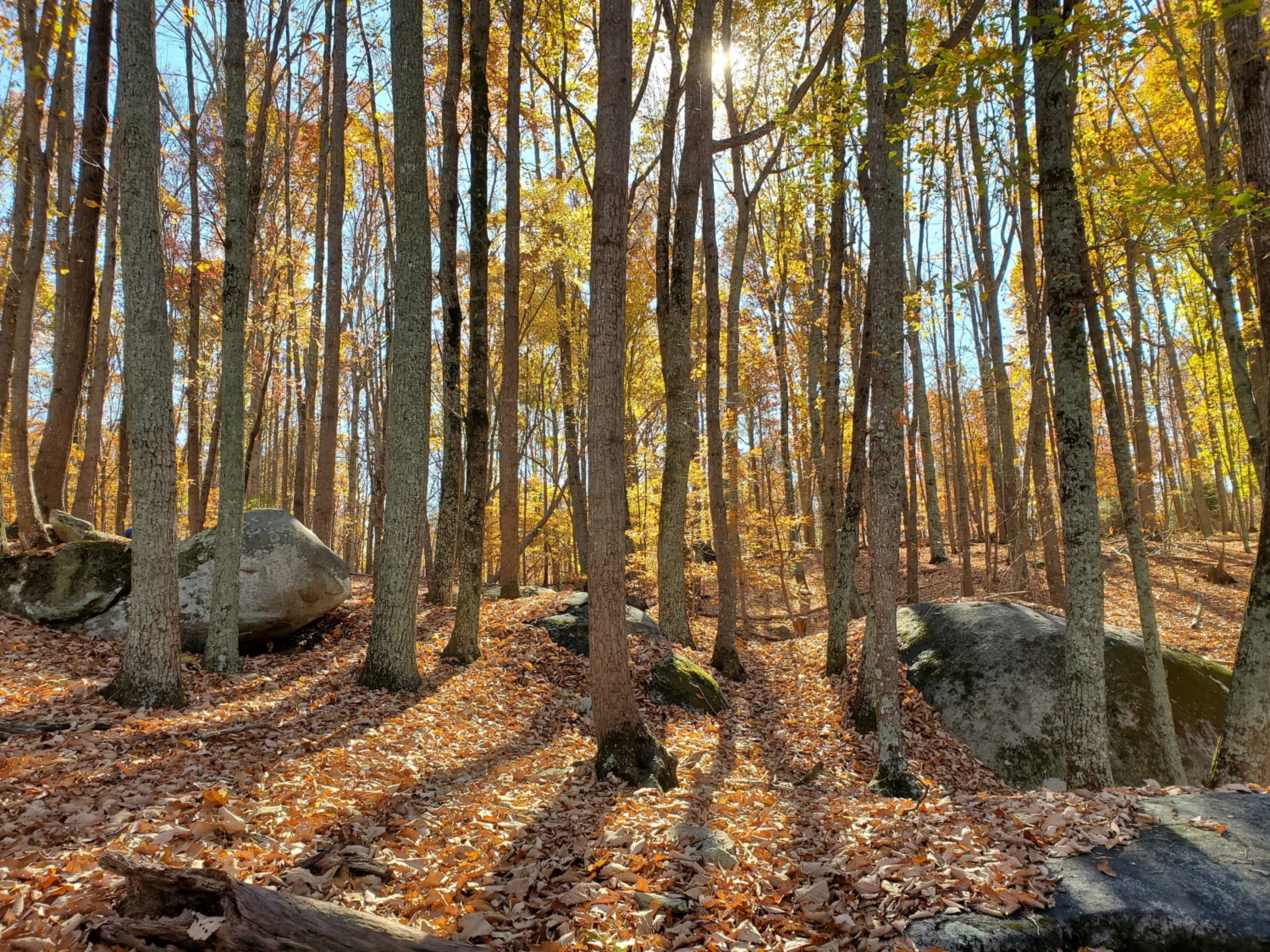
After telling his daughter about the initial conservation easement, Frank allowed the conservancy to install boundary signs around the property. He insisted on walking with conservancy volunteers during their regular stewardship checks.
Earlier this year, Frank signed an easement protecting his remaining 92 acres. The Davidson Lands Conservancy paid him a fraction of the easement’s value, made possible by the North Carolina Environmental Enhancement Grant Program, with additional contributions from the conservancy’s 2018 capital campaign.
He beamed as the conservancy presented him with a plaque recognizing his achievement and allowed the group to publicize it.
The plaque now hangs proudly in his daughter Janet’s home.
His death leaves the beloved farm intact but likely to have new owners. Janet, the bridge to her family land’s past, is now trying to map out its future and provide a beautiful, productive opportunity for others.
“All the families around here handed land down to heirs,” she said. “It’s an interesting concept for some families to think about new blood. How do you move forward in a way that accepts change but retains the family legacy? How do you achieve the vision, a new path that needs to be followed? Frank set the table for the future and next generation.”
This article originally appeared in the Fall 2023 issue of Saving Land.