Home is where the Monarchs are
Monarch butterflies migrate to the U.S. from their winter homes in the forests of Michoacán, Mexico. But they aren't the only ones who have made that journey.

The views, thoughts and opinions expressed in this blog are the author's own and do not necessarily reflect the views of the Land Trust Alliance, its staff, its board of directors or any other individuals associated with the organization.
Casa Michoacán is dedicated to providing services to its local Spanish-speaking community in West Chicago as well as to people living in the Mexican state of Michoacán. In recent years, the group has formed a meaningful partnership with The Conservation Foundation, an accredited land trust working in northeastern Illinois. Together, they have created a native plant and vegetable garden that provides habitat for pollinators — including monarch butterflies, which migrate primarily to Michoacán — and snacks and respite for visitors to the group’s community center.

The Conservation Foundation has also supported them by growing cempasúchil (Mexican marigold), an important flower for Día de los Muertos (Day of the Dead) celebrations, and offering regular terapia de bosque (forest therapy) events in local preserves, something that has become even more important during stressful times. The partnership is one of many that developed from the land trust’s year-long listening tour to discover how it could be more inclusive and relevant to the communities it serves.
This introduction originally appeared in Saving Land, Fall 2025 (Vol. 44 No. 4).
The article below by Jill Johnson originally appeared on The Conservation Foundation website.
The forests of Michoacán, Mexico, are the winter home of the beloved Monarch butterfly. Suppose you catch sight of a monarch flitting through your yard this week. In that case, it is likely of the longer-lived generation that will head south shortly, overwinter in the oyamel fir forests of Michoacán, and whose future generations will migrate back our way next spring.
But the monarchs aren’t the only ones who have made that journey. There is a large immigrant population from Michoacán in our (Chicago) region, and they are served by one of The Conservation Foundation’s valued partners, Casa Michoacán DuPage, founded in 1996 to assist immigrants with social, language and additional needed services and to connect them to others in the area.
This Hispanic Heritage Month, we at The Conservation Foundation celebrated our partnership with Casa Michoacán DuPage, which grew out of our Community Engagement Listening Tour conducted in 2024. One of our focus areas was to learn how community partners wanted to engage with nature, and how we could work together to have a lasting impact for both human and natural communities in the West Chicago area, where Casa Michoacán DuPage is based, and our relationship flourished from there.
Seeing monarchs after moving here can feel like a little slice of home for immigrants from Michoacán, so it was a natural fit to support Casa Michoacán DuPage in the planting of native plants like milkweed — monarchs’ favorite food and most vital plant — around their center, as well as focusing on how growing food can provide for and connect the community.
Together, we broke ground on a garden in May 2024, and also held a container gardening workshop so folks could have herbs at home. The garden expanded in May of this year with support from Healthy West Chicago and others with the addition of both more native plants and vegetable garden beds. In addition to the native garden and educational opportunities, we have now been able to bring bilingual forest therapy experiences to their participants as well, at their request.

“At Casa Michoacán DuPage, we are deeply pleased with our collaboration with The Conservation Foundation,” said Jose Luis, director at Casa Michoacán DuPage. “This partnership has given us the opportunity to explore better ways to connect with nature and strengthen our community’s relationship with the environment. Through their guidance, we have learned about the importance of protecting our forests and natural resources, and they have supported us greatly in nurturing our community garden.”
“We truly believe this collaboration is both meaningful and transformative for the immigrant community in DuPage County.”
Desde Casa Michoacán DuPage estamos muy complacidos con la colaboración que hemos tenido con The Conservation Foundation. Esta alianza nos ha dado la oportunidad de explorar mejores caminos para estar en contacto con la naturaleza y fortalecer el vínculo de nuestra comunidad con el medio ambiente. Gracias a su acompañamiento, hemos aprendido más sobre la importancia de cuidar nuestros bosques, nuestros recursos naturales y, sobre todo, hemos recibido un gran apoyo en el desarrollo de nuestro jardín comunitario. “Creemos sinceramente que esta colaboración es trascendental e inspiradora para la comunidad inmigrante en el Condado de DuPage.
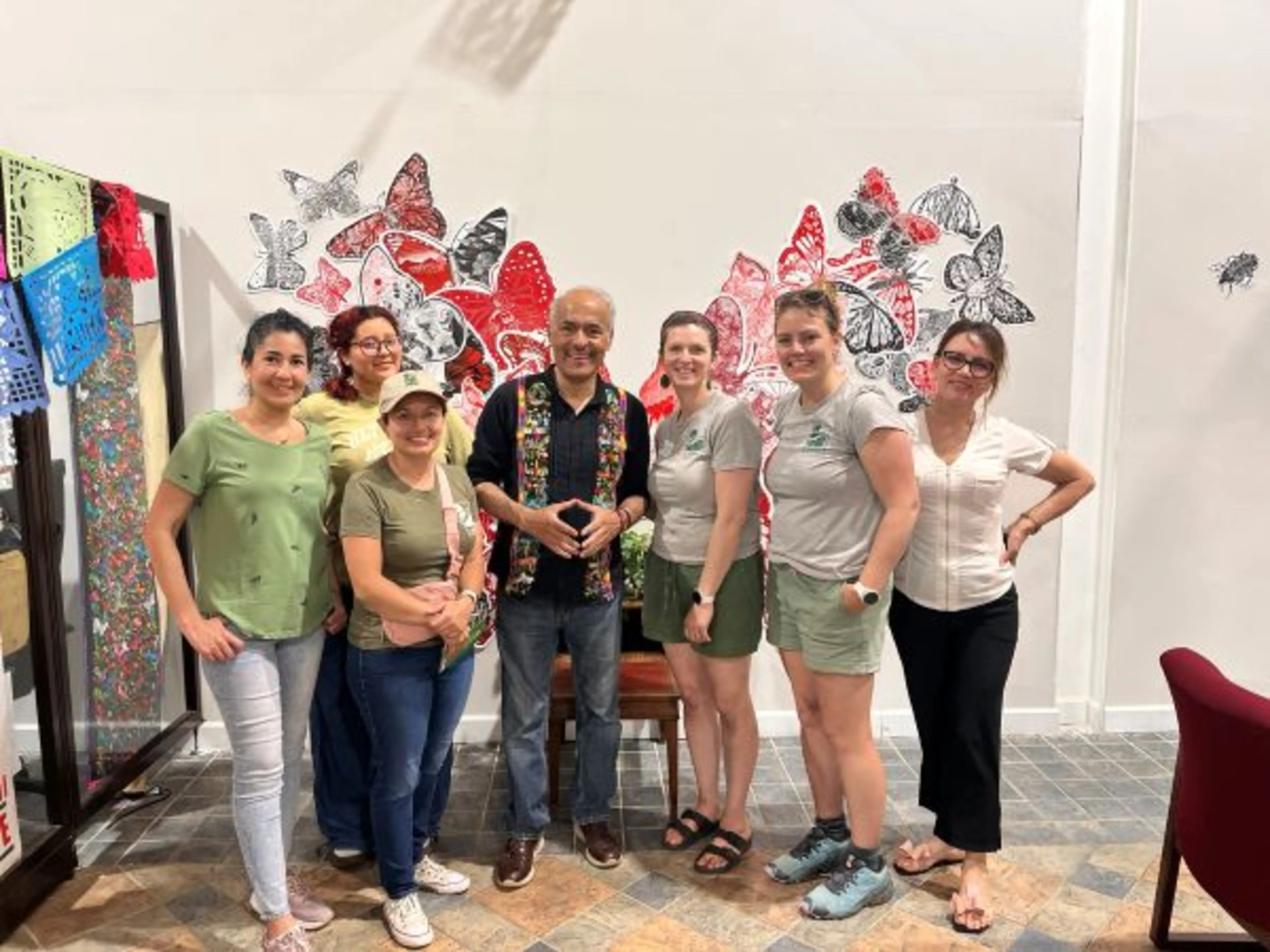
At The Conservation Foundation, we believe every person, regardless of where they live or their socioeconomic status, deserves clean water, clean air, nutritious food and safe access to nature as a way to be healthy and happy. After all, the air we breathe is the same air that carries the beautiful Monarchs to Mexico and back.
“At a time when there is a lot of stress in the Latinx community, The Conservation Foundation is glad to be firmly planted in our belief that everyone belongs in nature,” said Alison Paul, vice president of community conservation at The Conservation Foundation. “We are grateful for our partnership with Casa Michoacán to be able to help communities that are facing high levels of stress access the calming effect of nature in and around West Chicago. At a time when it can feel like we don’t have a lot in common, it’s inspiring to connect over our common land, water, and air that tie us all together.”
It is our shared responsibility to care for our common air and the people in our communities, and we are so grateful for our partnership with Casa Michoacán DuPage.