Western Pennsylvania Conservancy protects 460 acres, safeguarding forest, rare species
The Western Pennsylvania Conservancy has permanently protected 460 forested acres and will manage it as a natural area open to the public for outdoor recreation that includes hiking, birding, hunting, fishing and wildlife watching. The preserve will also be used for research and nature study by local schools and universities.

The accredited Western Pennsylvania Conservancy has permanently protected 460 forested acres in Keating Township, McKean County, Pa. The conservancy acquired the land from the Collins Pine Company, a sustainable forestry and wood products operator in the PA Wilds.
The conservancy will own the property, now called the Babcock Family Nature Reserve, and manage it as a natural area open to the public for outdoor recreation that includes hiking, birding, hunting, fishing and wildlife watching. The preserve will also be used for research and nature study by local schools and universities.
The preserve honors the legacy of the Babcock family and their longstanding connection with the conservancy and commitment to conservation. Family patriarch, Edward Vose Babcock, was one of the 10 founding members of the Western Pennsylvania Conservancy under its former name, Greater Pittsburgh Parks Association, in 1932. He was also a lumber industrialist who served as Pittsburgh’s mayor from 1918 to 1922. Long after his passing in 1948, the Babcocks continued their support of the conservancy with their first financial gift in 1976 assisting land protection efforts.
Through a generous gift in 2020 from the Babcock Charitable Trust, the family has financially supported 17 land acquisitions totaling 2,842 acres in nine Western Pennsylvania counties.
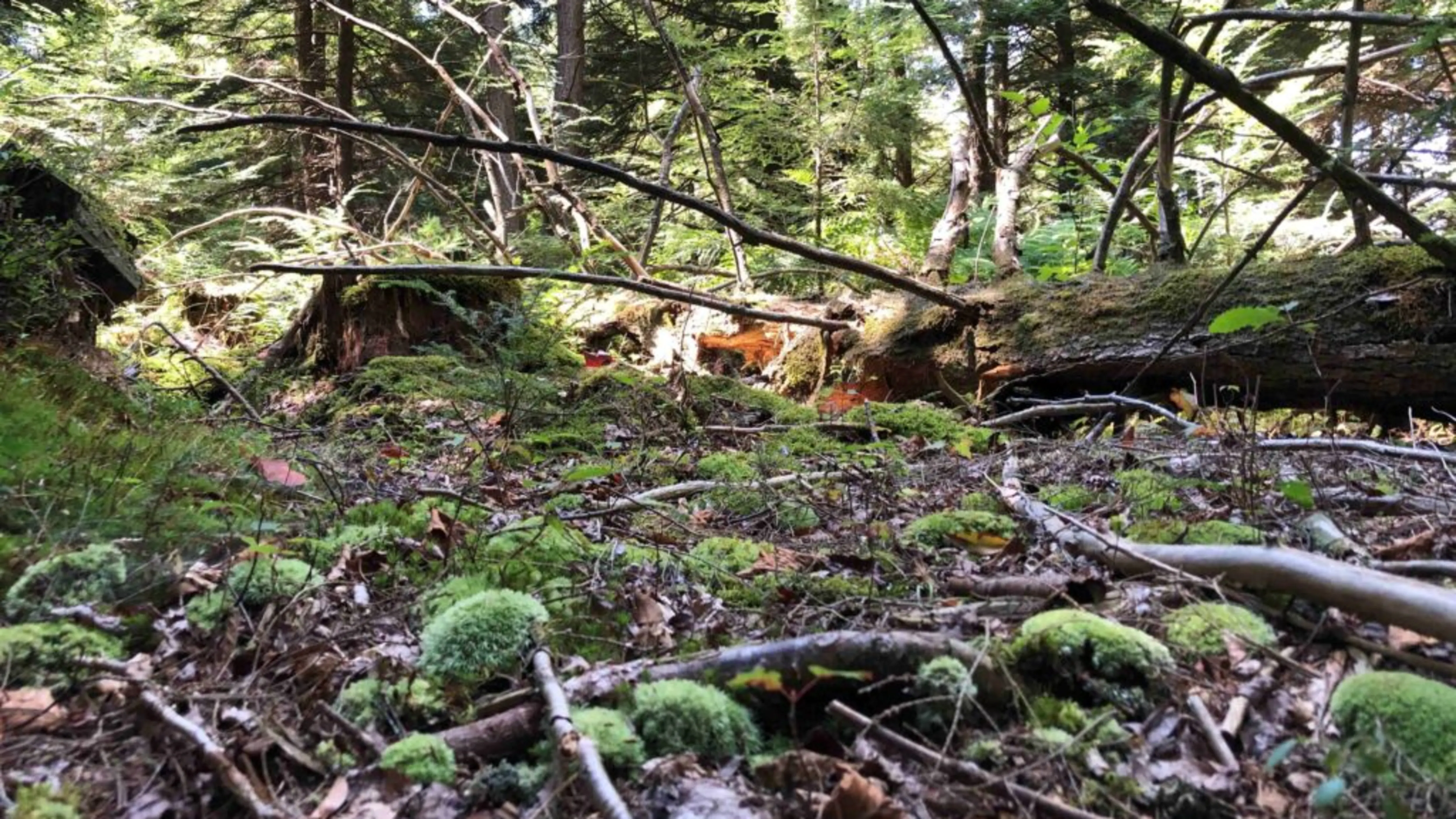
This forested property has significant conservation value and is located within the Ormsby Swamp Natural Heritage Area, which hosts a variety of habitat types and a wealth of rare species. Those important species, including two plant, four butterfly and six dragonfly species of conservation concern in Pennsylvania. The site is also a large wetland complex comprised of upland forest, shrub thickets, open bog areas and several small ponds that form the headwaters of Little Black Brook, a tributary to Kinzua Creek. The Pennsylvania Natural Heritage Program’s McKean County Natural Heritage Inventory lists the Ormsby Swamp Natural Heritage Area as “Exceptional Significance” due to the variety of important habitats and rare species.
Although this area is open to the public, it has no trail access and visitors should use caution when navigating this uninhabited forested wetland. The conservancy will make improvements in the near future to enhance parking availability and trail access. Visitors should also be aware that Collins Pine is permitted to continue conducting stainable forestry operations and stewardship on some sections of the preserve.
In addition to funding from the Babcock Charitable Trust, this acquisition was made possible thanks to grants from the PA Department of Conservation and Natural Resources Bureau of Recreation and Conservation’s Keystone Recreation, Park and Conservation Fund, Hamer Foundation and Hillman Foundation. Funding was also provided by the estates of Helen B. Katz and Charles Romesburg through their bequests.

This post originally appeared on the WeConservePA blog.
The views, thoughts and opinions expressed in this blog are the author's own and do not necessarily reflect the views of the Land Trust Alliance, its staff, its board of directors or any other individuals associated with the organization.