The importance of pollinators
June 19-25 is Pollinator Week, an annual celebration in support of pollinator health.

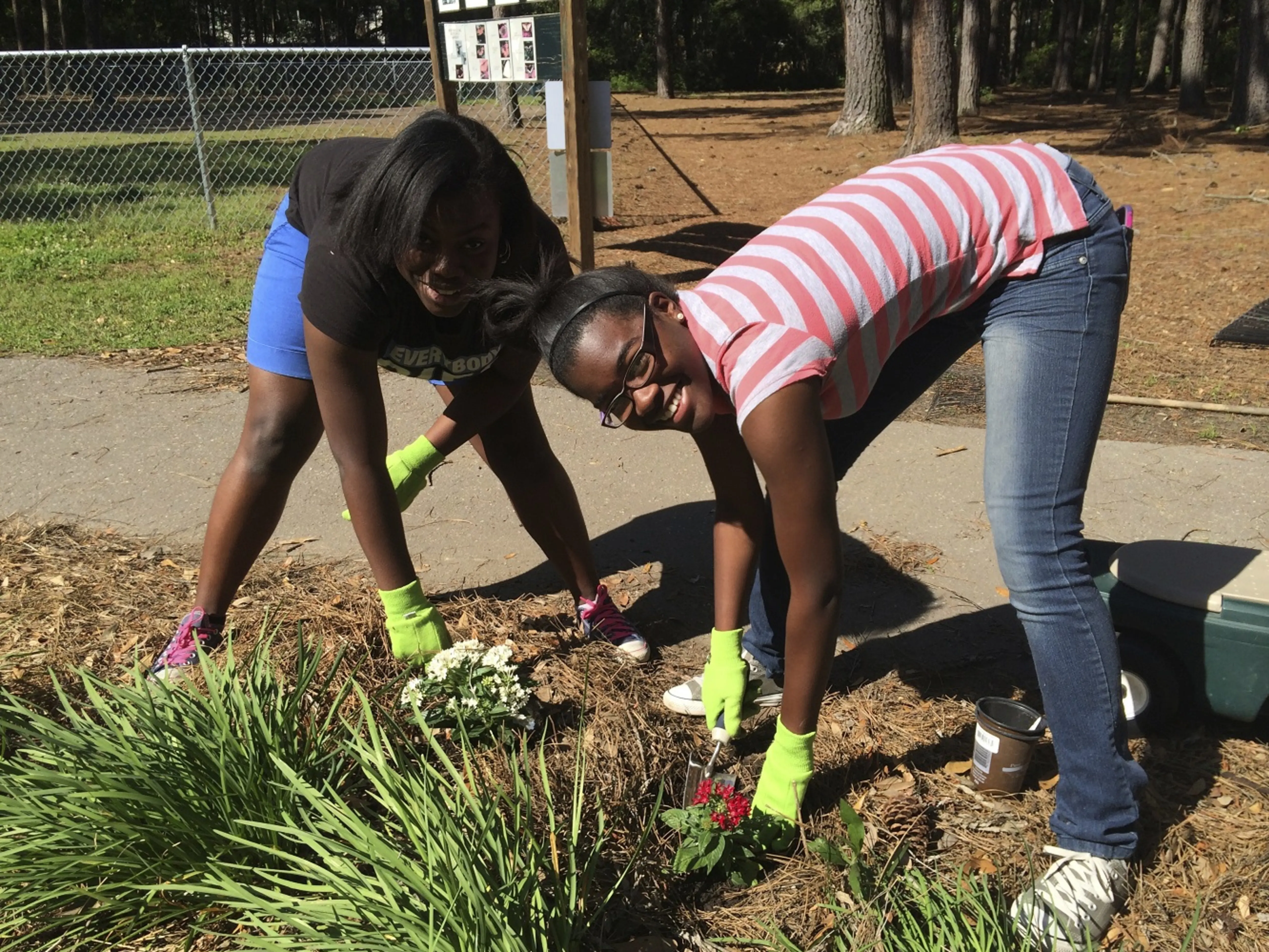
June 19-25 is Pollinator Week, an annual celebration in support of pollinator health that was initiated and is managed by Pollinator Partnership. To highlight Pollinator Week, the Land Trust Alliance applauds land trusts across the country working to protect bees, butterflies and all types of pollinators, including the accredited Lowcountry Land Trust in Charleston, South Carolina, which is hosting Pollinator Palooza on June 21. Pollinator Palooza guests will learn about the native plants and gardening practices that support local pollinators and can expect to enjoy pollinator-themed activities such as creating wildflower seed balls and tasting honey, and have an opportunity to tend to the pollinator garden and plant newly donated natives.
The piece below was written by Victoria Bock and originally published on the Ebb & Flow Blog on the Lowcountry Land Trust website.
The importance of pollinators and how to attract them
By: Victoria Bock
Pollinators play a crucial role in our ecosystem by facilitating the reproduction of plants, ensuring food security and maintaining biodiversity. Bees, butterflies, birds and other pollinators enable plants’ fertilization process and the production of seeds and fruits. However, pollinators face numerous threats such as habitat loss, pesticide use, climate change and diseases, which have led to their decline worldwide.
To help protect and support pollinators, it is essential to create habitats that attract and sustain them. Here are some tips to attract pollinators to your garden or outdoor space:
Plant a diverse range of flowering plants: Choose a variety of plants with different shapes, sizes and colors to provide nectar and pollen throughout the year. Native plants are particularly beneficial as they have co-evolved with local pollinators and are well-adapted to their needs. Popular local nursery Roots & Shoots specializes in sourcing Southeastern natives that pollinators love.
Provide a water source: Pollinators require water for hydration, especially on hot days. Create a shallow water source, like a birdbath or a small pond with a gentle slope, to allow easy access for them to drink without drowning.
Avoid or minimize pesticide use: Pesticides can be harmful to pollinators, so opt for natural pest control methods and use pesticides only as a last resort. If pesticides are necessary, choose products that are specifically formulated to be safe for pollinators.
Create nesting sites: Different pollinators have varying nesting requirements. For example, solitary bees may nest in bare ground or hollow stems, while butterflies need specific host plants for their caterpillars. Provide diverse nesting opportunities by leaving some areas of bare soil, incorporating wood piles or setting up bee houses and butterfly shelters.
Maintain blooming periods: Aim to have a continuous succession of blooming plants throughout the growing season. This ensures a consistent supply of food for pollinators and encourages their presence in your garden.
Educate and spread awareness: Share your knowledge about the importance of pollinators with others. Engage in community initiatives or participate in local conservation projects to promote pollinator-friendly practices on a broader scale.
By attracting and supporting pollinators, we contribute to the health of our environment and enhance the beauty and productivity of our gardens. Every small effort to create pollinator-friendly spaces can make a significant impact on the survival and well-being of these vital creatures.
In honor of National Pollinator Week, Lowcountry Land Trust, in partnership with The Bee Cause Project, Mount Pleasant Waterworks, Roots & Shoots Nursery and the Tri-County Master Gardeners, will host a Pollinator Palooza at Marsh View Trail in Mount Pleasant. The free, family-friendly event will take place on June 21, 2023, from 10 a.m. to 2 p.m., and guests are welcome to drop-in at their leisure.