Students and scientists team up for dragonflies
Community scientists around the country are joining forces in the nation’s largest assessment of mercury contamination.
This story originally appeared in the Spring 2024 issue of Saving Land magazine.
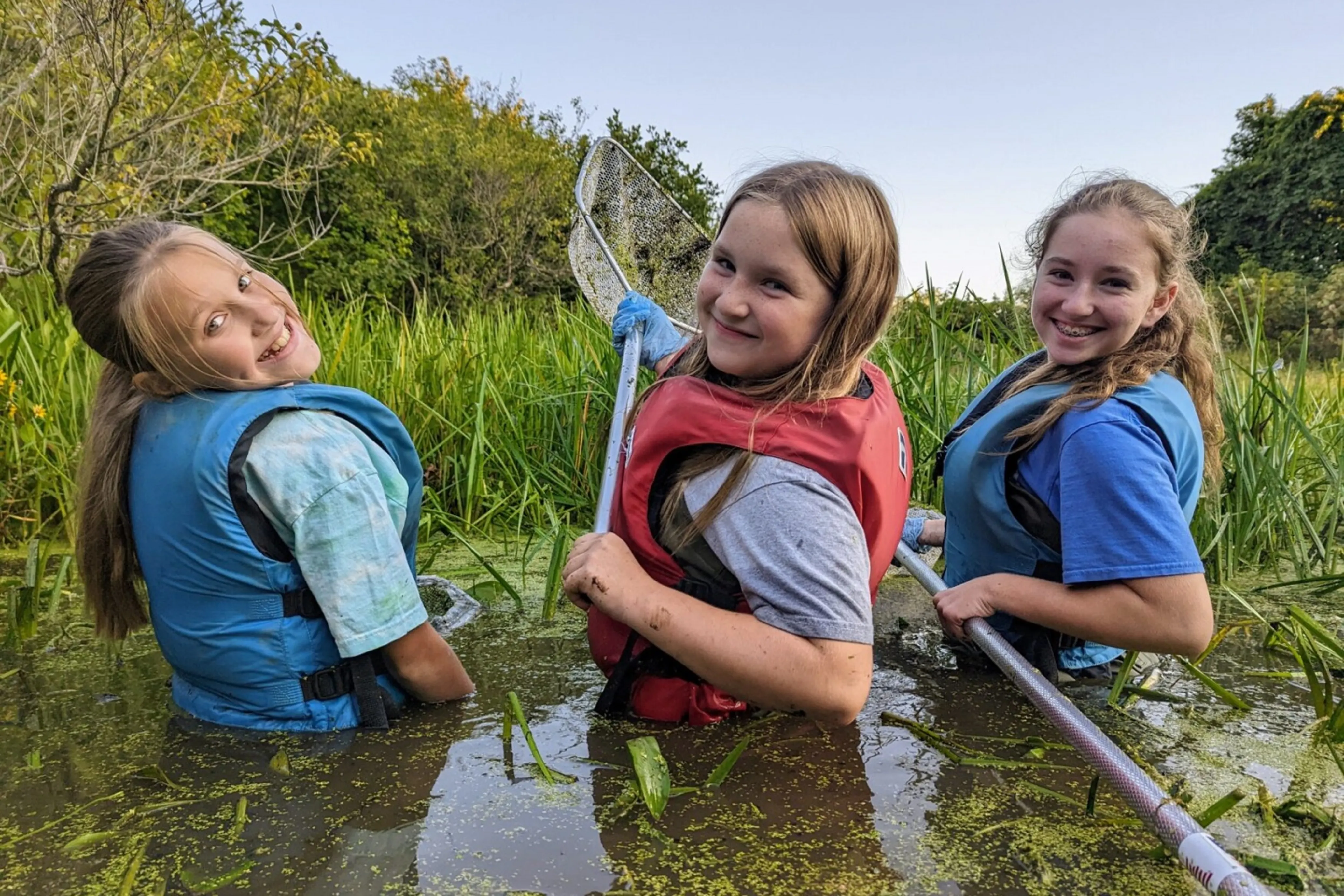
Community scientists around the country are joining forces in the Dragonfly Mercury Project, a nationwide effort to collect dragonfly larvae for mercury analysis. The field data is helping scientists and resource managers better understand and fight contamination from mercury, a global pollutant that can be toxic to humans and wildlife.
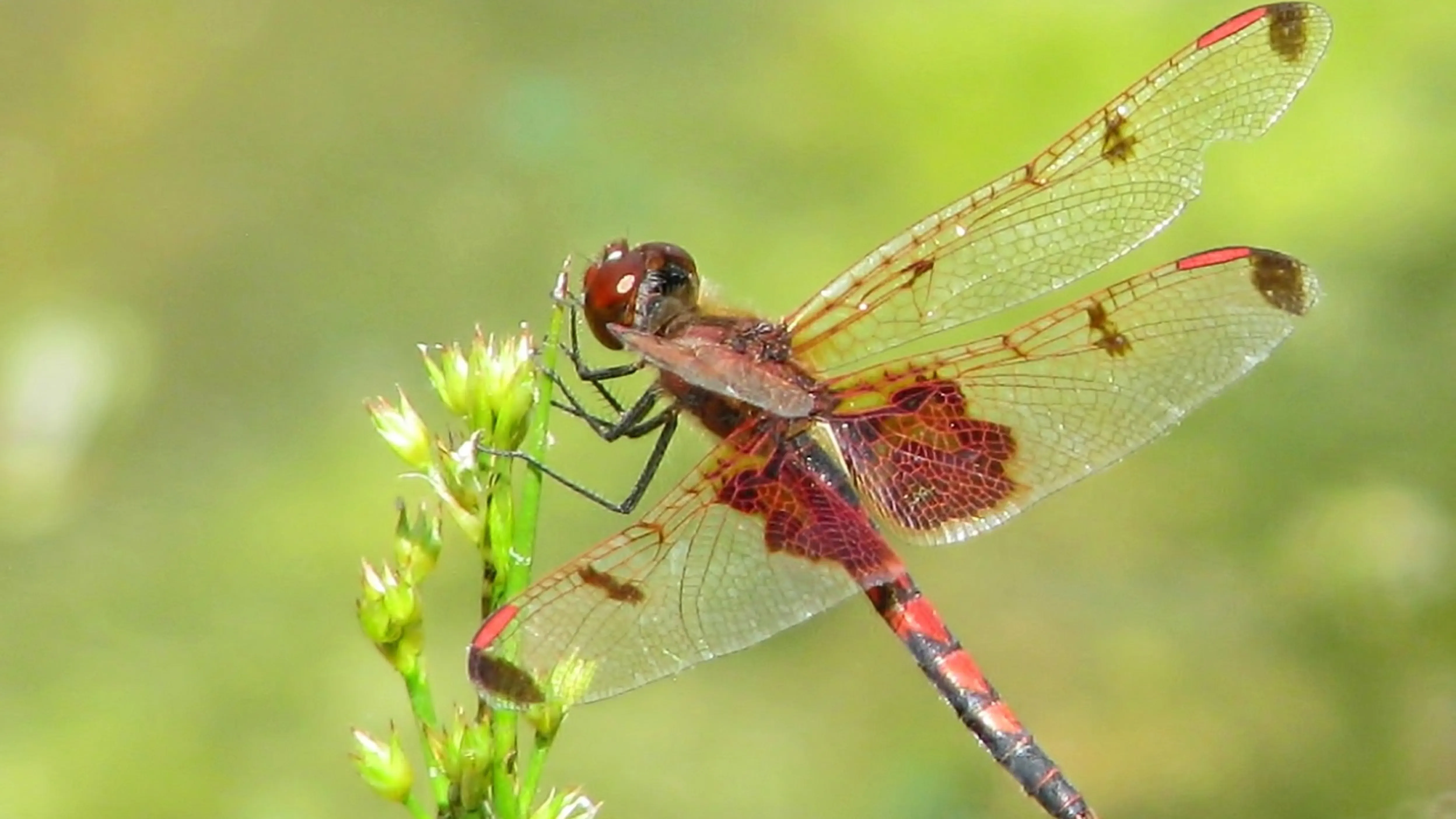
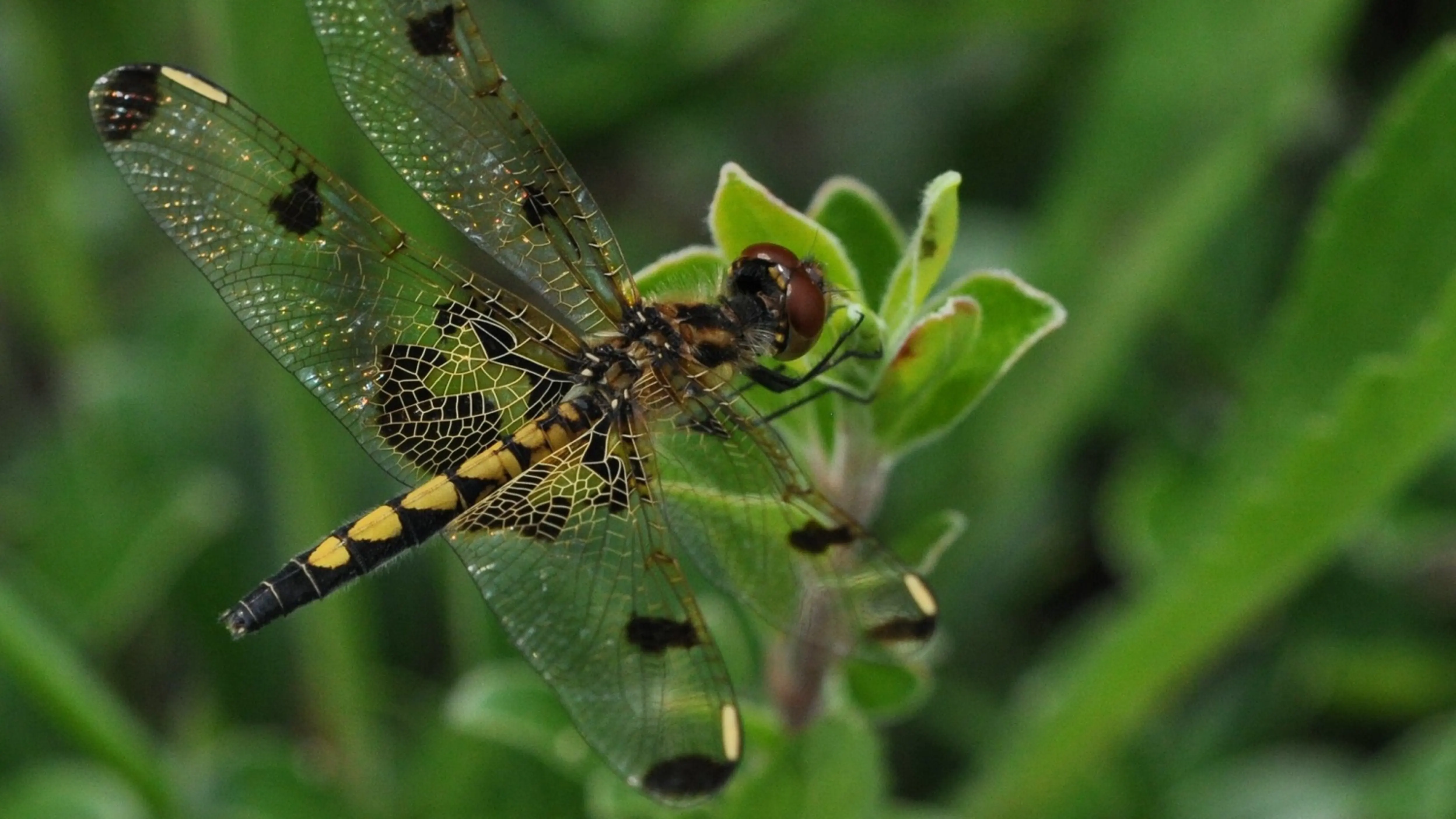
Dragonfly larvae live in the water before they molt and fly away. When fish eat the dragonfly larvae and people eat fish, mercury travels up the food chain. Dragonflies are considered bioindicators of mercury, and concentrations in dragonfly larvae have been positively correlated with mercury concentrations in fish and amphibians living in the same environments, providing a tool to predict mercury exposure in other wildlife.
More than 6,000 volunteers have helped collect dragonfly larvae at more than 140 parks and other protected areas in the nation’s largest assessment of mercury contamination.
Since 2021, volunteers from the accredited Lowell Parks & Conservation Trust have contributed to research in the Merrimack River watershed of New Hampshire and Massachusetts, along with other local organizations. The community science project helps students and land trust volunteers gain practical science skills and protect the ecosystem of the watershed, where decades of pollution from industrial sources affect communities today.
The Merrimack Dragonfly Mercury Project recently created story maps in four languages to connect Lowell’s history to the research. Versions in English, Spanish, Portuguese and Khmer (Cambodian) can be viewed online here. To join the effort, visit nps.gov/articles/dmp-get-involved.htm.