South Carolina land trust works with landowners to protect 3,700 acres on the Great Pee Dee River
“The Witherspoon Island project is really special, not only due to its sheer size but also because of its history and extensive frontage on the Pee Dee River."

The views, thoughts and opinions expressed in this blog are the author's own and do not necessarily reflect the views of the Land Trust Alliance, its staff, its board of directors or any other individuals associated with the organization.
Pee Dee Land Trust proudly partnered with private landowners, brothers, Chase and Charles Howard, to permanently protect Witherspoon Island, located on the Great Pee Dee River in Darlington County. The conservation of 3,708 acres of Witherspoon Island marks the largest conservation easement in Pee Dee Land Trust’s 25-year history.
"The large majority of the 110 current conservation easement properties Pee Dee Land Trust holds across the Pee Dee Watershed are privately owned working farms and forests,” said Lyles Cooper, executive director at Pee Dee Land Trust. "Working with the Howards to plan their land legacy for Witherspoon Island has been a true pleasure; we are permanently protecting a huge piece of history and one of the largest intact family-owned managed forests in our area.”
The documented history of Witherspoon Island dates to the mid-1800s with agricultural and silva culture management. Armstrong J. Howard, Chase and Charles’s great-grandfather, purchased the island in 1904. In addition to farming and timber management, the Howard’s organized the Witherspoon Island Hunting Club in 1919. More than 3,000 acres of the property, including all the 7.75 miles of water frontage, was sold to Sonoco in 1995, with members of the Howard family retaining ownership of the interior parcels.
“We finally had the opportunity to buy back the island in early 2024 and we immediately started planning our conservation easement with the land trust,” said Chase Howard. “Our overall goal was to permanently protect Witherspoon from ever being broken up again to preserve the many conservation values of this unique land, while still having the ability to continue our sustainable timber management of the upland pines on the island.”
The Great Pee Dee River surrounds Witherspoon Island along the eastern portion of the property and Lowther’s Lake to the north, west and southern edges. Included in the conservation easement terms is the preservation of an approximately 100+ foot buffer around the entire perimeter of the island, totaling more than 118 acres, thus helping to protect the ability of the old-growth hardwood trees to provide water filtration, flood mitigation, habitat for wildlife and scenic beauty along the waterways.
“Our family is deeply connected to Witherspoon Island and working with the land trust to conserve this special place gives us true satisfaction that it will stay much as it is for future generations to enjoy,” said Charles Howard. “We didn’t do the conservation easement for the incentives, but the grant funding from the South Carolina Conservation Bank, along with the Federal tax deductions and State tax credits, were instrumental in our ability to buy back our family’s land.”
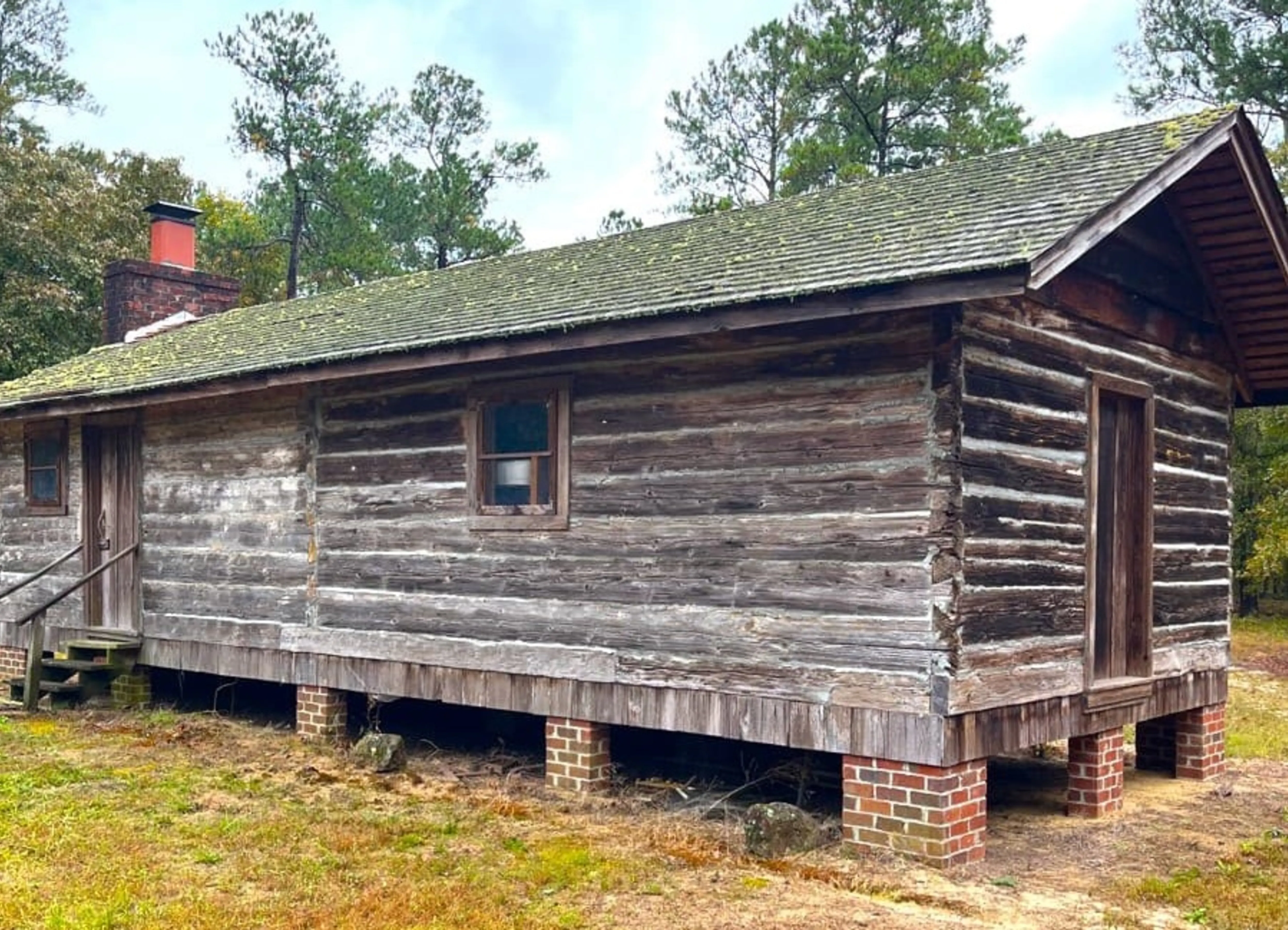
The limited infrastructure on the island is mostly primitive as there are only hand pump wells for water and generators that provide lighting at a few of the cabins on the property. Several cabins were rebuilt over the years using hand-hewn heart cypress logs and planks from structures dating back to the 1800’s. Additionally, much of the 20 miles of earthen dikes that John D. Witherspoon built in the mid-1800s are still intact today.
“The Witherspoon Island project is really special, not only due to its sheer size but also because of its history and extensive frontage on the Pee Dee River,” said Raleigh West, executive director of the South Carolina Conservation Bank. “The protection of Witherspoon Island adds to the 19 already protected private properties in the Back Swamp community of Darlington and Florence Counties, which now totals over 10,500 acres of conservation easements held by Pee Dee Land Trust.”
Witherspoon Island has five miles of forested wetlands along Lowthers Lake and 2.75 miles along the Great Pee Dee River. What was once a ferry crossing using a pulley system and raft for crossings has been replaced with a slender bridge from the base of the Darlington County Whipple Landing. The public sandbars at the landing have long since been a place for locals to gather to swim, fish and boat on Lowthers Lake. The City of Florence’s main water intake on the Great Pee Dee River is less than a mile downstream of Witherspoon Island.
From the high sandy hills in the island’s center to the open fields to the beautiful lowland swamps, this amazingly diverse and unique habitat will forever be kept intact. Black and white photos from early hunts and picnics on the property line the walls of the rustic hunt cabins. Many of the fields that were once used for row crop production are now used for timber management and there are several small food plots for wildlife throughout the forest. The property touts large numbers of wild game such as deer, turkey, hogs and ducks, along with hundreds of species of mammals, birds, fish, reptiles and insects.
Conservation easements are complex permanent legal documents that lay out the future reserved rights and restrictions for the property. Pee Dee Land Trust staff worked diligently with the Howards to explain the process, assist with detailed planning for the future of the property, apply for a grant on the landowner’s behalf, foster the due diligence and organize the communications between all the parties involved.
This article was originally published by Pee Dee Land Trust on its website.