Rallying a region to climate action
For more than two decades, Mississippi Valley Conservancy has worked to preserve and protect the unique natural beauty and biodiversity of Wisconsin's Driftless region.
Across the country, land trusts are recognizing that climate action is a natural extension of their conservation missions, and, together, are creating meaningful impact to address this global threat. Through its Land and Climate Program, the Alliance scales this impact by equipping land trusts with the knowledge, tools and support needed to identify and protect resilient lands in communities across the nation.
The views, thoughts and opinions expressed in this blog are the author's own and do not necessarily reflect the views of the Land Trust Alliance, its staff, its board of directors or any other individuals associated with the organization.
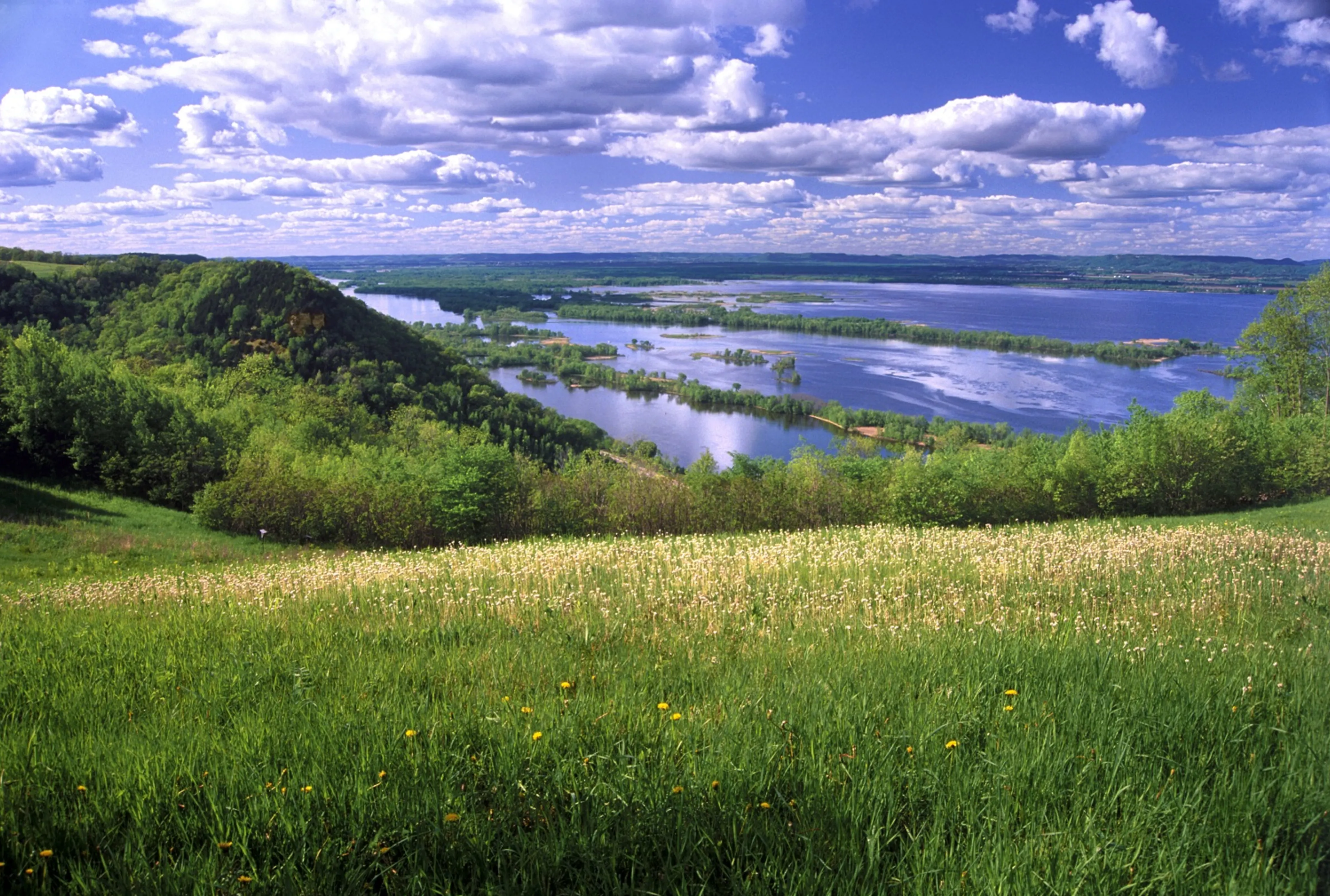
The Driftless region of southwestern Wisconsin is one of the most iconic landscapes in the country, home to rugged hills and bluffs, winding streams, small farms and abundant wildlife. For more than two decades, Mississippi Valley Conservancy has focused on conserving the region’s unique natural beauty and biodiversity, having protected nearly 27,000 acres across its nine-county service area.
But the impacts of climate change are already disrupting what makes the Driftless so special. Intense rainfall events are overwhelming the region’s delicate watersheds and degrading stream banks that buffer tributaries to the upper Mississippi River. New threats from invasives threaten many of the region’s native species.

To executive director Carol Abrahamzon, the coming change was evident — but so, too, was the reality facing the Conservancy.
“Only seven or eight years ago, our land trust was passionate but not particularly strategic, and climate change wasn’t even a part of our project criteria,” Abrahamzon said. “We began by updating our strategic plan to include climate goals, but soon realized we needed help.”
With support from the Land Trust Alliance’s Land and Climate Program, the land trust developed the organization’s first comprehensive climate action plan. Building on updates to its strategic plan, the climate action plan wove climate science into every aspect of decision-making and project planning. For instance, the plan helped focus Mississippi Valley Conservancy’s land protection strategy on creating macro-landscapes, such as lands adjacent or very close to existing conservation sites, to support biodiversity in a changing climate. Importantly, it also included actions that engage local residents in addressing the changing climate, helping to build support among residents.
“What began as informal conversations among our board and staff has really transformed our whole approach to conservation,” said Abrahamzon.
The climate action plan includes a strong focus on communications and outreach. The land trust mailed the final plan to all its members with a clear call to action: protecting land is vital to addressing climate change in the Driftless. Its website now features a dedicated climate section, and climate-focused content appears regularly in newsletters and social media posts. Educational workshops, volunteer restoration opportunities and outreach to landowners all now emphasize how residents’ actions contribute to addressing climate change.
For instance, the land trust’s summer restoration interns will spend a portion of their time assisting the organization’s easement landowners — landowners get a restoration crew for a day. The interns will work with a landowner to identify a climate-minded restoration project, conduct on-site management, and explain, as needed, the climate benefits of the project. At the end of the day, the interns will explain the climate benefits of the project, as well as its true total cost for Mississippi Valley Conservancy, and ask the landowner for a donation to support this important work.
The climate action plan has also influenced how the land trust manages working lands and restores habitat. At the 1,600-acre Plum Creek Nature Preserve, which includes a sustainable agriculture demonstration site, Mississippi Valley Conservancy is piloting practices to help with species’ adaptation, all of which are tailored to the region’s expected future climate conditions. This has included planting more diverse species of oak trees, reintroducing prairie to grazing sites, and restoring streambanks that have been worn down by erosion.

“The support from the Alliance really gave us the time, space, and resources that we needed to figure this out at Mississippi Valley Conservancy,” explained Abrahamzon.
And the organization’s strategy, combining a focus on adaptation, resilience and stewardship, has created a blueprint for other land trusts to follow.
“Addressing climate change through land conservation is ongoing and ever-evolving work,” said Abrahamzon. “My advice to other land trusts is to be patient and give yourselves grace. Remain focused on the goal, stay grounded in science and lean on your community for support.”
This case study was prepared by Bold Bison Communications & Consulting on behalf of the Land Trust Alliance.