Protecting and restoring our forests can provide a massive boost in the climate fight
The Integrated Global Forests Assessment shows diverse forests have the potential to capture approximately 226 billion metric tons of carbon if ecosystems are protected and forests allowed to recover.
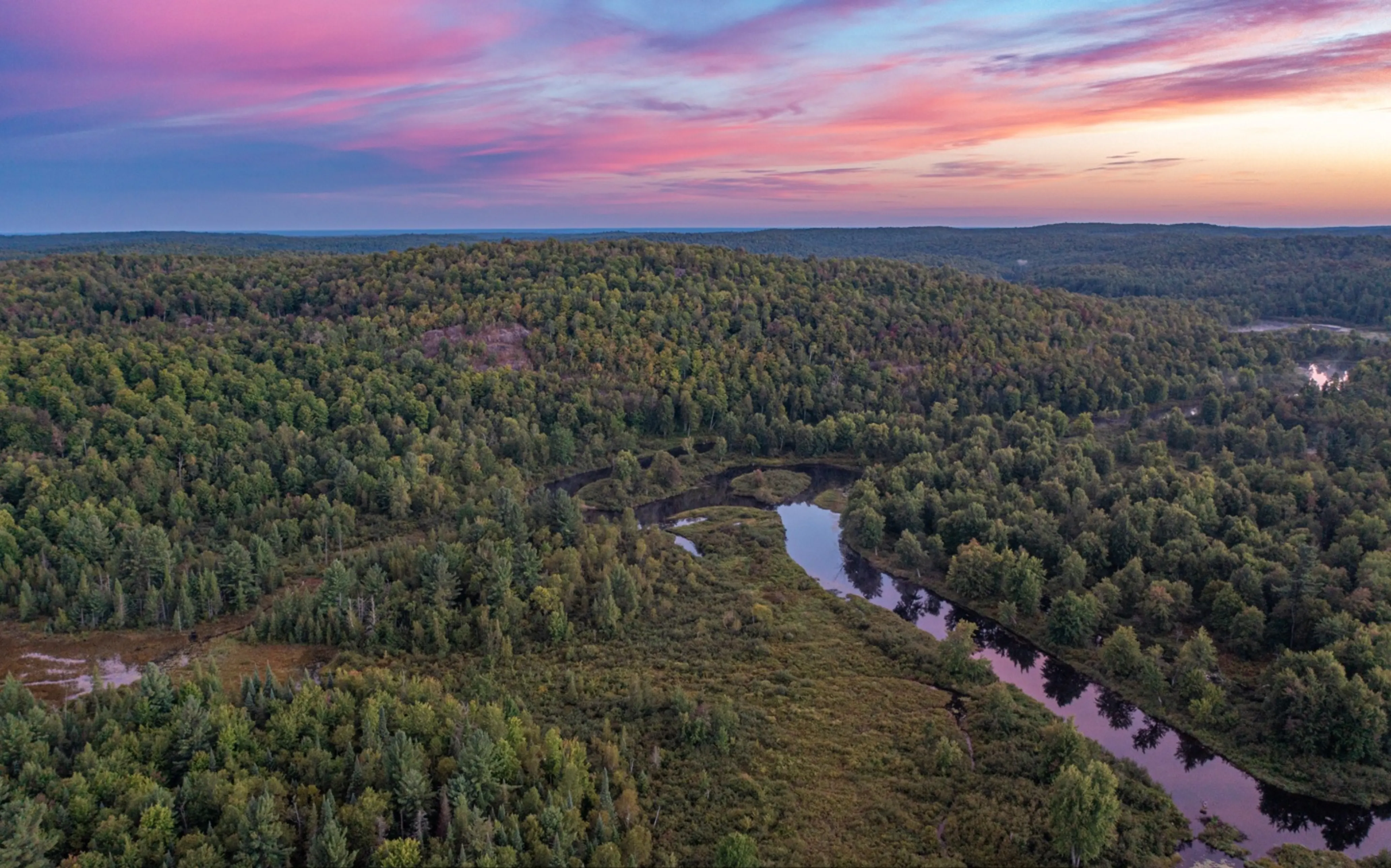
A new study — published in the journal Nature — takes a deeper look at the importance of nature and forests in curbing climate change and their ability to capture carbon from the atmosphere. The study made national headlines, including in The New York Times and The Guardian.
Led by Crowther Lab and co-authored by more than 200 scientists from around the world, the Integrated Global Forests Assessment shows diverse forests have the potential to capture approximately 226 billion metric tons of carbon in regions with low human footprint if ecosystems are protected and forests allowed to recover.
From The Guardian:
By allowing existing trees to grow old in healthy ecosystems and restoring degraded areas, scientists say 226 gigatonnes of carbon could be sequestered, equivalent to nearly 50 years of U.S. emissions for 2022. But they caution that mass monoculture tree-planting and offsetting will not help forests realize their potential.
Humans have cleared about half of Earth’s forests and continue to destroy places such as the Amazon rainforest and the Congo basin that play crucial roles in regulating the planet’s atmosphere.
The study found that the greatest proportion of carbon capture (61%) can be achieved by conserving the ecosystems that we already have. The study’s authors hope this information can help set targets for forest protection and restoration worldwide and “help inform policies that channel financial flows towards local communities and Indigenous peoples who are promoting biodiversity around the world.”
The good news is that land trusts are uniquely positioned to help private forest owners protect and manage their lands while also educating the public about the benefits of forest conservation to the environment and economy. As Earth.com noted: “The study emphasizes the importance of community-driven efforts in conserving and restoring forest biodiversity to achieve these carbon capture goals.” Protecting forests helps preserve biodiversity and safeguard the ecosystem benefits forests provide such as stormwater mitigation, temperature regulation, carbon sequestration and climate resiliency. And here at home in the United States, hundreds of land trusts across the country are working to protect, steward and restore our natural forests to help maximize the power of nature to fight climate change.
Further Reading: The New York Times, "How Much Can Forests Fight Climate Change? A Sensor in Space Has Answers." Dec. 8, 2023.