Land trusts respond to Hurricane Helene
While the land trust community enjoyed Rally 2024 in Providence, Rhode Island, a different type of event was unfolding in the South: Hurricane Helene.

While the land trust community enjoyed Rally 2024 in Providence, Rhode Island, a different type of event was unfolding in the South: Hurricane Helene. Over numerous days, this powerful storm unleashed intense winds and rains from Florida to North Carolina. When all was said and done, Hurricane Helene caused 232 deaths and nearly $88 billion in damage, making it the deadliest hurricane to strike the U.S. mainland since Katrina in 2005.
Land trust conservation projects are critical — they support wildlife habitat, protect water quality, conserve family farms, provide outdoor recreation and even mitigate the impacts of extreme weather events. But perhaps more important is the role land trust staff and volunteers fill as caring and committed members of their communities.
In the immediate hours and days following Helene, land trust staff and volunteers in impacted areas provided direct aid to their communities — working at supply distribution centers, mucking out mud, wielding chainsaws to help clear debris and so much more. The next phase has been assessing property damage, clearing trails and restoring lands. Local land trusts have been supported by colleagues who traveled from across the region and farther to help.
Recovery efforts will likely be ongoing for months and years. Many land trust staff and volunteers were directly impacted, enduring the tragic loss of life of friends and family, as well as damage to homes, offices and lands. Their communities are suffering, and the emotional, physical and financial impacts of Helene will be long-lasting.
In late October, I went with photographer Thomas Rowell to western North Carolina, where Helene’s impacts were catastrophic. The message we heard from land trusts was: We’re in this together. Here are some of their stories.
Prioritizing natural places for people
Based in Morganton, N.C., the accredited Foothills Conservancy of North Carolina has protected over 70,000 acres in the foothills of the Blue Ridge Mountains in the western part of the state. Helene’s damage here was immense. The town of Swannanoa — where some Foothills staff live — was described as “completely and entirely erased” by the Washington Post. Fortunately, despite massive property damage, all Foothills staff members and their families were safe.
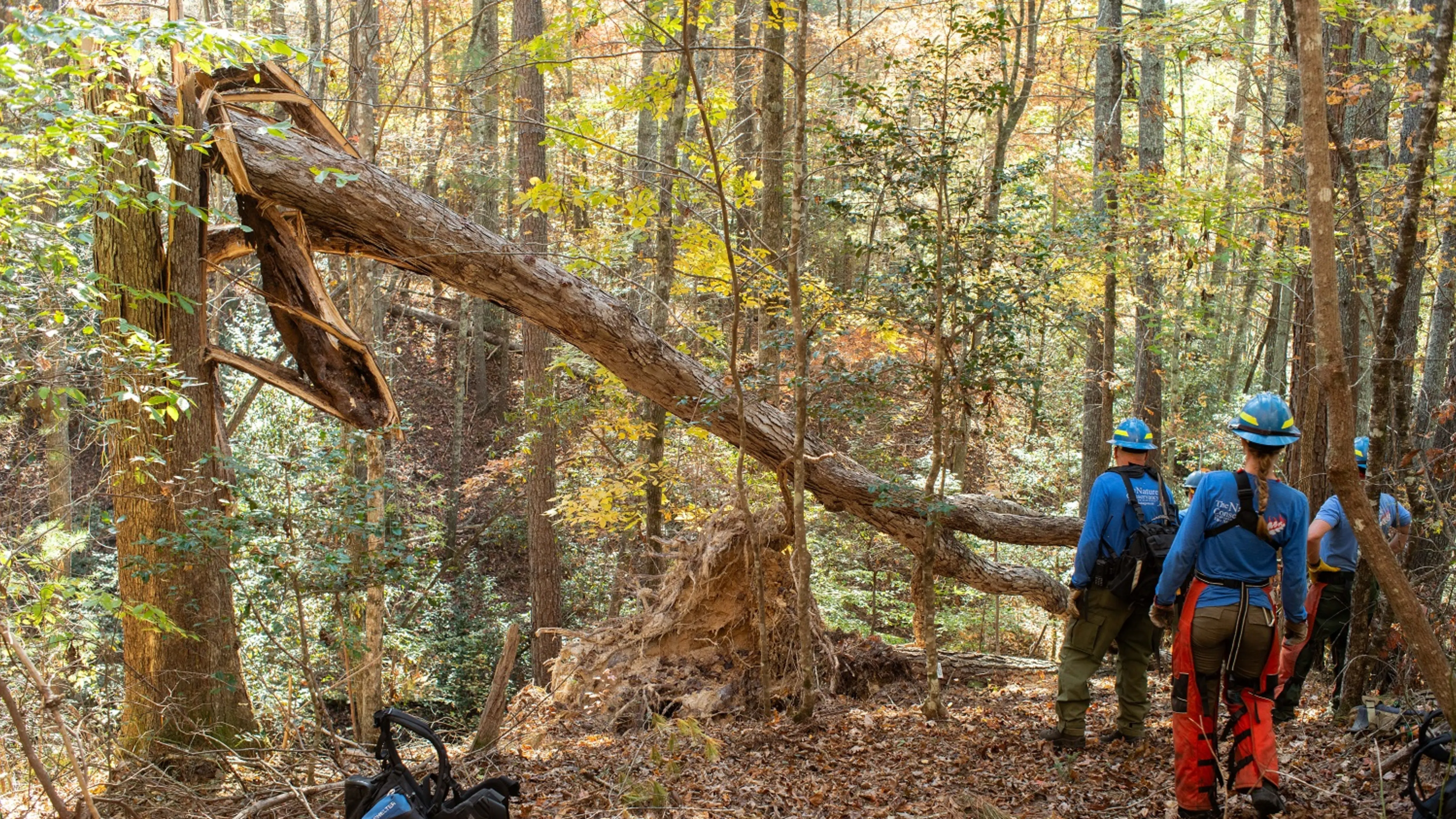

When it was possible to get back to work, Foothills prioritized the reopening of natural places for the community to take solace in. Partner organizations — including Friends of the Mountains-to-Sea Trail, Catawba Lands Conservancy, The Nature Conservancy, N.C. Forest Service and the U.S. Army — helped them to quickly reopen a beloved preserve.
The river that runs through Asheville
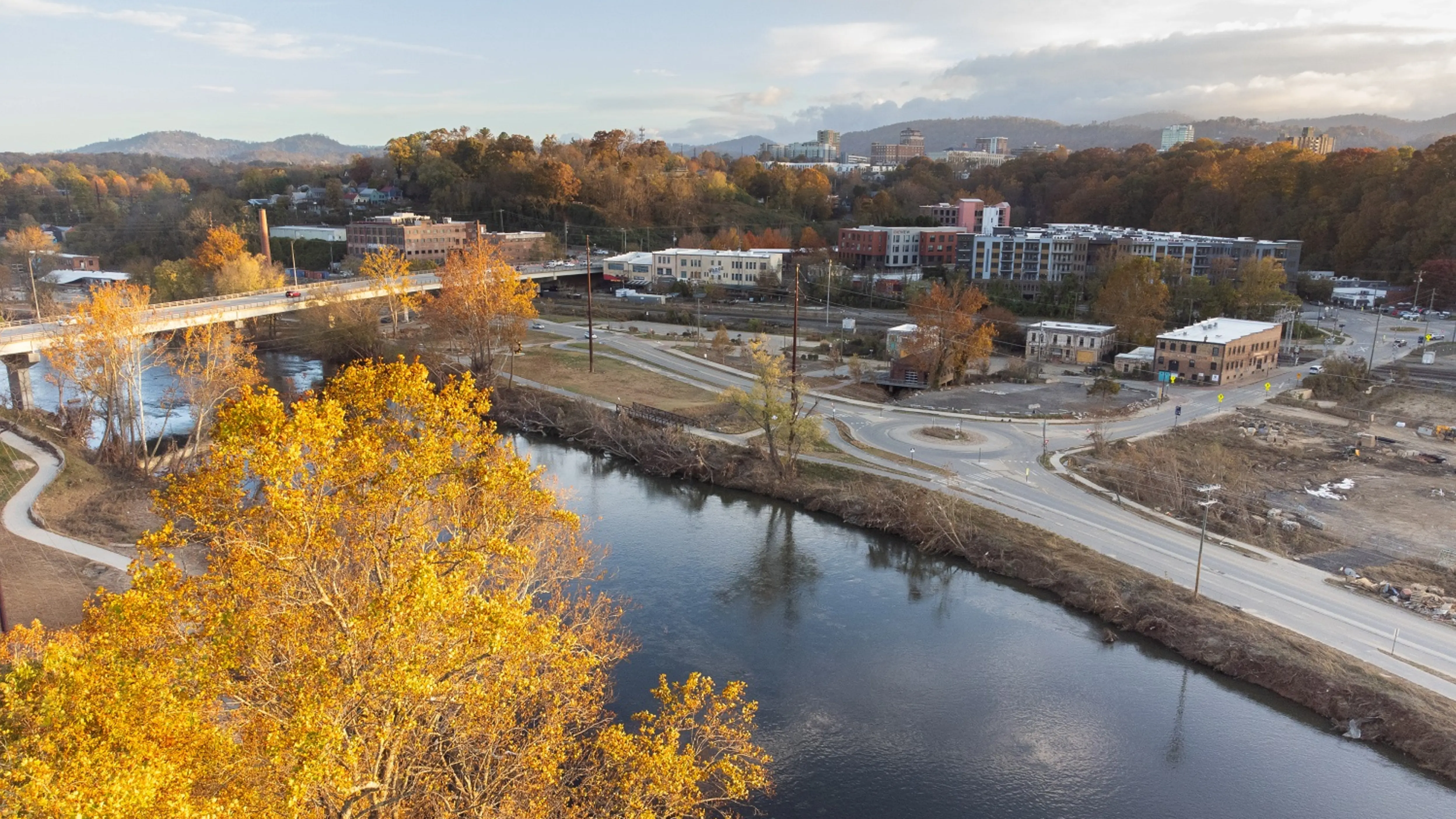
Asheville-based RiverLink is an accredited land trust that has worked to protect and enhance the environmental and economic vitality of the French Broad River and its watershed for all. The organization’s four decades of work — including watershed planning, environmental education, storm water mitigation projects and open space conservation — connects people to their environment and no doubt helped lessen the catastrophic impacts of Hurricane Helene. The hurricane caused the French Broad River to rise higher than ever recorded, flooding homes and businesses — including RiverLink’s office located in Asheville’s historic River Arts District.

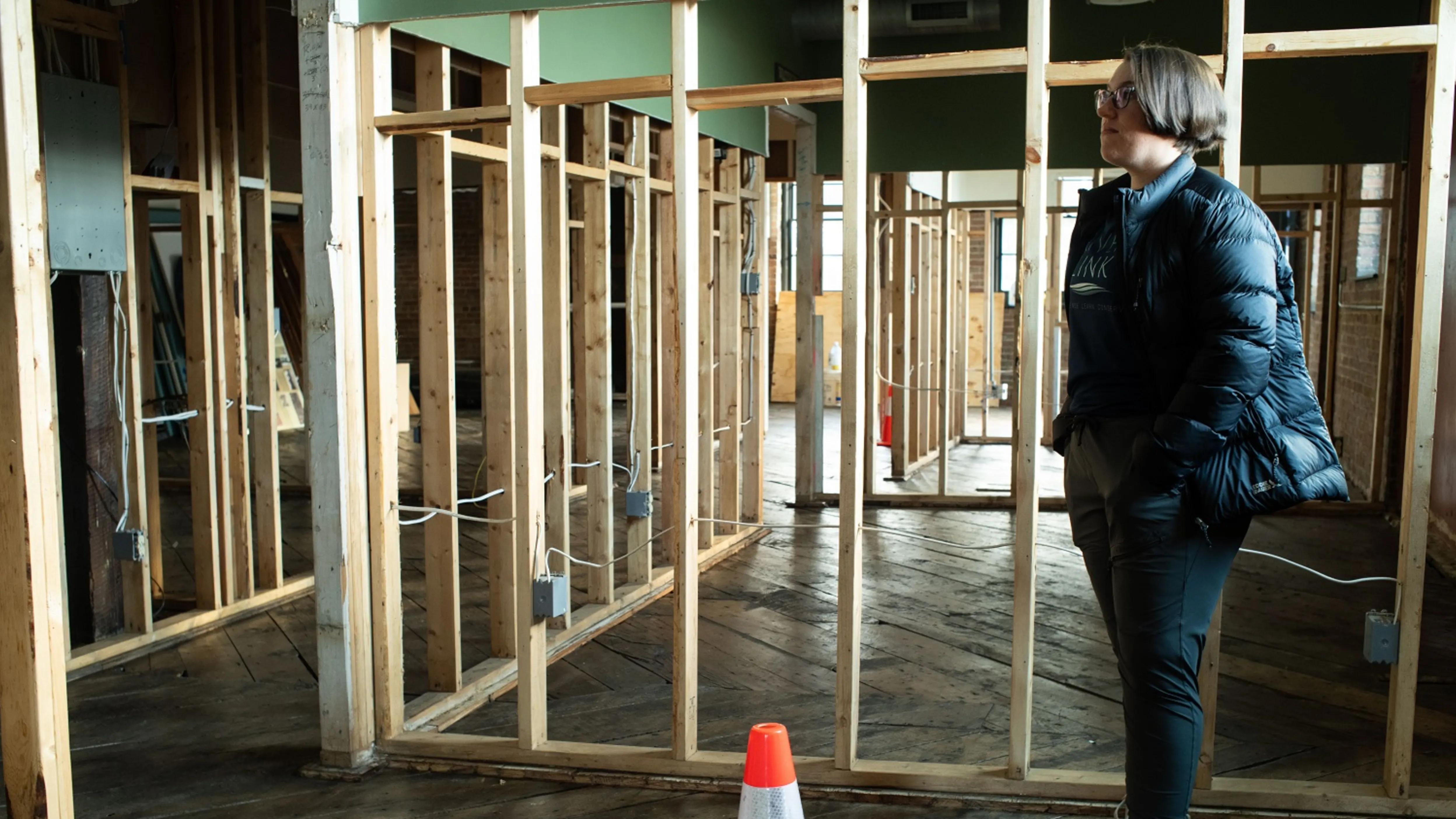
On Oct. 31, Riverlink coordinated a volunteer day with local nonprofit MountainTrue at Karen Cragnolin Park, an urban riverside park named in honor of RiverLink’s founder.


Floodplain restoration makes a difference
Conserving Carolina is an accredited land trust based in Hendersonville, N.C., south of Asheville. The organization owns and manages more than 50 properties with trails, nature preserves and restoration projects. As of the end of October, all of its publicly accessible trails remain closed, in some cases because the roads to trailheads are badly damaged or gone altogether. But Conserving Carolina staff are finding hope in their floodplain restoration work along the French Broad River. Their ambitious restoration efforts — which have included digging pools for sloughs and wetlands, replacing invasive plants with native vegetation and transforming abandoned farm fields into alluvial floodplain forest — helped reduce local flooding during Helene and alleviate some of the strain on downstream waterways.


Counting on volunteers
Saluda Community Land Trust is an all-volunteer organization dedicated to preserving farms, forest land and the rural character of Saluda, a small community in the mountains south of Asheville. The area was hit hard by landslides from Helene and the public trails on Saluda Community Land Trust’s preserves were devastated.
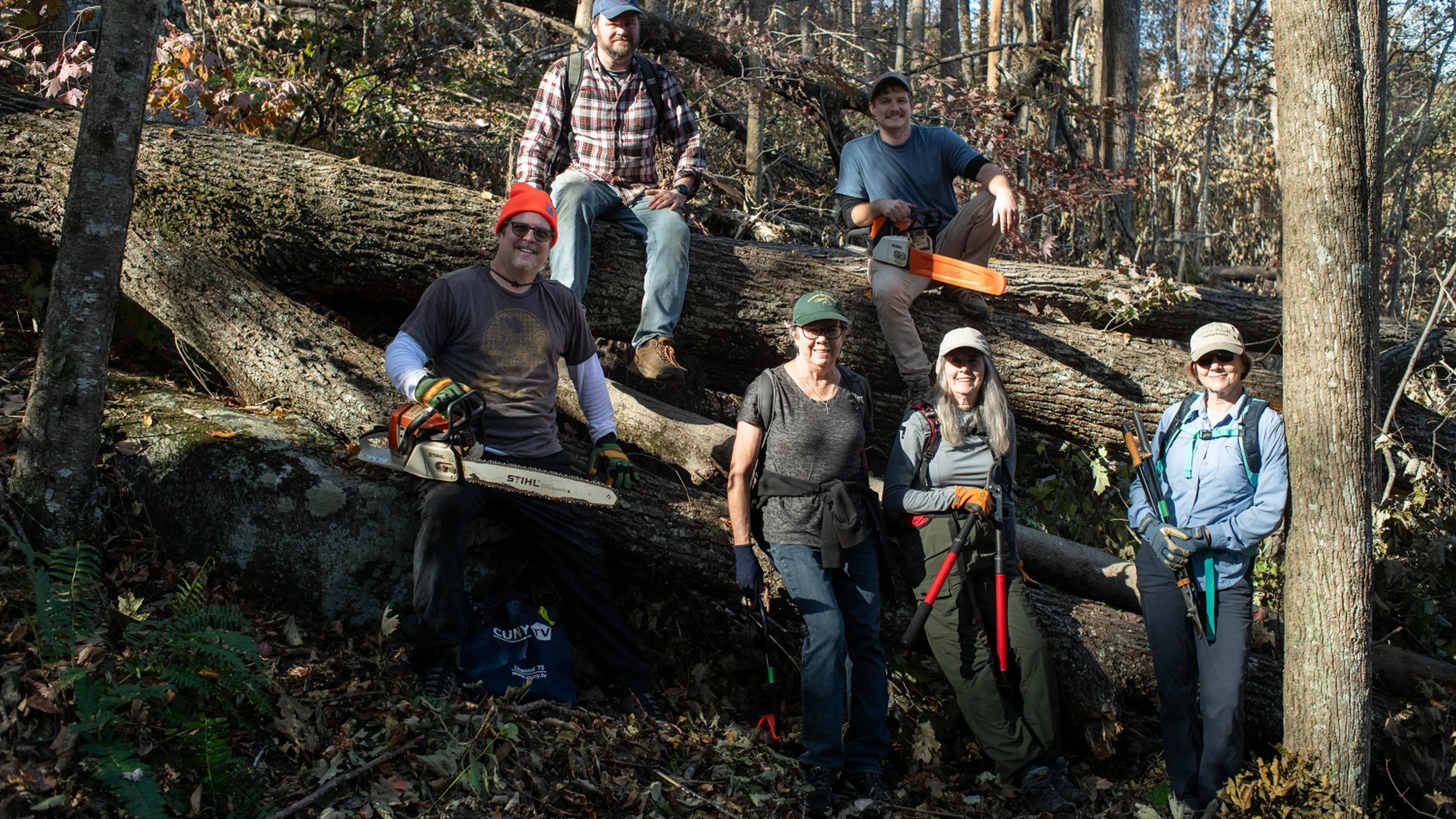

On Oct. 29, land trust volunteers worked at Round Mountain to clear the trails of trees and branches that fell in the hurricane’s high winds and heavy rain. Round Mountain has trails and a small picnic area, and the land trust plans to eventually build a looped trail system. Thanks to the hard work of volunteers over many workdays, Round Mountain is now open again for the public to enjoy.
Watch Rose Jenkins Lane of Conserving Carolina and Lisa Raleigh of Riverlink speak with Fox Carolina about Hurricane Helene relief efforts:
THOMAS ROWELL is a photographer based in Boone, N.C. Rowell is a National Geographic Explorer, a member of the Explorers Club in New York City and an Emerging League Member of the International League of Conservation Photographers. Find more of his images at www.brothermountain.com.