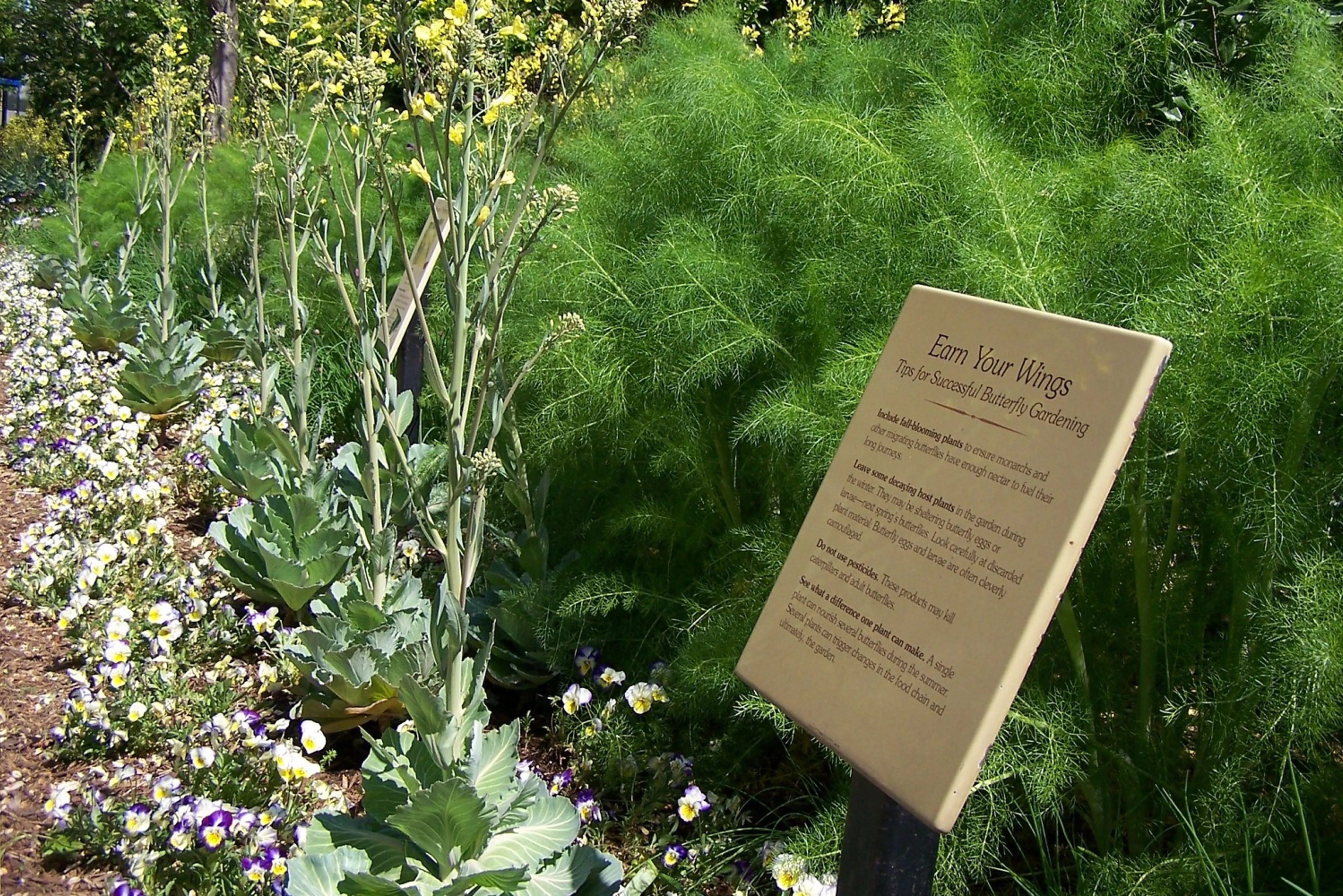
It's Pollinator Week!
Pollinators are essential for the survival of more than 80% of flowering plants, including more than 100 crops grown in the U.S.
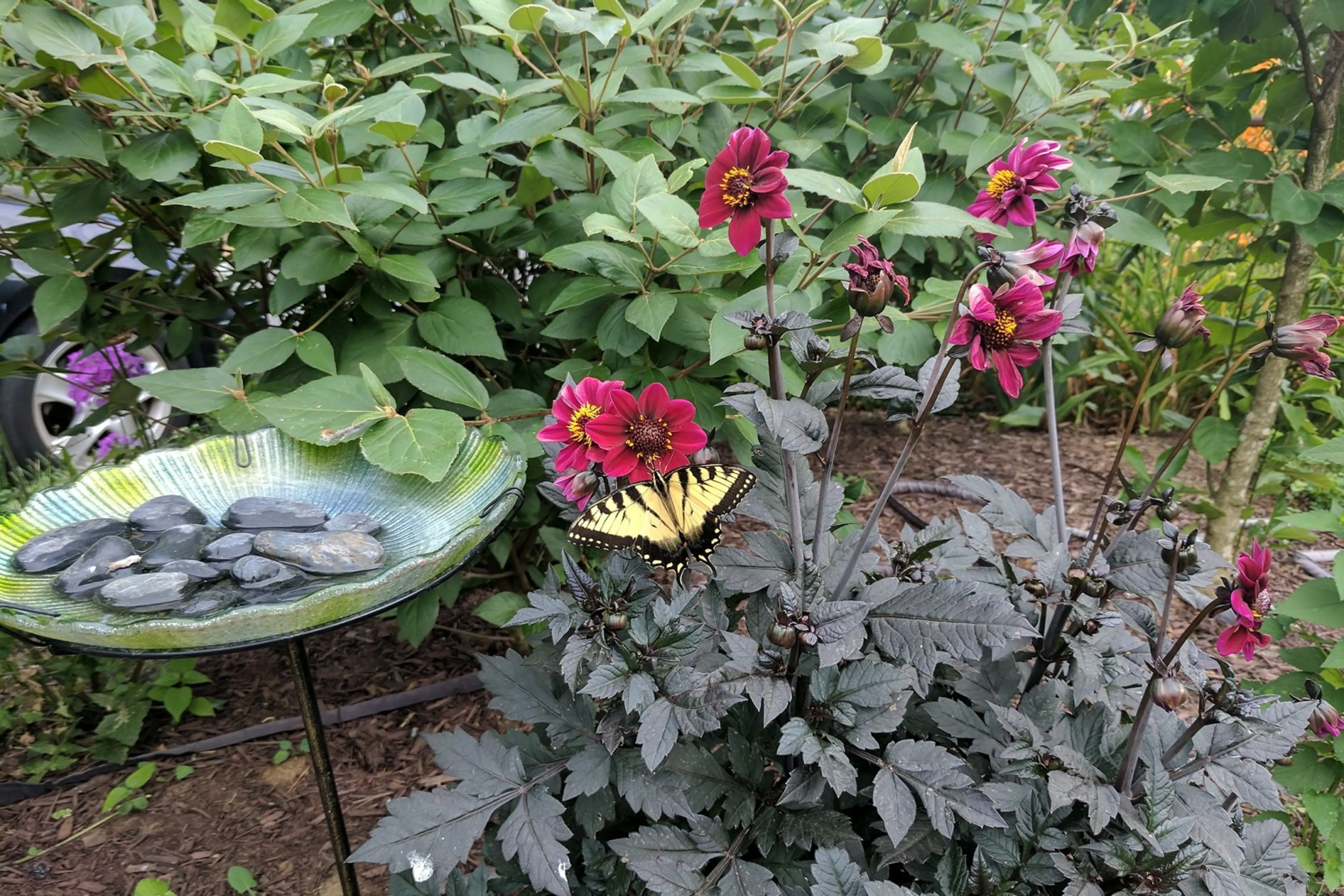
The unofficial start of summer is upon us, and the official start is not far behind. But what I’m talking about now is Pollinator Week — each year the Pollinator Partnership leads a week-long celebration to support pollinator health, raise awareness for pollinators and spread the word about what we can do to protect them. This year, Pollinator Week is June 17-23, and organizations — including land trusts — across the country are hosting events aimed at helping pollinators by protecting their habitat and educating communities about their role in our ecosystems, economies and agriculture.
Pollinators are essential for the survival of more than 80% of flowering plants, including more than 100 crops grown in the U.S. That means one out of every three bites of food we consume is thanks to the work of pollinators. Beyond providing food, pollinators contribute to healthy ecosystems that help clean the air, stabilize soils, protect against severe weather and support diverse wildlife.

To help folks get involved, the Pollinator Partnership has put together a list of individual and virtual activities that pollinator-lovers can participate in on their Pollinator Week Activities webpage.
Land trusts across the Midwest have also taken up the effort to protect pollinators:
The Land Conservancy of McHenry County in Illinois has curated a list of Pollinator Week activities happening in its region.
Kettle Moraine Land Trust is working with the University of Wisconsin-Extension’s Master Gardener Program to support a presentation by Heather Holm, a national expert and author of "Pollinators of Native Plants."
The Wright-Patterson Air Force Base’s Environmental Branch in Ohio is hosting its sixth annual Pollinator Expo on June 21 at the Wright Brothers Memorial. B·W Greenway Community Land Trust is inviting visitors to join them at their booth to learn more about pollinators and wetlands in their community.
Seno K/LRT Conservancy in Wisconsin is holding a monarch butterfly-rearing workshop, where participants will learn about the monarch’s life cycle, habitat and migration and will build a monarch butterfly-rearing box to take home.

The Natural Land Institute in Rockford, Illinois, is holding a “You Belong in Nature!” exploration event for all ages that will allow visitors to visit prairies, wetlands and woodlands, and learn all about butterflies.
The Conservation Foundation is holding a community event in Oak Brook, Illinois, to teach people how to beautify their yards while conserving water and creating a habitat for important pollinators. Staff member Beth Peluse will suggest sustainable home landscape approaches such as planting trees, incorporating native plants, installing rain barrels and reducing chemical use to make yards more eco-friendly for plants, people and pets.
But don’t worry if you don't live in the Midwest — there are plenty of things are going on across the country, including:
In Maine, York Land Trust is hosting a Native Pollinator Workshop as part of its Garden Series. Join special guest Michelle Hunt, a biologist formerly with the U.S. Fish and Wildlife Service, as she explores the region’s native pollinators and discusses methods for supporting them through gardening with native flora.
In honor of National Pollinator Week, Lowcountry Land Trust, Charleston Parks Conservancy, SC Wildlife Federation and others are hosting a day of unbeelievable outdoor fun at Magnolia Park and Community Garden in Charleston, South Carolina. Pollinator Palooza will allow visitors to learn about the many benefits of pollinators and the native plants that attract them.
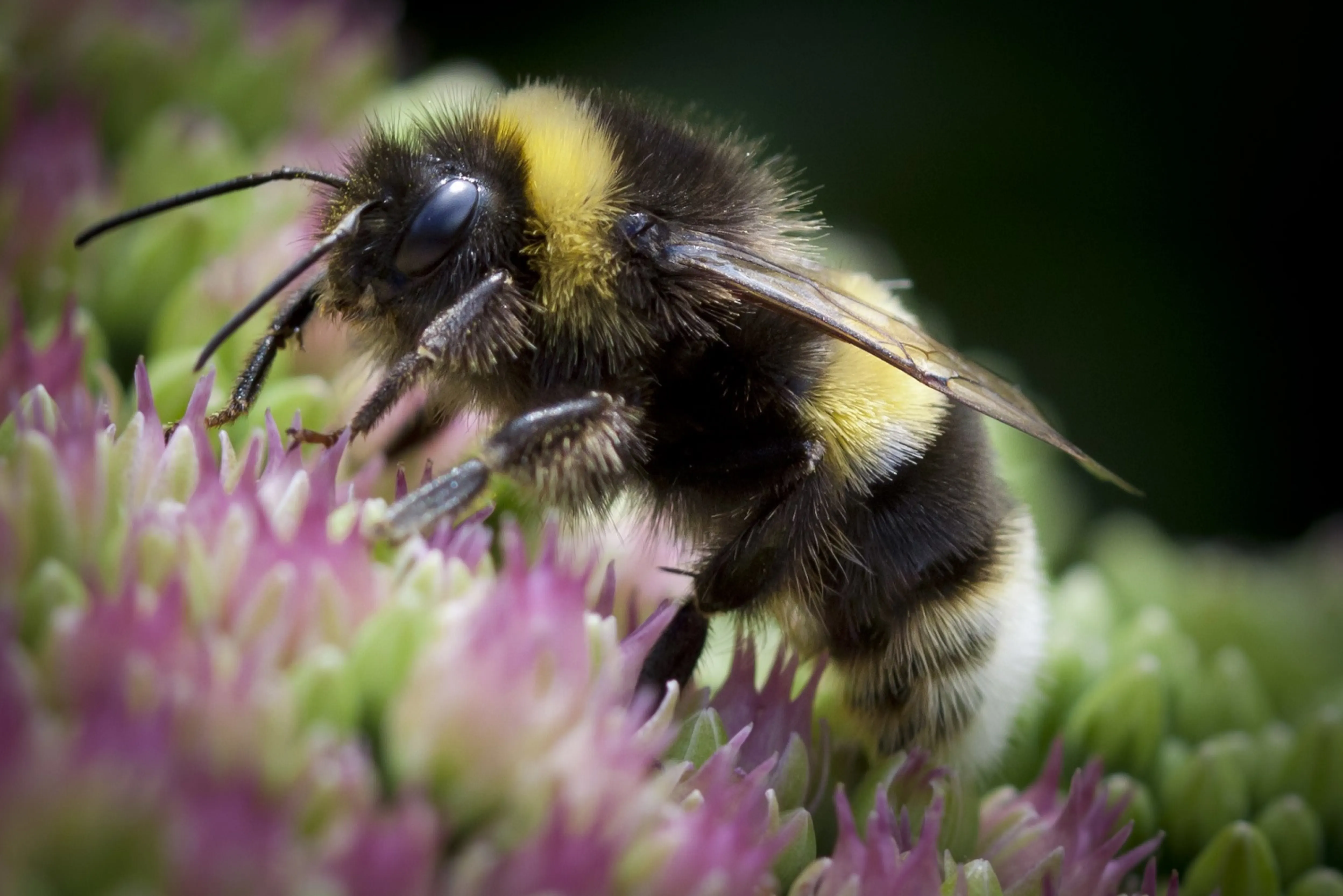
Aspetuck Land Trust in Westport, Connecticut, is hosting a “lunch & learn” session to teach residents how to grow pollinator gardens when space is limited. For those that run out of planting room, or simply don’t have any in-ground garden at all, it’s still possible to plant for pollinators, and the land trust will help attendees discover the best choices of pollinator-friendly native plants that can grow in containers and the important pollinators they will support.
It comes after Pollinator Week, but you can join the Land Trust for Tennessee and learn about bees and local honey at the land trust’s Glen Leven Farm from their resident beekeeper.
To find a land trust near you and see if there are Pollinator Week activities going on in your neck of the woods, visit our Find a Land Trust tool, go to your local land trust’s website and check out their upcoming events.