In the world of conservation, Laura Johnson continues to lead the way
Laura Johnson has been a steadfast presence in the field of land conservation for more than 40 years.
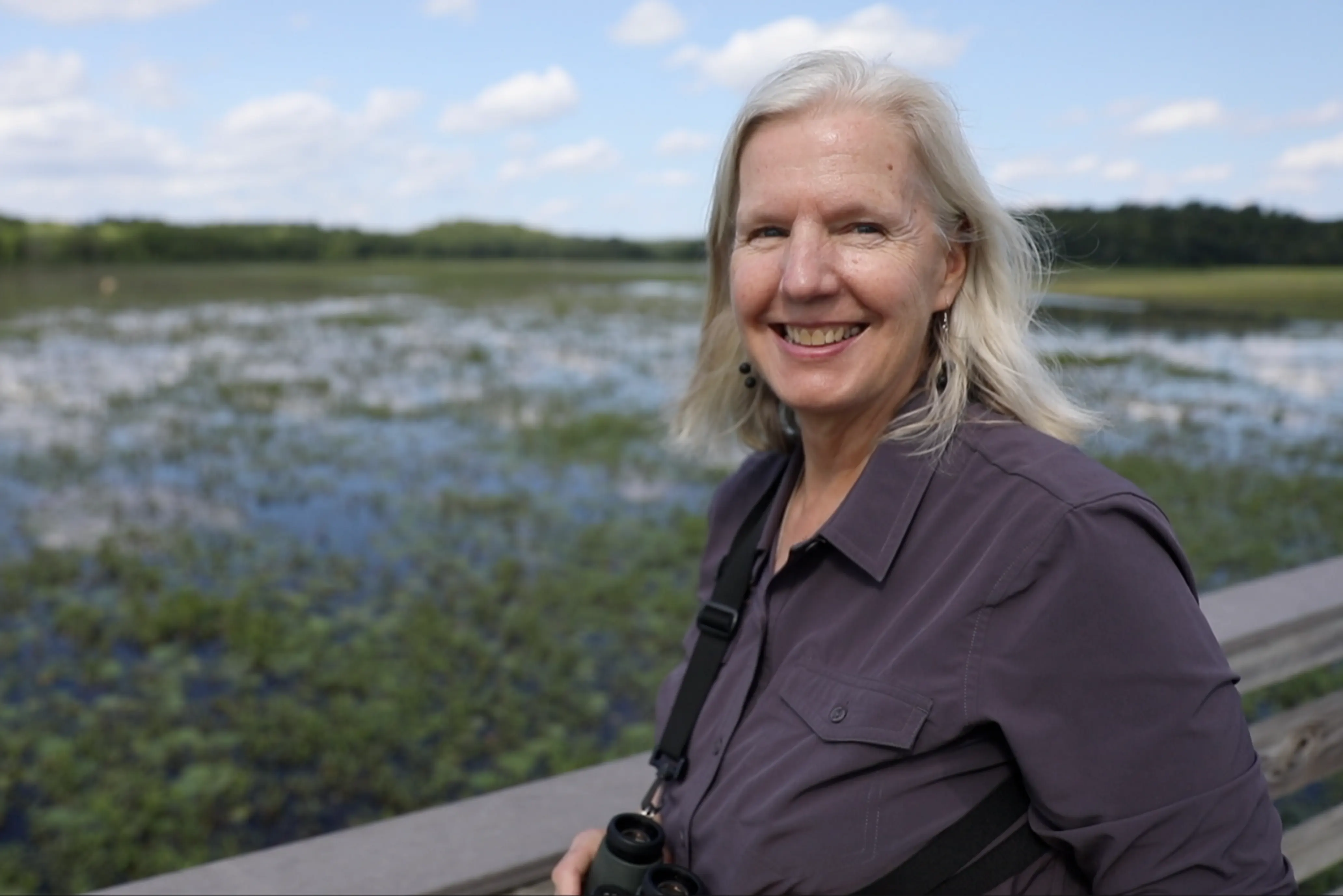
Laura Johnson received the 2023 Kingsbury Browne Conservation Leadership Award for her steadfast presence in land conservation throughout the past 40 years. The former president of Mass Audubon, co-founder of the International Land Conservation Network and chair of the Land Trust Alliance’s board of directors, Laura has been a true conservation leader.
Darci Palmquist: What sparked your love of the outdoors and interest in conservation as a career?
Laura Johnson: Growing up in New England, I roamed around the woods a lot as a child. I was also very lucky that my parents sent me to camp, both in New Hampshire and then in Colorado, when I was a little older. Going to camp in Colorado when I was a teenager had a huge impact on me — it’s where I experienced the mountains and the backcountry for the first time. I think that’s when I fell in love with nature.
Much later I decided to go to law school and have a career in environmental law. I feel incredibly lucky to have had the choices I had.
DP: Is there a particular place or project you’ve worked on that holds special meaning for you?
LJ: Can I say I’ve loved them all? I’ve always enjoyed the risky, complicated projects that are so satisfying when they come together. But a place I love a lot is in southeastern Massachusetts called Allens Pond — a large coastal plain pond ecosystem on Buzzards Bay. It’s a project that has required multiple partners, multiple transactions and lots of persistence over many years. It’s also really beautiful and truly one of my “happy” places.
DP: What has working at local, state, national and international levels taught you about the field of conservation?
LJ: I’ve learned that land conservation people tend to be amazing no matter what language they speak! I have been so privileged to work with great people from all over the world, and certainly here in the U.S. And while every organization and geographic area has unique issues and challenges, there are also remarkable similarities — and we share a tremendous sense of urgency in the face of climate change. We all know we need to do more, better, faster.
DP: What do you see as the most important skills for a leader in our field?
LJ: Leading a nonprofit is very challenging in general, and leading a land conservation organization is even more of a challenge — you don’t have a built-in constituency like a school or a religious organization might have. You have to make the case for your mission every day to supporters, community leaders, friends and foes alike. The challenges in front of us now are far too complicated for any one person to have the answers or all the skills for the implementation of solutions. The most important attributes for a leader are the ability to articulate a vision, a willingness to listen, and the ability to put together a strong team and then inspire and support them to accomplish great things.
DP: Conservation has transformed dramatically during your career. What gives you hope as you look toward this new future of land conservation?
LJ: What gives me hope is the passion, persistence, knowledge, creativity and urgency that people are bringing to the table today.