Latino Conservation Week events highlight conservation and access to the outdoors
Latino Conservation Week is hosting events across the country Sept. 14 through 22.
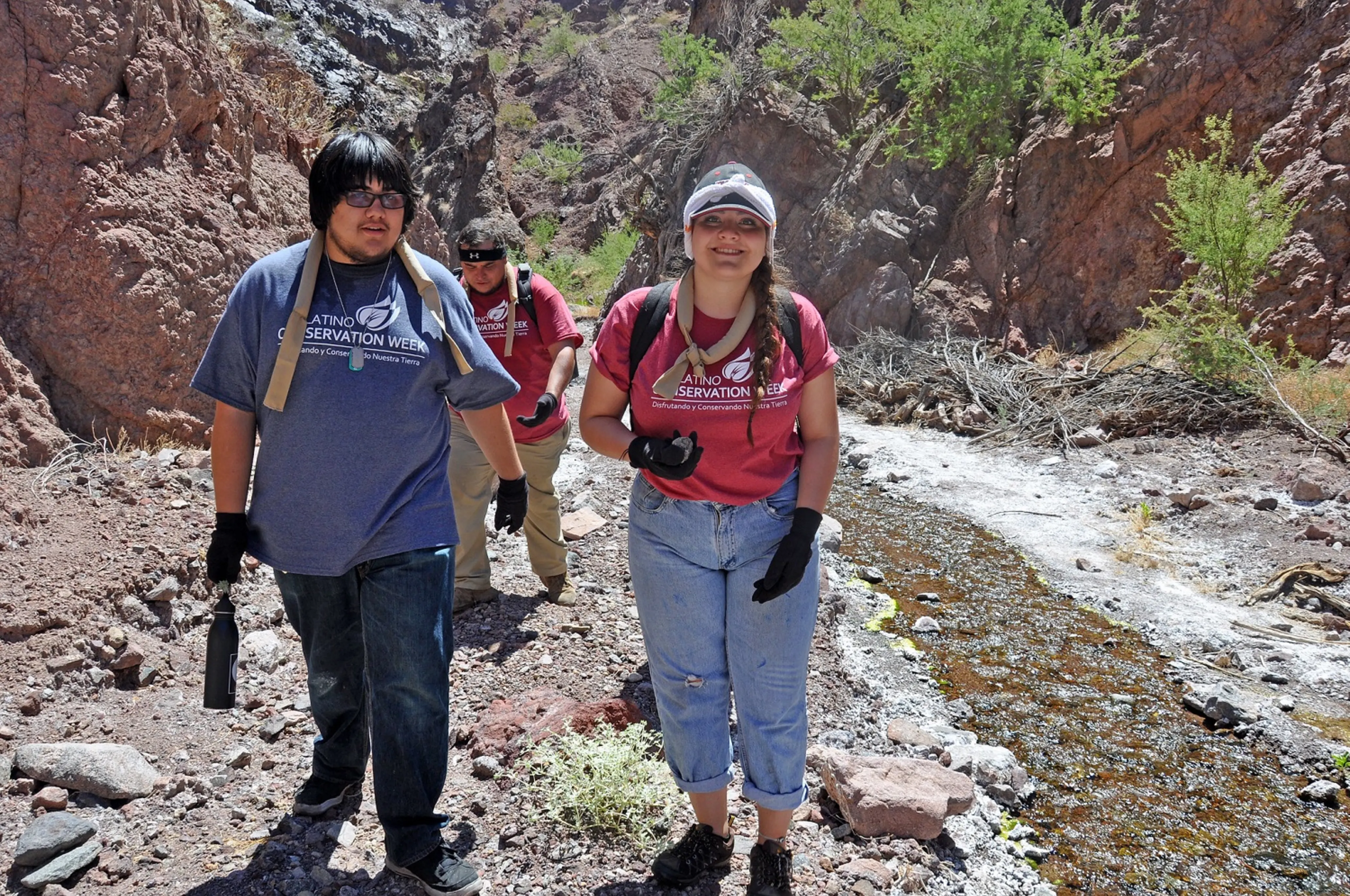
Latino communities across the United States are experiencing disproportionate health and economic impacts of poor air quality, extreme heat and aridification, wildfires, drought and other severe effects of the climate crisis. Recognizing the need to elevate these realities on a national scale, the Hispanic Access Foundation began Latino Conservation Week in 2013 to “support the Latino community getting into the outdoors and participating in activities to protect our natural resources.” Events are geared toward providing Latino families and kids with nearby outdoor recreation opportunities, supporting both local and national conservation issues, and informing policymakers and the public of the Latino community’s views on important local and national conservation issues.
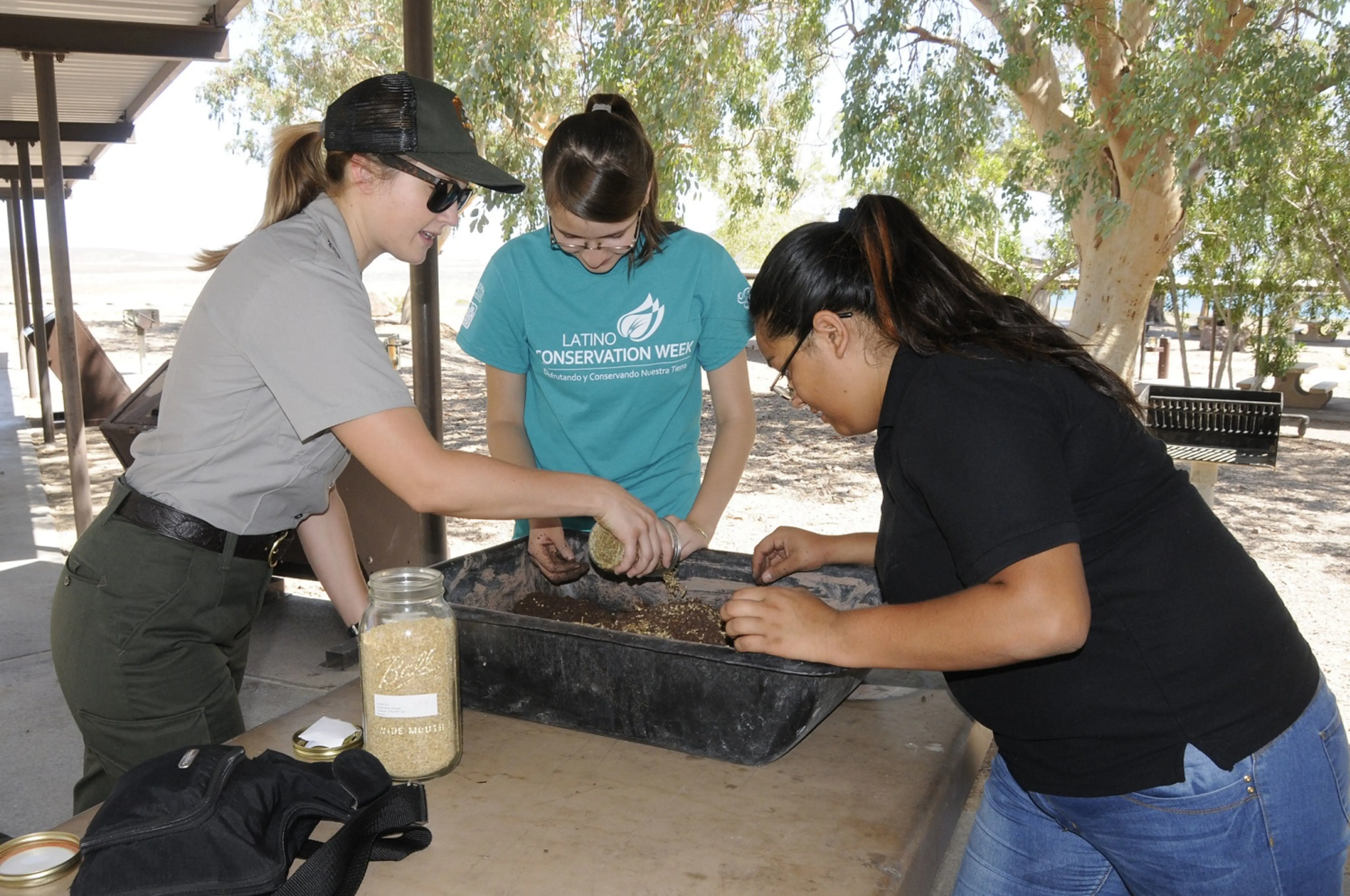
In 2023, the Hispanic Access Foundation released a comprehensive toolkit titled “2023 Environmental Policy Update: Impacts and Solutions for Latino Communities,” which serves as an exclamation point on why Latino Conservation Week is so important. The numbers are stark — for example, Latinos and other communities of color in the U.S. are three times as likely to live somewhere that is “nature deprived” than white communities, and the result is that Latino adults have the highest frequency of physical inactivity in the country, followed by non-Hispanic Blacks. At the same time, Latino participation in outdoor recreation is growing, and new outdoor participants are more likely to be non-white. That makes engaging and welcoming Latino communities crucial to the future of land conservation.
This year, the Association of Outdoor Recreation and Education welcomed Jessica Godinez, the manager of Latino Conservation Week for the Hispanic Access Foundation, to its Advancing the Outdoor Professional podcast for an episode focused on how organizations and individuals can get involved. Listen to the podcast below, or you can find AORE’s original post here.
Description:
If you are interested in learning more about Latino Conservation week and how you can get involved, listen in as guest Jessica Godinez from the Hispanic Access Foundation shares with Candace Brendler how you can host an event.
Latino Conservation Week is a national initiative hosted by Hispanic Access Foundation to celebrate the Latino community's presence in the outdoors and promote access to public lands and outdoor recreation. LCW started in 2014 and has grown significantly, with more than 300 events listed on the website last year. The events vary in nature, from camping trips and hikes to webinars and film screenings. LCW is community-driven, with events hosted by a mix of conservation nonprofits, community leaders and volunteers. The focus of LCW is on access and equity, highlighting the importance of diverse representation in the conservation space.
Meet Jessica Godinez:
Latino Conservation Week Program Manager, Hispanic Access Foundation
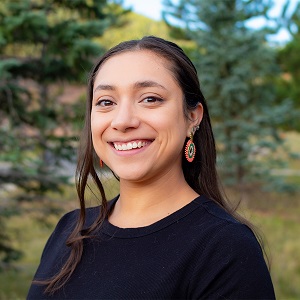
As a first-generation Mexican American, Jessica feels naturally drawn to support immigrant communities in navigating the systems of a new country while striving for social equity. Jessica's family lived near Richmond, Virginia, for several years before moving to rural Montpelier, Virginia. There, Jessica's love for nature continued to grow as did the gardens around her family home.
Prior to joining the Hispanic Access team, Jessica nourished her love of the outdoors with a job at REI and worked toward social equity by partnering with local nonprofits serving the needs of immigrants. Projects she worked on included an initiative to provide interpreting services and a family literacy program. Most recently, Jessica worked with the U.S. Forest Service in Colorado through a rigorous internship program during which she engaged with partners to provide opportunities for underrepresented communities to enjoy and steward public lands. She is passionate about reconnecting communities with their innate relationship with nature.
She graduated from George Mason University with a bachelor's degree in global affairs with concentrations in environment and international development.
The views, thoughts and opinions expressed in this blog are the author's own and do not necessarily reflect the views of the Land Trust Alliance, its staff, its board of directors or any other individuals associated with the organization.