Conservation for the now...and the future
Managing land, restoring habitats, monitoring conservation easements, controlling invasive species, adapting to climate change, forming partnerships and building trails are all part of protecting land for generations to come.
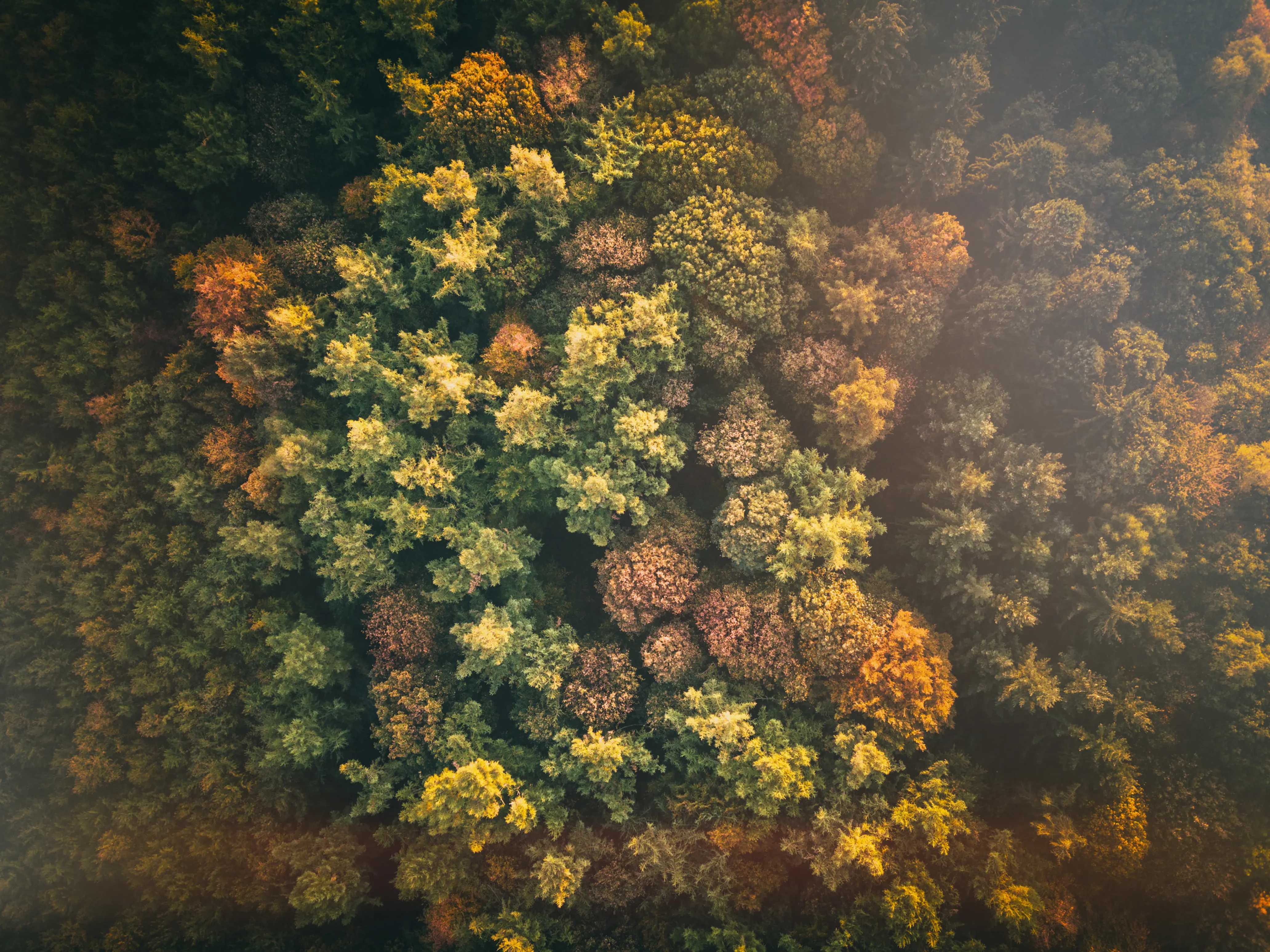
I recently came across a quote from Don Falk, scientist at the Laboratory of Tree-Ring Research, University of Arizona, that I can’t stop thinking about.
“Restoration uses the past not as a goal but as a reference point for the future. If we seek to recreate the temperate forests, tall grass savannas, or desert communities of centuries past, it is not to turn back the evolutionary clock but to set it ticking again.”
In much the same way, the land trust community has shifted how it defines “protecting” land. When I began my career, protecting land meant acquiring the fee title or a conservation easement. I heard all too often, “We’ll figure out what to do with it later, but at least now it is protected.”
But over the years the meaning of “protecting” has shifted toward the future. Managing land, restoring habitats, monitoring conservation easements, controlling invasive species, adapting to climate change, forming partnerships and building trails are all part of protecting land for generations to come. So is helping to educate children and adults and creating inviting spaces so people feel welcome in and appreciate nature.
We see this in Michigan, where the accredited Southwest Michigan Land Conservancy is working to improve forest health and address future climate impacts simultaneously through assisted tree migration. By mixing in native trees with those found further south, the conservancy is helping prepare forests for a warmer tomorrow.
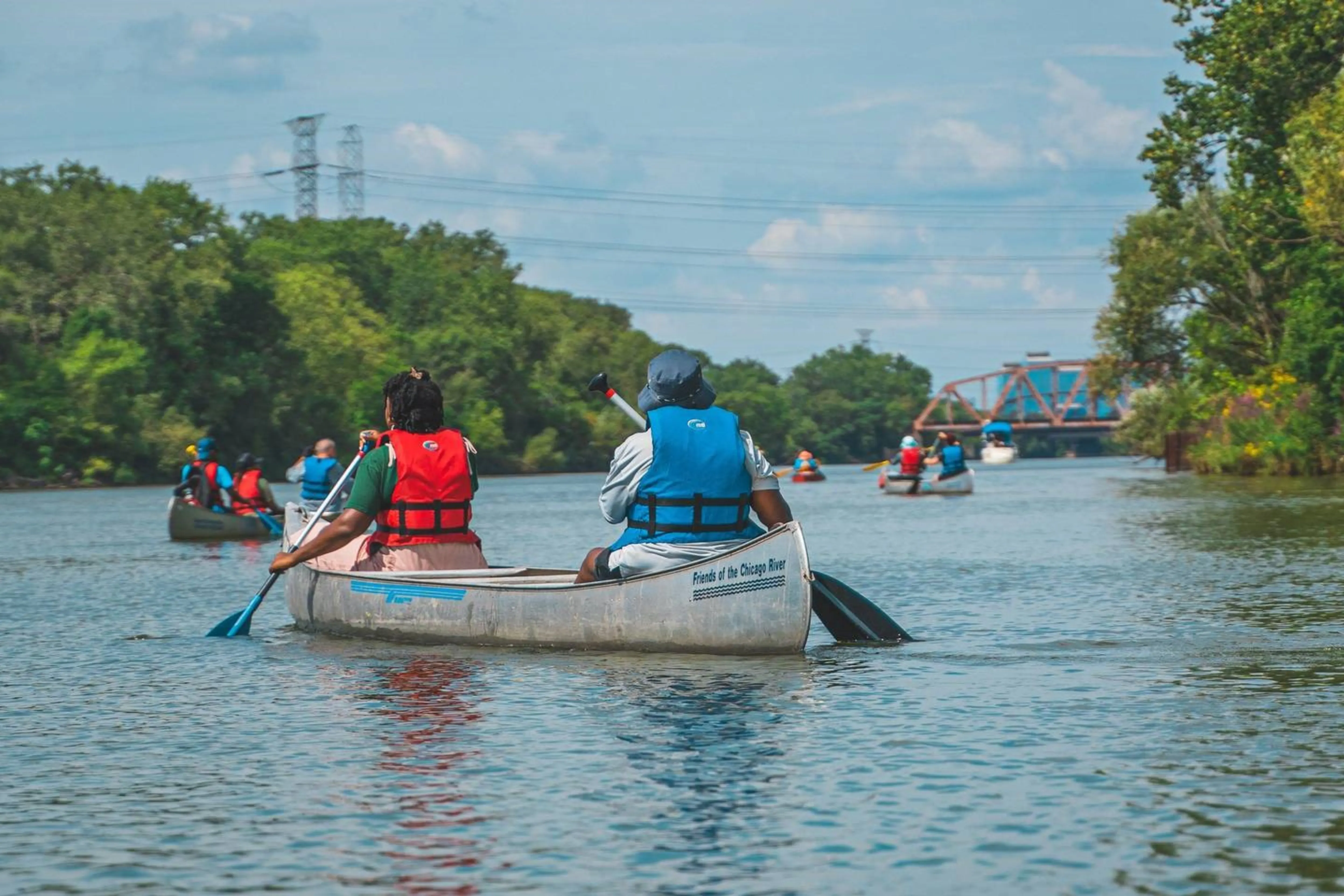
In Illinois, the accredited Openlands is using nature and the outdoors to teach local youth about history through the Friends of the Forest Preserves internship program. The kids get to paddle the African American Heritage Water Trail that flows through South Side Chicago neighborhoods and learn 180 years of African American history in the process, including experiencing Ton Farm that served as a stop on the Underground Railroad.
The 2023 City Nature Challenge was a global urban biodiversity event crafted for people to find and document wild plants, animals and fungi in their cities, and the Heartland Conservation Alliance in Missouri encouraged folks in the greater Kansas City metro area to do just that during a celebration at its Heartland Overlook Preserve. People learned from Heartland’s outdoor experts during guided hikes, took photos and uploaded observations to iNaturalist in a truly citizen science event.
“Nature isn’t only in our national parks or somewhere far away, it’s right in our own backyards and in our communities,” said Logan Heley, executive director of Heartland Conservation Alliance. “Our organization and this event are all about reconnecting humans to nature because humans need nature.”
Across the Midwest and the country, land trusts are playing an important role in preserving and restoring key natural resources and landscapes and responding to biodiversity loss and climate impacts. And in many states — like Missouri and the Missouri Land Trust Coalition — independent land trusts come together to pursue the common goal of preserving and protecting our lands and waters for future generations.
We at the Land Trust Alliance, along with our member land trusts, will continue to change our definition of “protecting” as we learn more and as the world continues to change, and this is just as it should be.