Connecticut land trusts secure hundreds of acres as forever wild
2025 has seen a surge in land conservation efforts across Connecticut, with several land trusts already successfully protecting hundreds of acres of vital habitat.
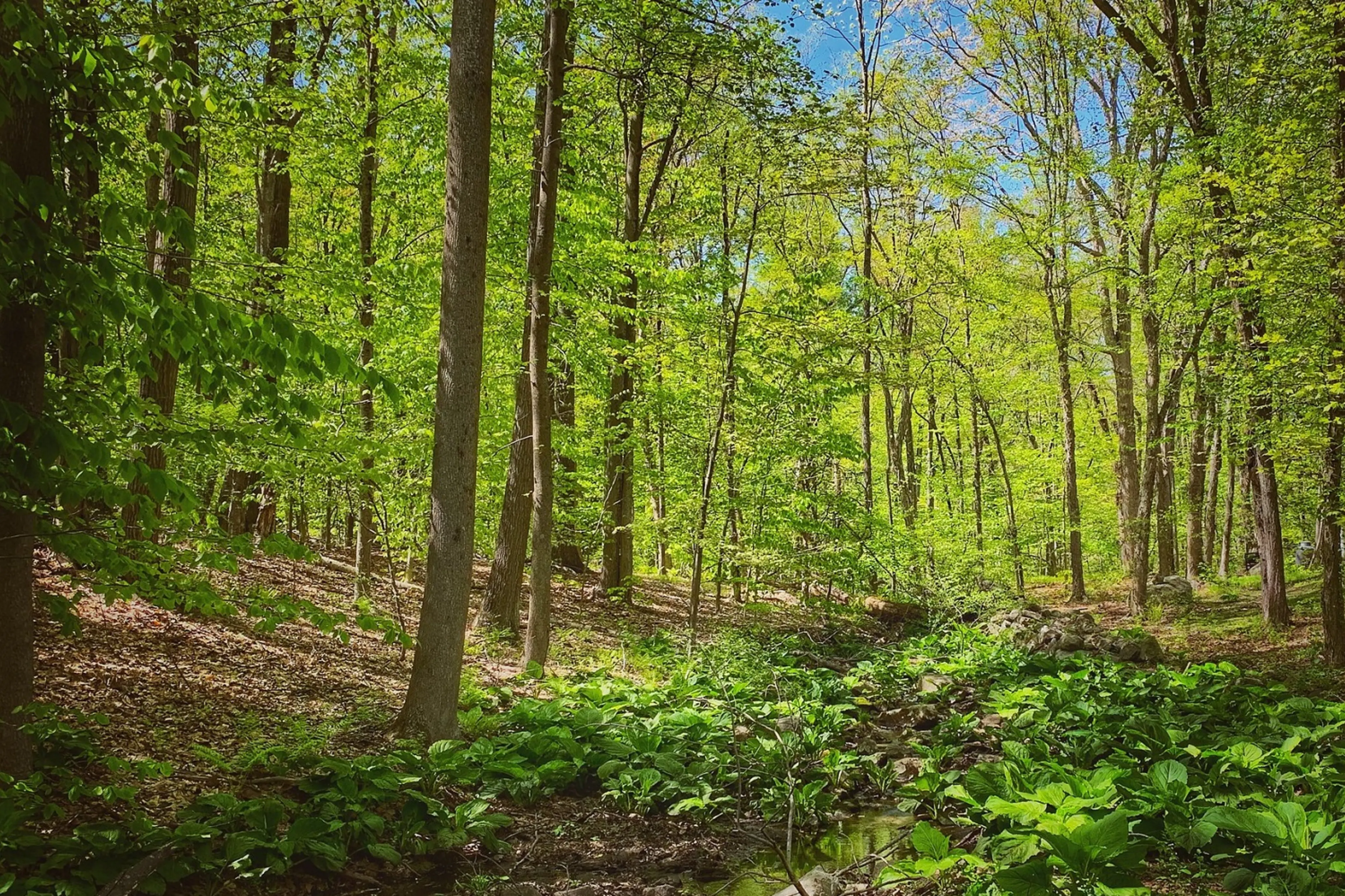
2025 has seen a surge in land conservation efforts across Connecticut, with several land trusts already successfully protecting hundreds of acres of vital habitat. These wins represent a significant step forward in preserving the state’s natural heritage for generations to come.
Cornwall Conservation Trust expands forever-wild holdings
In partnership with the Northeast Wilderness Trust, the Cornwall Conservation Trust has added two new forever-wild conservation easements to its portfolio, totaling more than 400 acres. These easements, covering the Cathedral Pines, Quarry Hill and Trinity Forest preserves, bring the land trust’s total forever-wild holdings to more than 800 acres.
The easements were made possible through Northeast Wilderness Trust’s Wildlands Partnership, a program that provides financial and technical assistance to local land trusts to designate land as forever wild. This approach prioritizes natural processes and minimizes human intervention in land management.
The Cathedral Pines Preserve, a 74-acre tract of old-growth forest, showcases the resilience of nature after a 1989 tornado. Rather than clearing the fallen trees, The Nature Conservancy, the previous owner, allowed the forest to recover naturally, resulting in a unique and valuable habitat.
The Trinity Forest Preserve encompasses a diverse landscape of forests, wetlands and waterways, providing habitat for a variety of species, including the northern saw-whet owl, a species of special concern in Connecticut.
Read more via Northeast Wilderness Trust.
Norfolk Land Trust and Northeast Wilderness Trust protect 600 acres
The Norfolk Land Trust and Northeast Wilderness Trust have partnered to permanently protect a 600-acre forest block in Norfolk through a forever-wild conservation easement.
This easement, known as the South Norfolk Wildlands, safeguards habitat for rare species and expands Litchfield County’s forever-wild acreage.
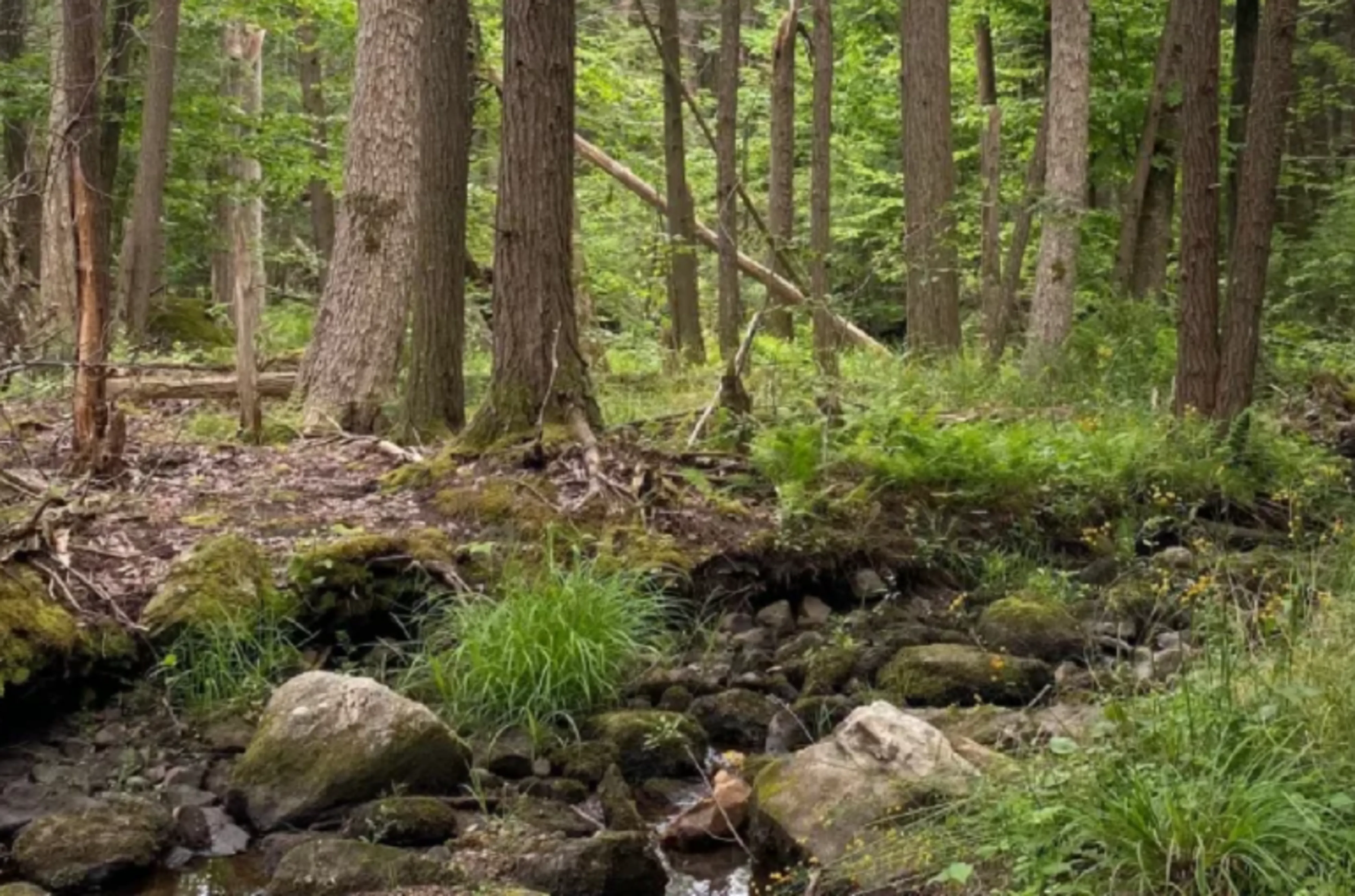
The South Norfolk Wildlands features mature upland forests, including key habitats designated by the state, as well as wetlands and streams that feed into the Naugatuck River.
The property’s proximity to Dennis Hill State Park and the Great Mountain Forest creates a vital corridor of conserved lands, promoting landscape connectivity and species movement.
Read more via Northeast Wilderness Trust.
Haddam Land Trust celebrates 60th anniversary with major conservation easement
The Haddam Land Trust marked its 60th anniversary with the acquisition of a conservation easement on more than 425 acres of forested land. This “keystone” property, known as the Gilkinson Easement, connects sections of Cockaponset State Forest and other conserved lands, creating a crucial unfragmented forest block. This type of habitat is essential for supporting biodiversity and providing a haven for wildlife.
The easement was donated to Haddam Land Trust, and the donor also provided a stipend for ongoing management. This generous contribution will be used to establish the Haddam Land Trust Stewardship Fund, a self-sustaining endowment that will ensure the permanent protection of this and other Haddam Land Trust properties.
This acquisition marks a significant milestone for the land trust, effectively doubling its protected lands since 2016. The Gilkinson Easement will be managed as “Wilderness” under the guidelines of the National Wilderness Preservation System. Please note that Haddam Land Trust does not own this land, and it is not open to the public.
The importance of forever-wild conservation
These conservation efforts demonstrate a growing commitment to forever-wild conservation, an approach that allows natural processes to shape the land. This benefits biodiversity, provides climate resilience, and offers opportunities for research and education.
By partnering with organizations like Northeast Wilderness Trust, local land trusts can leverage resources and expertise to protect more land with minimal intervention. This approach recognizes the inherent value of wild places and their importance in a healthy and balanced ecosystem.
The recent successes of Connecticut land trusts in securing forever-wild easements serve as an inspiration for continued conservation efforts across the state and beyond.
This piece originally appeared on the Connecticut Land Conservation Council website.