Collaboration achieves marsh protection combined with resiliency win
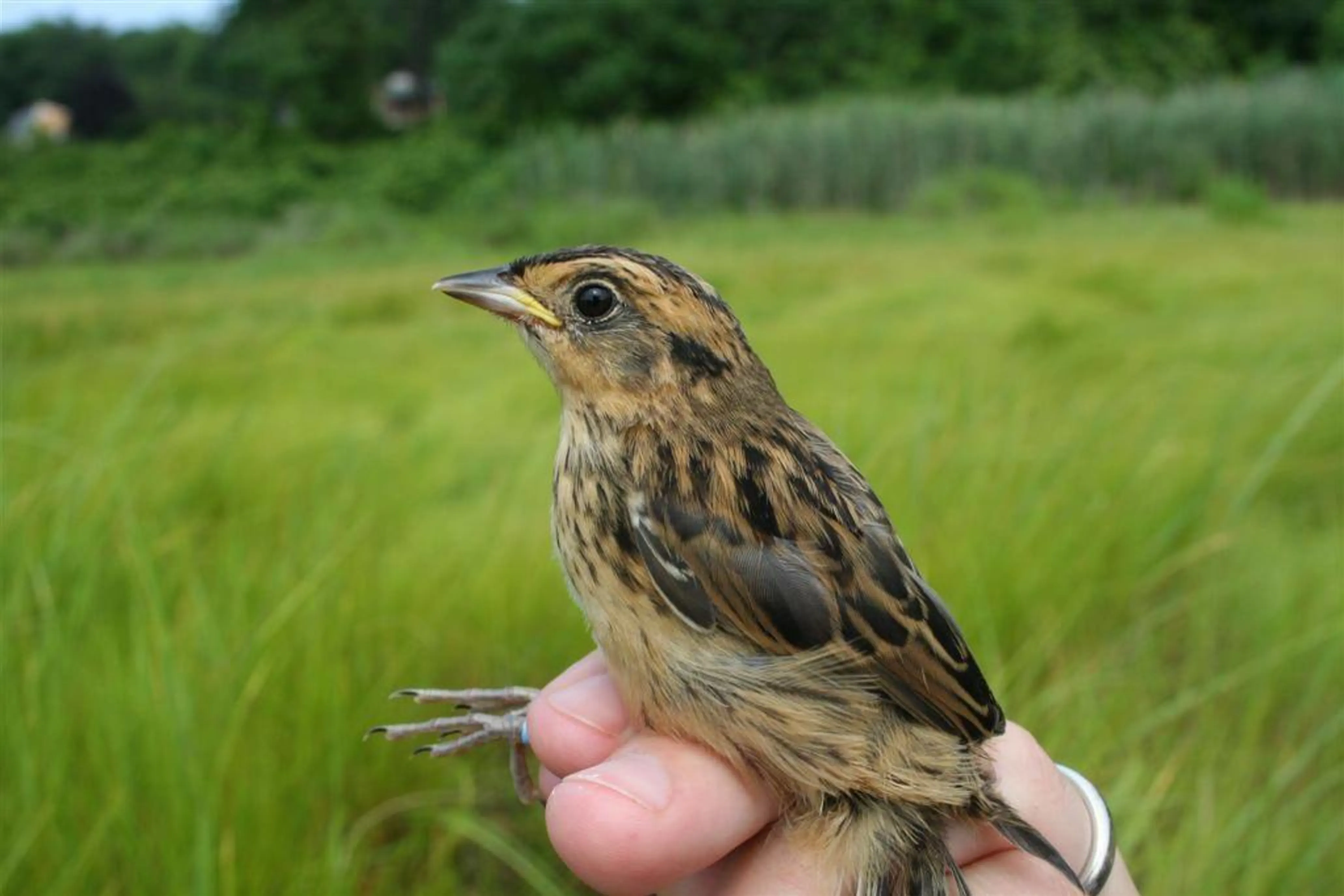
The newly protected land serves as habitat for the endangered saltmarsh sparrow, a species under increasing threat.
In a conservation victory, 47.5 acres of critical marsh habitat along the upper reaches of Maine’s Upper York River have been permanently protected, demonstrating the power of partnerships in addressing climate change. The effort led by U.S. Fish and Wildlife Service and two Maine land trusts — Maine Coast Heritage Trust and York Land Trust — preserves 1.3 miles of undeveloped river frontage.
The project is part of a far-reaching conservation initiative that includes habitat and marsh protection in one of Maine’s most rapidly developing areas, which also faces rising sea levels and more frequent storms associated with climate change. The newly protected land serves as habitat for the endangered saltmarsh sparrow, a species under increasing threat.
Marshlands are essential in mitigating the effects of climate change, providing a buffer against storm surges and flooding while allowing room for marsh migration as sea levels rise. Saltmarshes also play a key role in carbon sequestration, capturing atmospheric carbon dioxide and storing it within their soils.
The catalyst for the project was a private landowner who approached York Land Trust to see if there was interest in purchasing the parcel for conservation. The 47.5-acre parcel was added to the Rachel Carson National Wildlife Refuge earlier this year.
Amelia Nadilo, executive director of York Land Trust, called this effort a “climate win” in a portion of the state with high population density. York County is the second most populous county in Maine.
“While the acreage may seem modest, a project of this scope is becoming exceedingly rare in York County,” Nadilo said.
This story originally appeared in the Winter 2025 issue of Saving Land magazine.