Study reveals disparity in urban tree cover
In the United States, wealthier and whiter neighborhoods are more likely to enjoy the benefits of greenery and shade. Low-income blocks in 92% of America’s urban communities have less tree cover and are hotter, according to a recent analysis by Robert McDonald of The Nature Conservancy and colleagues.
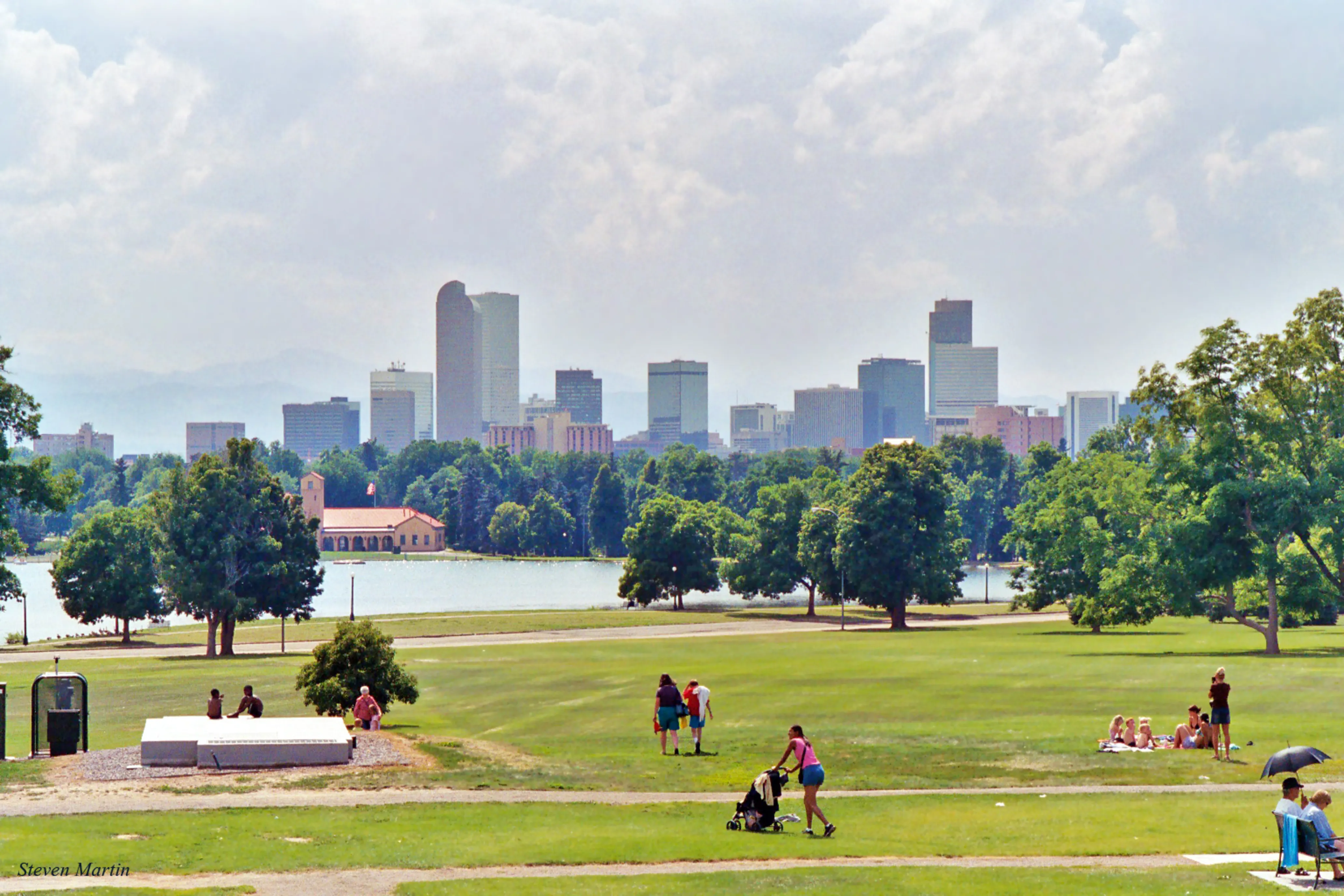
Trees are linked to a host of social benefits, including reduced air pollution and improved mental health. However, urban tree cover is often unequally distributed. The analysis used digital images from the National Agriculture Imagery Program to examine tree cover in the 100 largest U.S. urban areas. It also used Landsat imagery to analyze summertime temperatures.
Low-income blocks had 15.2% less tree cover on average and were hotter by an average 1.5 degrees Centigrade. The Northeast showed the greatest disparity, with low-income blocks in some urban areas having 30% less tree cover while being 4 degrees Centigrade hotter. Blocks with a greater proportion of people of color had less tree cover and hotter summer temperatures. The link between race and urban tree canopy held up even after accounting for other factors. Researchers estimate the disparity could be addressed by a $17.6 billion investment in tree planting and natural regeneration.
View the report here. In addition, American Forests maintains an online Tree Equity Score tool that makes it easy to evaluate how a community fares and whether there are enough trees for everyone.